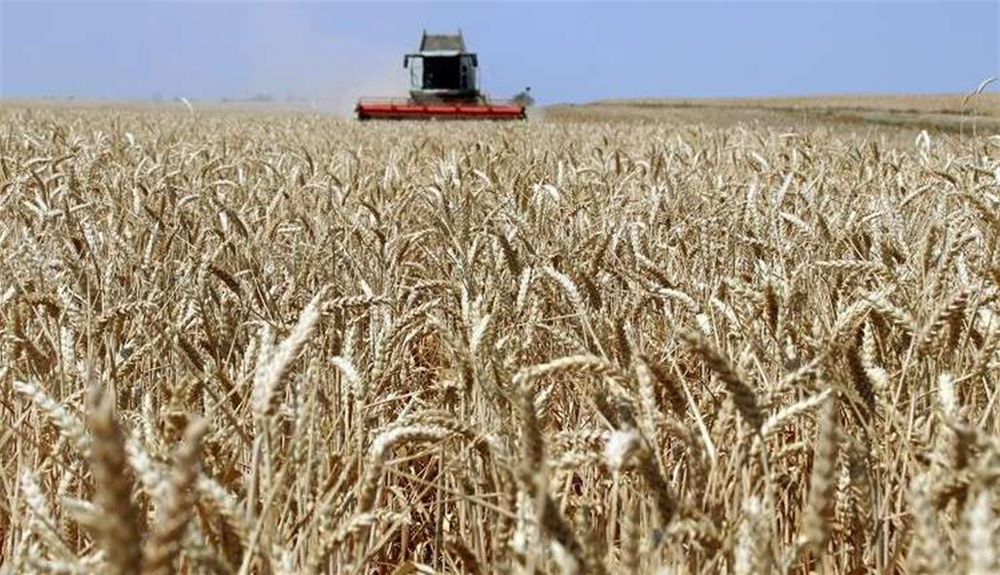
Iraq’s food security strategy is shaping national decisions as demand for local wheat rises across the region. On Sunday, the Ministry of Trade confirmed that several neighboring countries had requested to import Iraqi wheat. However, officials emphasized that Iraq’s food security strategy remains the top priority.
Although regional interest highlights the strong quality of Iraq’s wheat harvest, the government continues to focus inward. Officials aim to secure the domestic supply before considering any exports. Therefore, authorities are carefully managing production and pricing policies.
Haider al-Karawi, Director General of the Grain Trade Company, clarified the government’s approach. He explained that Iraq’s food security strategy requires prioritizing local consumption over international trade. Moreover, current global prices do not support profitable exports.
The government currently purchases wheat from local farmers at 850,000 Iraqi dinars per ton. In contrast, global market prices stand near 200 dollars per ton. As a result, exporting wheat under current conditions would lead to financial losses.
At the same time, countries like Syria and Iran have shown clear interest in buying Iraqi wheat. Nevertheless, officials insist that any export decision must follow strict conditions. Specifically, the cabinet must approve exports and ensure prices exceed 400,000 dinars per ton.
Meanwhile, the government continues to support national food programs. One key initiative includes the Zero Flour project, which focuses on supplying high-quality flour to Iraqi consumers. This effort strengthens food availability and stabilizes local markets.
Additionally, Iraq’s strategy has helped protect its citizens from regional price shocks. Flour prices remain stable at 15,000 dinars per bag due to strong policy measures. Without these protections, prices could have surged to 55,000 dinars, as seen in nearby countries.
Ultimately, Iraq’s food security strategy continues to guide economic and agricultural decisions. Officials remain committed to maintaining a stable food supply while monitoring future export opportunities.