Pollution, climate change, and habitat destruction now threaten 134 wildlife and aquatic species across Iraq. Environmental decline also threatens food supplies, fishing communities, rural jobs, and wider economic stability. Moreover, rising temperatures continue to place pressure on already fragile ecosystems. Experts warn that further damage could create permanent losses.
The Strategic Center for Human Rights highlighted the growing danger in a recent environmental assessment. The center linked biodiversity decline to drought, desertification, pollution, and shrinking river flows. Meanwhile, illegal hunting continues to target rare animals and migratory birds. Together, these threats place Iraq’s natural heritage under severe pressure.
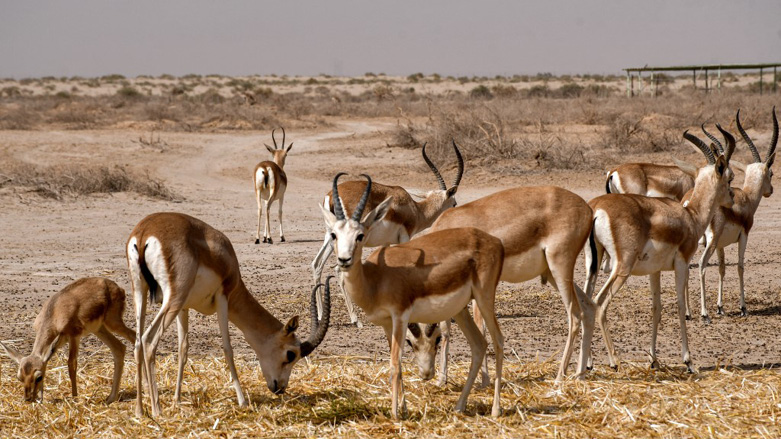
The Iraq Wildlife Crisis affects mammals across mountains, deserts, forests, and wetlands. The center lists goitered gazelles, mountain ibexes, Iraqi wolves, and striped hyenas. Sand foxes, wildcats, and marsh otters also face growing habitat pressures. These animals need protected areas, reliable water, and safe breeding grounds.
Several rare bird species face similar dangers. The affected birds include Asian houbaras, northern bald ibises, and white-headed ducks. Egyptian vultures and imperial eagles also struggle against habitat loss and illegal hunting. Furthermore, changing temperatures can disrupt migration, breeding, and feeding patterns.
Millions of migratory birds depend on Iraq’s southern wetlands during their seasonal journeys. These wetlands provide food, shelter, and important resting areas. However, drought and declining river flows continue to shrink their natural habitats. Consequently, many birds may struggle to complete their migrations safely.
The southern wetlands also hold UNESCO World Heritage status. They support wildlife, fishing communities, livestock, and traditional ways of life. Nevertheless, falling water levels continue to damage vegetation and aquatic habitats. Increasing salinity also creates difficult conditions for fish and freshwater species.
Native fish populations face growing pressure from pollution and water shortages. Lower river flows reduce oxygen levels and concentrate harmful pollutants. Additionally, extreme heat can raise water temperatures beyond safe levels. These changes can damage breeding areas and reduce fish numbers.
Freshwater turtles also face habitat decline across Iraq. Shrinking rivers and wetlands reduce their feeding and nesting areas. Meanwhile, pollution can harm eggs, young turtles, and adult populations. Illegal capture creates another threat for vulnerable freshwater species.
Iraq’s water crisis drives much of the environmental decline. Reduced rainfall has weakened rivers, lakes, marshes, and agricultural land. Moreover, declining Tigris and Euphrates flows leave communities with fewer water resources. These conditions accelerate desertification and destroy important wildlife habitats.
Rising temperatures add further pressure to Iraq’s ecosystems. Longer heatwaves dry the soil and increase water evaporation. Therefore, plants struggle to survive across grazing areas and wetlands. Animals then lose food sources, shade, and suitable breeding locations.
Desertification also forces wildlife into smaller areas. This movement increases competition for food and water. Furthermore, animals may approach farms and villages while searching for resources. Such encounters can create conflict between wildlife and local communities.
Biodiversity loss also threatens Iraq’s food security. Rural families depend on healthy land, water, livestock, and fisheries. When ecosystems decline, farmers and fishers lose important sources of income. Consequently, environmental damage can deepen poverty and encourage migration toward cities.
The Iraq Wildlife Crisis also creates wider economic risks. Declining fisheries can raise food prices and reduce local supplies. Damaged grazing land increases costs for livestock owners. Meanwhile, wetland destruction removes opportunities for tourism and small businesses.
Illegal hunting remains another serious concern. Hunters often target rare animals without respecting conservation rules. They also kill migratory birds along important international routes. Therefore, stronger monitoring and penalties could help protect vulnerable populations.
The center urged authorities to expand Iraq’s protected areas. Larger reserves could give wildlife safer feeding and breeding grounds. However, officials must also provide trained staff and reliable funding. Protected areas cannot succeed without effective management and law enforcement.
Marsh restoration could also protect many aquatic and bird species. Authorities need to increase water flows and restore damaged vegetation. Additionally, pollution controls could improve water quality across rivers and wetlands. These steps would also support fishing communities and rural families.
Iraq must pursue stronger water agreements with neighboring countries. Greater river flows could support agriculture, drinking supplies, and natural ecosystems. Nevertheless, Iraq must also improve domestic water management. Efficient irrigation could reduce waste and protect more water for wetlands.
A national endangered species program could organize conservation efforts. Scientists could monitor animal numbers and identify the most urgent threats. Moreover, authorities could establish rescue, breeding, and habitat restoration projects. Schools could also teach students about wildlife protection.
Local communities must participate in every conservation program. Farmers, fishers, and tribal leaders understand nearby habitats and seasonal conditions. Their knowledge could help authorities identify illegal hunting and environmental damage. Financial support could also encourage communities to protect wildlife.
Ultimately, the Iraq Wildlife Crisis requires urgent government action. Stronger laws, restored wetlands, and improved water management could prevent further losses. Moreover, international cooperation could provide scientific knowledge and conservation funding. Without rapid action, Iraq may lose important species forever.