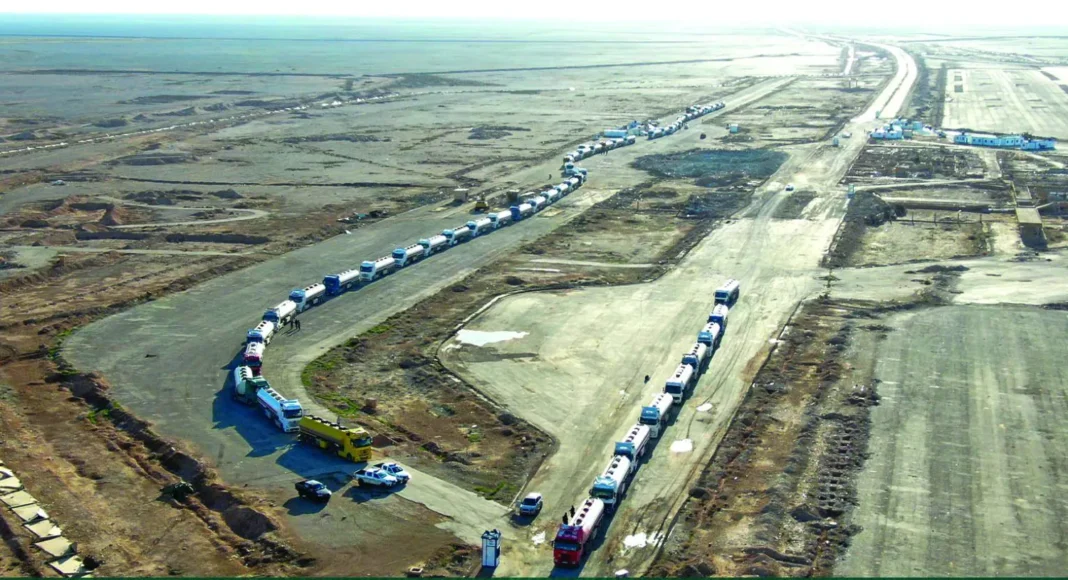
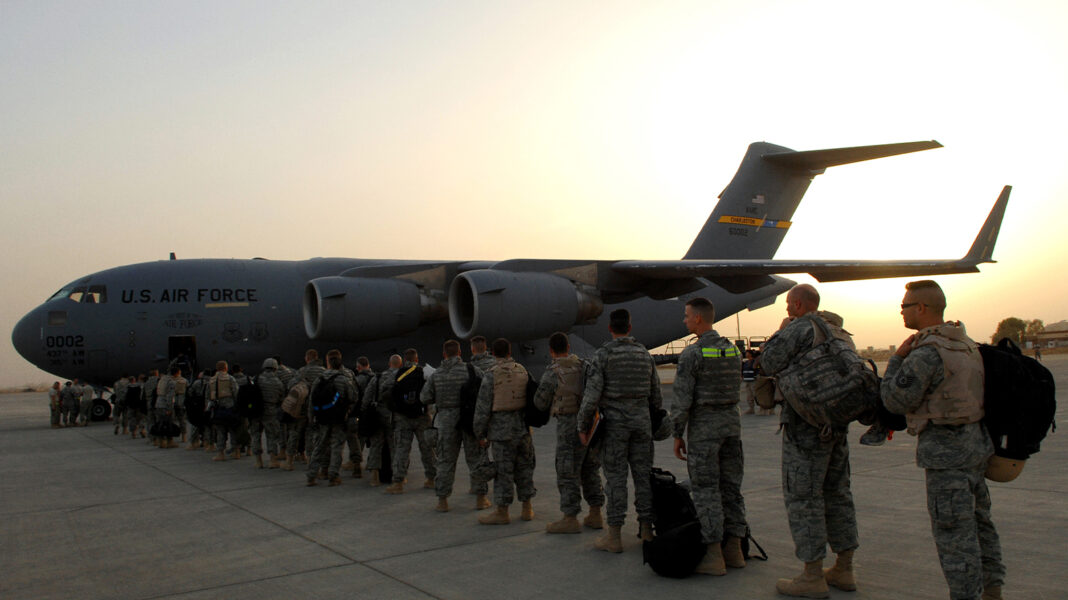
US troops leave Iraq by September 30 under an agreement between Washington and Baghdad, with the withdrawal covering remaining personnel, military equipment and defense systems, including those stationed in Erbil.
Qasim al-Araji, security adviser to Iraqi Prime Minister Ali al-Zaidi, said the withdrawal has already begun and will continue gradually. He added that the plan includes all remaining US defense systems across Iraq, marking another major step toward ending the international military mission in the country.
Meanwhile, Iraqi government spokesperson Haider al-Aboudi said Baghdad remains committed to ending the foreign military mission. He reiterated the government’s position during a recent press briefing, stressing that Iraq intends to follow through with the agreed timeline.
Prime Minister Ali al-Zaidi has described October 1, 2026, as a significant date for Iraq’s statehood. According to the prime minister, the country will enter a new phase of sovereignty once foreign troops leave its territory.
The international coalition’s military mission will officially expire on September 30. Al-Zaidi has called the decision final and irreversible, while emphasizing that Iraq will assume full responsibility for its security and territory.
Consequently, the withdrawal will mark a major change in Iraq’s relationship with the international coalition. Rather than maintaining a foreign military presence, Baghdad plans to develop direct cooperation with coalition member states in several areas.
These future ties will focus on security cooperation, economic relations and specialized military training. Iraqi officials say such engagement will continue according to mutual interests and respect for Iraq’s sovereignty.
The United States and its coalition partners first deployed forces to Iraq in 2014 after ISIS seized large areas of the country. The international coalition subsequently supported Iraqi forces with air support, training, intelligence and other military assistance during the campaign against the group.
Iraq declared victory over ISIS in 2017. However, coalition forces remained in the country at Baghdad’s request to provide training and support and to help Iraqi forces strengthen their capabilities.
Now, US troops leave Iraq by September 30 as Baghdad prepares to move away from the coalition’s military mission. The government has framed the transition as part of a broader effort to strengthen national sovereignty while maintaining security partnerships through non-combat cooperation.
The withdrawal will also affect US military infrastructure and defense systems that remain in Iraq, including equipment and systems located in the Kurdistan Region.
As the deadline approaches, Iraqi authorities are preparing for the next stage of security cooperation. US troops leave Iraq by September 30, while Baghdad seeks to replace the existing military framework with direct bilateral partnerships.
For Iraq, the end of the mission represents a significant shift from the post-ISIS security arrangement. For Washington and its coalition partners, meanwhile, future engagement will increasingly rely on diplomatic, economic and training relationships rather than a standing foreign military presence.
The transition is expected to formally begin a new chapter in Iraq’s security policy on October 1, when the government says the country will exercise full territorial sovereignty without foreign troops.