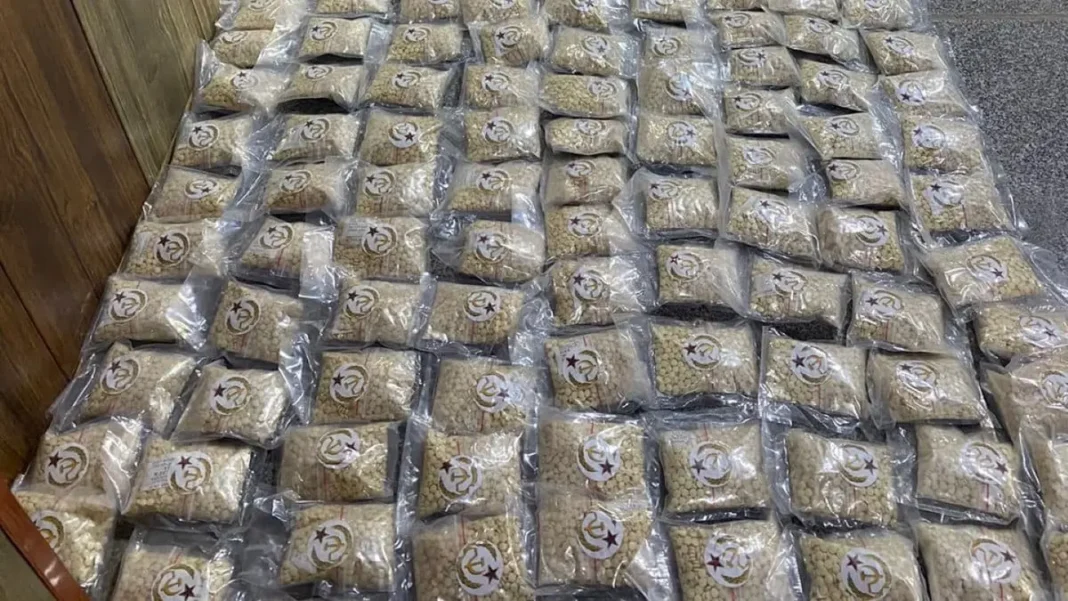
Iraq’s Interior Ministry seized more than 51 kilograms of Captagon pills in separate security operations. Officers also arrested two suspected drug traffickers during the raids. The Iraq Captagon seizure highlights Baghdad’s growing campaign against narcotics networks. It also shows stronger pressure on organized drug groups.
The ministry said specialized anti-drug units led the operations. These teams included special investigation officers and covert surveillance units. In addition, they tracked suspects before moving against them. Authorities said the raids formed part of a wider national effort.
Captagon trafficking has become a major concern across the region. The pills often move through organized networks and cross-border routes. Therefore, Iraqi security agencies have increased surveillance in several areas. They want to block smuggling before drugs reach local markets.
The Interior Ministry said officers targeted traffickers through intelligence-based operations. Investigators gathered information, monitored movements, and identified suspects. Then, security teams acted to seize the drugs and make arrests. This method aims to weaken networks before they expand.
The two suspects now face legal action under Iraq’s drug laws. Authorities will continue investigating their possible links to wider trafficking groups. Moreover, officers may use the case to identify suppliers and buyers. The ministry wants to reach the full network behind the shipment.
Iraq has intensified its fight against drug trafficking in recent years. Security agencies have warned that narcotics threaten young people and public safety. In addition, officials say drug profits can support wider criminal activity. As a result, Baghdad has treated the issue as a national security threat.
The ministry also reported major progress against trafficking networks. Iraqi authorities dismantled hundreds of drug groups during a recent enforcement period. Among them, officers identified dozens of international networks. These figures show the scale of the challenge facing security forces.
However, the problem remains difficult because traffickers adapt quickly. They change routes, hide shipments, and use secret communication channels. Therefore, Iraqi officers rely more on surveillance and intelligence work. This approach helps them follow networks before large shipments move.
The Iraq Captagon seizure may also support wider regional cooperation. Drug trafficking often crosses borders and connects several countries. Because of that, Iraq needs coordination with neighboring states. Stronger information sharing could help reduce smuggling routes.
Local communities also play an important role in the campaign. Families, schools, and community leaders can help prevent drug abuse. In addition, public awareness can make trafficking networks less effective. Security work alone cannot solve the problem without social support.
The latest operation sends a clear message from Baghdad. Authorities want traffickers to know that officers will pursue them. Furthermore, the ministry wants to reassure citizens about public safety. Each successful raid adds pressure on criminal networks.
Iraq will likely continue expanding anti-drug operations across the country. Security agencies want to seize more shipments and arrest more traffickers. The Iraq Captagon seizure now adds momentum to that campaign. It also places drug enforcement at the center of Iraq’s security agenda.