Iraq’s al-Hol returnees are nearing the end of a government-led rehabilitation process, with more than 20,000 Iraqi nationals now returned to their areas of origin, according to the Ministry of Migration and Displacement. The announcement comes as Baghdad works to complete the transfer and reintegration of Iraqis who previously lived in al-Hol camp in northeastern Syria.
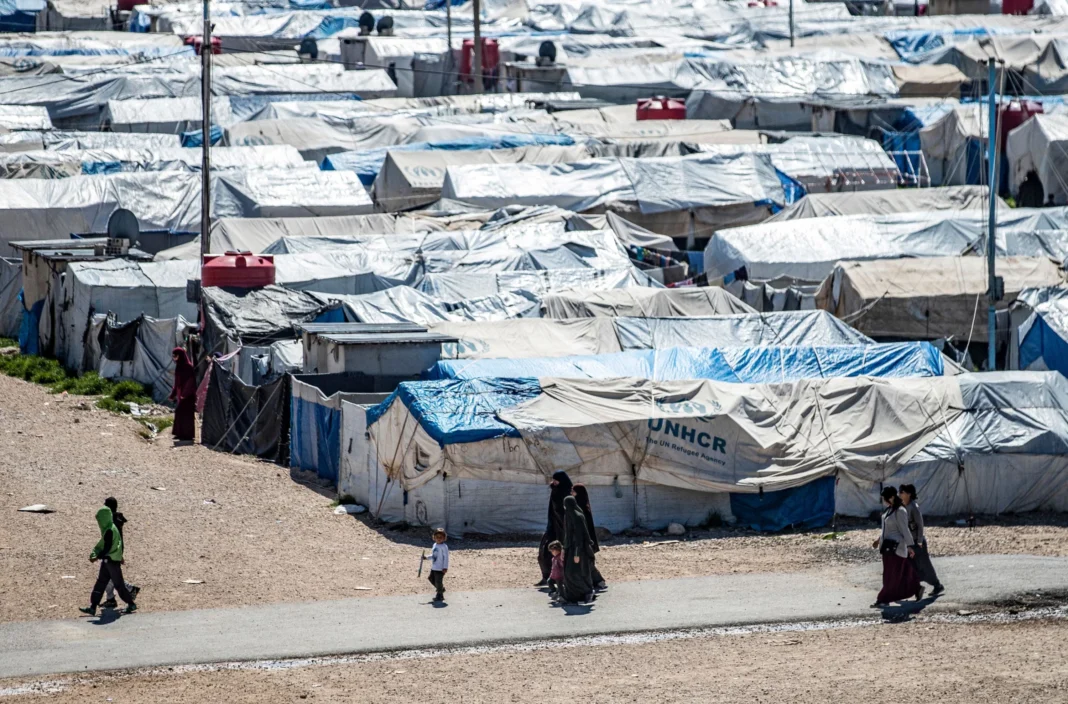
Al-Hol, located in Syria’s Hasaka province, held tens of thousands of people linked to Islamic State families and affiliates. Most residents came from Syria and Iraq. However, authorities have worked in recent years to reduce the camp’s population and return residents to their home countries.
Following their transfer from Syria, Iraqi nationals entered al-Jadaa camp south of Mosul. The Iraqi government operates the facility as a major center for rehabilitation and social reintegration. Authorities assess returnees and prepare them to resume life within their communities.
Deputy Minister of Migration and Displacement Karim al-Nouri said around 1,200 Iraqis remain at al-Jadaa camp. Meanwhile, more than 21,000 people have already returned to their areas of origin.
According to al-Nouri, authorities have not recorded security breaches in the areas where the returnees have resettled. He also said Iraq expects to close its remaining al-Hol-related file soon.
The development represents another step in Baghdad’s efforts to address the long-term consequences of the Islamic State conflict. Although Iraqi forces defeated the group’s territorial control in Iraq years ago, thousands of people connected to the organization remained in detention and displacement camps across Syria.
At the same time, Iraq and Syria recently agreed to establish judicial committees to address cases involving Syrian nationals previously held in al-Hol. Some of those individuals later transferred to Iraq earlier this year, creating a need for legal coordination between the two countries.
Furthermore, Iraq became increasingly involved in managing the security risks surrounding al-Hol after fighting between Syrian forces and Kurdish-led forces intensified in northeastern Syria in January. Baghdad sought to prevent Islamic State members from exploiting instability and potential security gaps during the clashes.
In February, Iraq also agreed to receive more than 5,700 Islamic State prisoners from Syria in coordination with the United States. The decision followed heightened instability in the region and reflected concerns that detention facilities could become vulnerable during wider security disruptions.
For Iraq, Iraq’s al-Hol returnees remain both a humanitarian and security priority. The government must therefore balance rehabilitation and reintegration with continued monitoring to prevent potential security threats.
As only about 1,200 Iraqis reportedly remain at al-Jadaa, Baghdad appears to be approaching the final stage of its return program. Nevertheless, authorities will continue facing challenges related to reintegration, community acceptance and long-term security.
With more than 21,000 people already returned, Iraq’s al-Hol returnees program marks a significant phase in the country’s broader efforts to address the aftermath of the Islamic State conflict and close one of its most complicated displacement files.