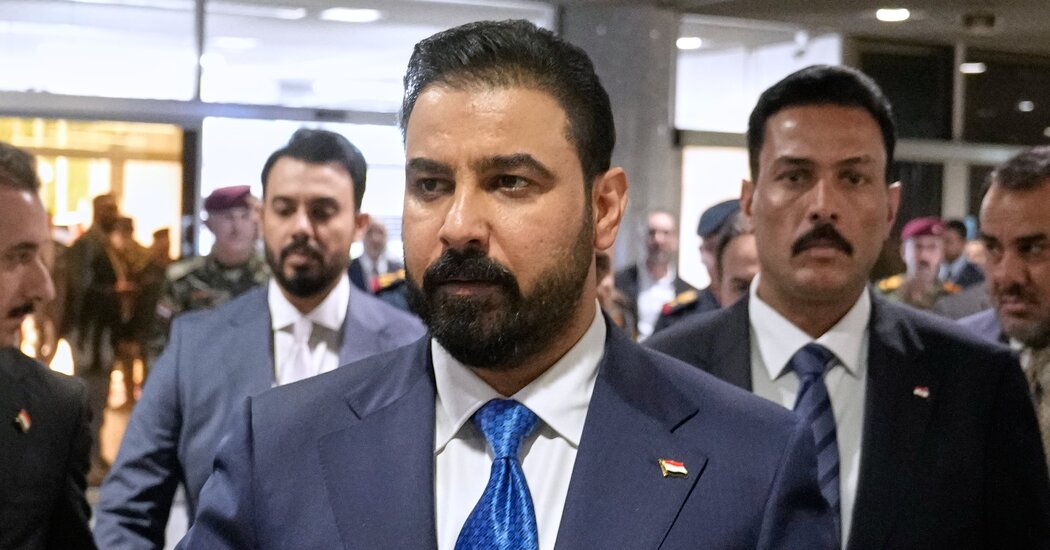
Iraq has strengthened financial checks after the United States restarted dollar banknote deliveries to Baghdad. The move follows new Iraqi promises to stop U.S. cash from reaching Iran. It also targets Iran-backed armed groups that could use cash networks. Iraq’s dollar controls now sit at the center of Baghdad’s banking reform push.
The United States holds Iraq’s oil income at the Federal Reserve Bank of New York. Then, Iraq receives physical dollars for banks, traders, and exchange markets. However, Washington halted several shipments during the regional conflict. As a result, Iraq’s cash-heavy economy faced stronger pressure and tighter liquidity.
Under the new understanding, Baghdad promised tougher rules for currency exchange firms. In addition, Iraqi regulators plan stronger checks across the banking system. They also want to block cash movement through salaries and informal channels. These steps aim to close gaps that smugglers and armed groups could exploit.
U.S. officials say Iraq must stop armed organizations from misusing banks. Therefore, Baghdad pledged extra safeguards before dollar deliveries restarted. Iraqi officials confirmed the return of dollar payments. However, they did not share the full terms with the public.
The delay created serious concern inside Iraq’s financial sector. Banks rely on steady dollar access to meet market demand. Meanwhile, exchange shops need dollars to support trade and daily transactions. When shipments slowed, pressure grew across the wider cash market.
Iraq’s dollar controls also carry political challenges for the government. Several armed groups hold deep influence in politics and security. Because of that, stronger oversight could face resistance. Still, Baghdad wants to show Washington that reform remains serious.
Prime Minister Ali Falih Al-Zaidi wants closer economic ties with the United States. Moreover, he wants to strengthen Iraq’s banking system and attract more confidence. His government sees financial reform as a way to protect the economy. It also wants to reduce illegal dollar flows across borders.
The Trump administration has urged Iraq to limit militia access to money channels. It has also pushed Baghdad to monitor cash flows more closely. In response, Iraq plans stronger control over exchange companies and financial transfers. These measures could reshape the country’s dollar market.
For many years, Iraq has depended on physical U.S. dollars. Most businesses still use cash for daily payments. Therefore, any disruption in dollar deliveries can affect banks, traders, and citizens. The latest deal helps restore liquidity, but it also increases pressure for reform.
Iraq now faces a difficult balancing act. On the one hand, it needs strong economic ties with Washington. On the other hand, it shares major trade and political links with Iran. Therefore, Baghdad must protect its financial system without creating wider instability.
Iraq’s dollar controls will likely remain a major issue in future talks with Washington. The government wants dollar access, banking stability, and stronger foreign confidence. Meanwhile, U.S. officials want tighter monitoring and fewer sanctions risks. If Baghdad enforces the rules, it could strengthen Iraq’s financial reputation.