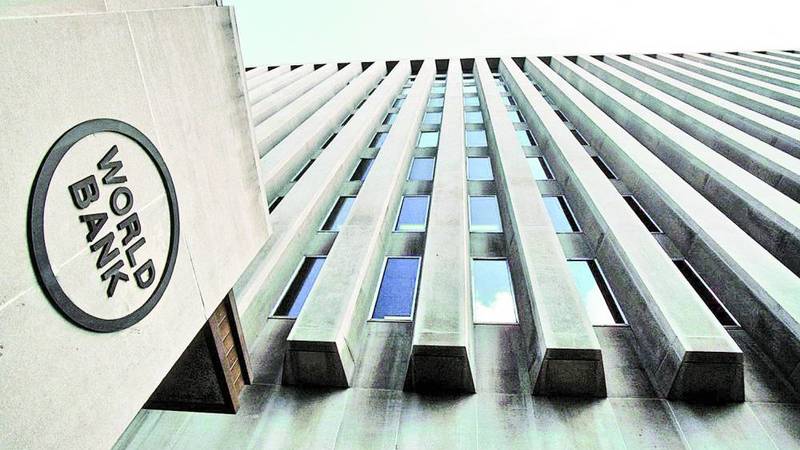
Iraq kept its upper-middle-income position in the World Bank’s latest country classification. The ranking placed Iraq beside several major developing economies. These include Jordan, Turkey, China, Brazil, and Malaysia. Therefore, Iraq remained in a key global income group.
Iraq’s income status matters because investors watch global economic labels closely. The World Bank uses income groups to compare economies across the world. It measures countries through Gross National Income per person. It also uses the Atlas method for that calculation.
The upper-middle-income group includes economies with moderate national income levels. These countries sit above lower-middle-income economies. However, they still fall below the high-income level. As a result, the category shows progress and remaining challenges.
Iraq’s position reflects the size of its national income per person. However, the classification does not describe daily living conditions fully. It does not show how income spreads across households. It also does not measure poverty, services, or job quality.
Moreover, the classification arrives as Iraq tries to reshape its economy. The country still depends heavily on oil revenues. Because of that, officials continue to push diversification plans. They also want more growth outside the energy sector.
Iraq has focused on infrastructure, private-sector reform, and foreign investment. These areas can support long-term economic stability. They can also create more jobs beyond government employment. Therefore, Iraq needs steady reforms to strengthen this income position.
The World Bank’s income groups help governments and institutions compare economies. International organizations often use these labels in reports and research. Businesses also follow them when studying market potential. Consequently, the classification can affect how analysts view Iraq.
Still, Iraq’s income status does not mean all citizens enjoy strong income levels. Average national income can hide wide gaps between people. Some families may benefit from growth more than others. Others may still struggle with prices, jobs, and services.
In addition, Iraq faces pressure from public spending and oil price changes. Oil revenue can rise and fall quickly. This makes budget planning harder for the government. It also affects investment confidence during uncertain periods.
However, the latest classification gives Iraq a stable economic signal. It shows that Iraq remains above the lower-middle-income group. It also confirms that the country still holds a stronger income position than many developing economies. That can support Iraq’s broader investment message.
Furthermore, Iraq can use this status to promote reform goals. Stronger banking systems can help businesses grow. Better infrastructure can attract investors and support trade. Clearer rules can also improve confidence in the private sector.
The classification also highlights Iraq’s need for balanced development. Higher national income means little without stronger services. Citizens need better jobs, schools, healthcare, and transport. Therefore, economic policy must focus on real living standards.
Iraq’s next challenge involves turning income status into deeper growth. The country must reduce its dependence on oil. It must also support small businesses and local industries. These steps can create stronger and more stable economic progress.
In the end, Iraq’s income status sends a positive but limited message. The country kept its place in the upper-middle-income group. Yet officials still need reforms to improve living standards. The classification gives Iraq a platform, not a final success.