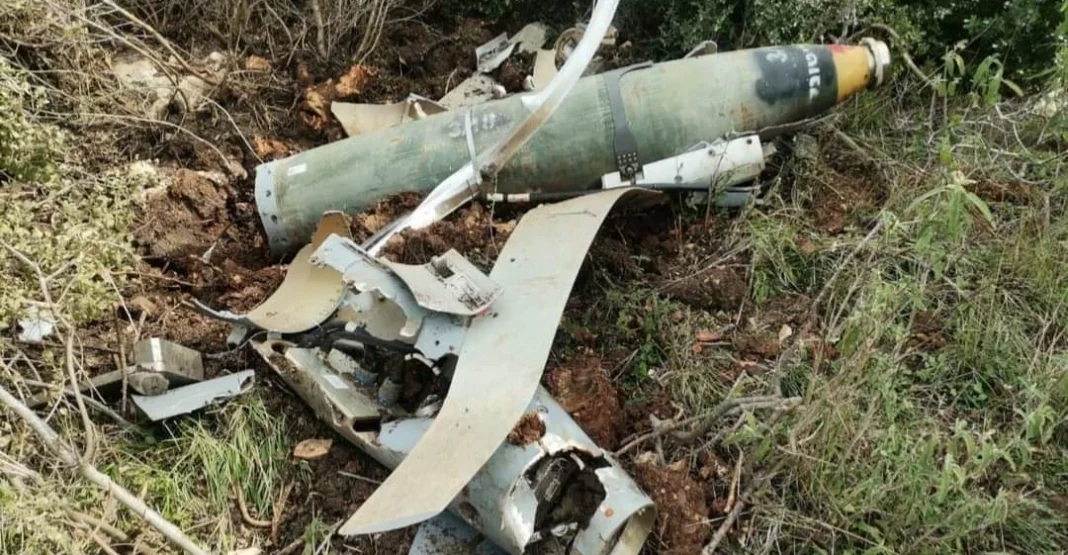
Iraqi security forces found two small military missiles in the Al-Busayya desert. The remote area lies within southern Al-Muthanna province.
One missile remained unexploded after reaching the desert. A security source identified the device as a cruise missile.
The Iraq missile discovery involved two military devices with unclear origins. Officials have not identified their exact models or technical specifications.
The security source also provided no information about their possible targets. Moreover, officials have not named any country or group as the launcher.
Authorities must now determine how the missiles reached Iraqi territory. Investigators may examine their components, markings, and remaining electronic systems.
Military experts could also study the missiles’ design features. Those details may help them identify the manufacturer or missile family.
Furthermore, investigators could examine the surrounding impact areas. Ground evidence may provide information about direction, speed, and possible flight paths.
The unexploded missile creates an immediate security concern. Explosive materials can remain dangerous even after a missile strikes the ground.
Therefore, specialized military teams must handle the device carefully. They also need to protect nearby communities and security personnel.
The desert location may limit public access to the missiles. However, the remote setting does not remove the risk of an explosion.
Authorities may need to secure a wide area around the devices. This step could allow technicians to inspect them without placing civilians in danger.
Additionally, investigators must determine whether the missiles carried active warheads. The available information does not explain their explosive capacity.
Officials also need to clarify when the missiles entered the area. However, the security source gave no precise timeline for either incident.
The discovery raises questions about regional military activity near Iraq. Nevertheless, officials have not connected the missiles to any specific conflict.
Therefore, authorities should avoid early conclusions about their origin. Technical evidence must guide the investigation before officials assign responsibility.
The missiles’ intended destination also remains unclear. They may have reached the desert accidentally, but investigators have not confirmed that possibility.
Likewise, officials have not determined whether the devices followed the same flight path. Each missile may require a separate technical examination.
Security agencies could review radar information from southern Iraq. Such records may help investigators identify unusual aerial movements.
Moreover, Iraq could request technical information from neighboring countries. Regional coordination may help authorities understand the missiles’ possible routes.
Defense officials could also compare the devices with known missile systems. Matching components may reveal information about their design and production.
However, damaged equipment can make identification difficult. Heat, impact, and environmental exposure may destroy important technical evidence.
Investigators will therefore need to preserve every recoverable component. Small fragments could provide valuable clues about the missiles’ origins.
The presence of an unexploded cruise missile also creates environmental concerns. Fuel, explosives, and damaged components could affect the surrounding area.
Therefore, technical teams may need to inspect the nearby soil after removing the missile. Environmental checks could identify any dangerous contamination.
Local authorities should also warn residents against approaching suspicious military objects. People should immediately report unusual devices to security forces.
Public awareness can reduce injuries from unexploded weapons. Moreover, clear official instructions could prevent people from disturbing dangerous materials.
The case highlights the importance of monitoring Iraq’s southern territory. Large desert areas can make rapid detection and recovery more difficult.
Security patrols may need greater equipment and technical support. Drones, surveillance systems, and communication tools could improve future monitoring.
However, officials have not announced any broader security operation. The current investigation focuses on the two missiles and their unexplained presence.
The findings may also increase public concern about Iraqi airspace. Citizens will expect authorities to explain whether the missiles crossed national borders.
Nevertheless, investigators need accurate evidence before answering that question. Missile debris alone may not reveal the complete flight path.
Baghdad may also need cooperation from international defense experts. Specialized knowledge could help Iraqi teams identify unfamiliar missile technology.
Furthermore, transparent updates could reduce public speculation. Authorities should share confirmed findings without harming the security investigation.
The government must also clarify whether the missiles threatened any community or facility. So far, officials have identified no intended target.
No available information links the devices to a planned attack inside Iraq. Therefore, the investigation must remain open to several possibilities.
The missiles could relate to military activity beyond Iraq’s borders. However, only technical analysis can establish a credible explanation.
Authorities must also determine whether both devices arrived during the same incident. Similar locations alone cannot confirm a direct connection.
Security forces may expand their search across the surrounding desert. Additional inspections could reveal fragments or other military objects.
Moreover, search teams could document each impact point carefully. Accurate records may help investigators reconstruct the missiles’ movement.
Until investigators explain the Iraq missile discovery, major questions will remain unanswered. Officials still need to identify the models, origin, launcher, and possible target.
Ultimately, Iraq must protect its territory while avoiding unsupported accusations. A careful investigation could provide answers and strengthen national security monitoring.