The Iraq climate crisis could force large numbers of people to leave major cities unless stronger environmental action begins soon, according to an Iraqi environmental organization. Moreover, experts warned that rising temperatures, pollution, and environmental degradation continue to threaten communities across the country. The Iraq climate crisisalso places growing pressure on public health, the economy, and essential infrastructure.
The Iraq Green Observatory warned that several major cities could experience widespread population decline within the next 50 years. Environmental experts pointed to worsening living conditions as the main reason behind the alarming projection.
Omar Abdul Latif, a member of the environmental organization, said Basra, Maysan, and Baghdad face the greatest risks. He explained that extreme heat, gas flaring, and rapid urban expansion continue to damage the environment. Consequently, many residents could eventually relocate if authorities fail to introduce effective long-term solutions.
Meanwhile, Iraq’s Ministry of Environment said it continues expanding programs that address climate change. Officials stated that adaptation measures include planting more trees, increasing green spaces, reducing harmful emissions, and protecting natural resources. Furthermore, the ministry believes these efforts can reduce future environmental risks.
Recent environmental data highlights the scale of the challenge. Iraq ranked 11th among the world’s most polluted countries in IQAir’s 2025 World Air Quality Report. Air pollution levels also exceeded the World Health Organization’s recommended limits by more than seven times.
In addition, Iraq has experienced a dramatic rise in extreme heat. Before 2010, cities recorded only a handful of days above 50 degrees Celsius each year. Today, Baghdad, Basra, and Maysan often experience between 25 and 40 such days annually. Therefore, residents now face significantly longer and more intense heatwaves.
Latif also identified several factors that worsen temperatures in Baghdad. Heavy traffic, constant construction, private electricity generators, and limited green spaces all contribute to higher urban temperatures. Furthermore, concrete buildings absorb heat during the day and release it after sunset, making evenings increasingly uncomfortable.
However, the Kurdistan Region continues to perform better than many parts of central and southern Iraq. Latif credited more reliable electricity, fewer private generators, cleaner vehicle standards, and larger green areas for the difference. As a result, many cities in the region experience lower environmental pressure.
He also highlighted the Kurdistan Regional Government’s large-scale tree planting initiative. The project introduced millions of pistachio and olive trees around Erbil to create a protective green belt. Officials hope the initiative will improve air quality while reducing rising temperatures over time.
The Ministry of Environment also acknowledged that Iraq continues experiencing stronger and more frequent heatwaves. Officials warned that temperatures above 50 degrees Celsius directly affect public health, economic activity, and environmental stability.
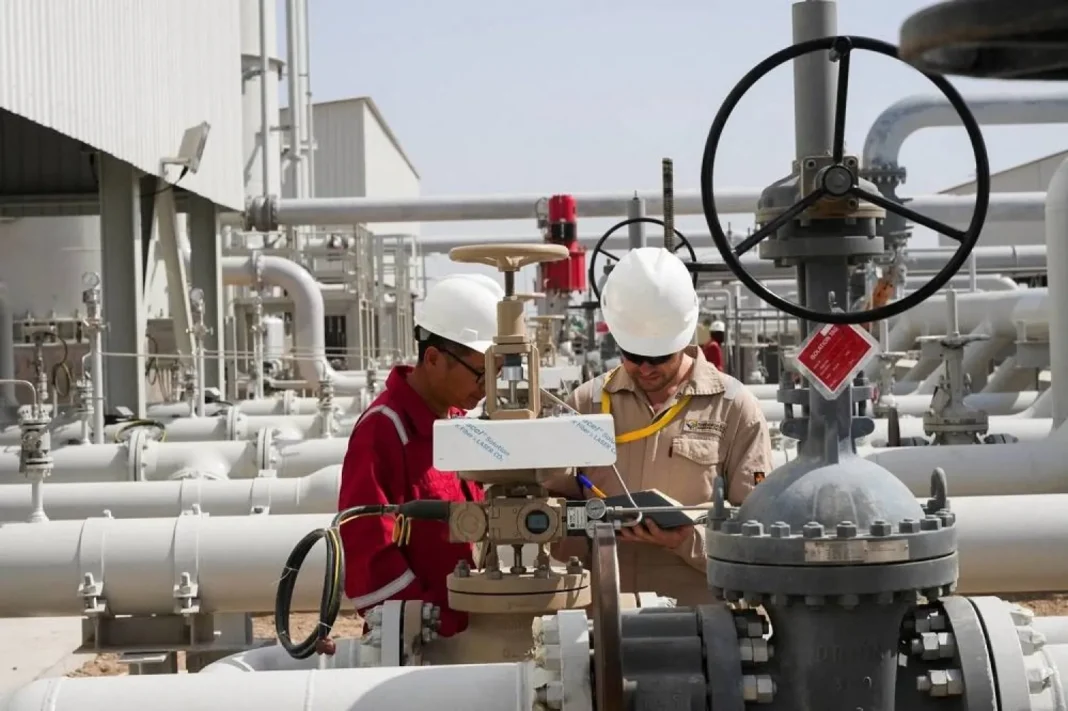
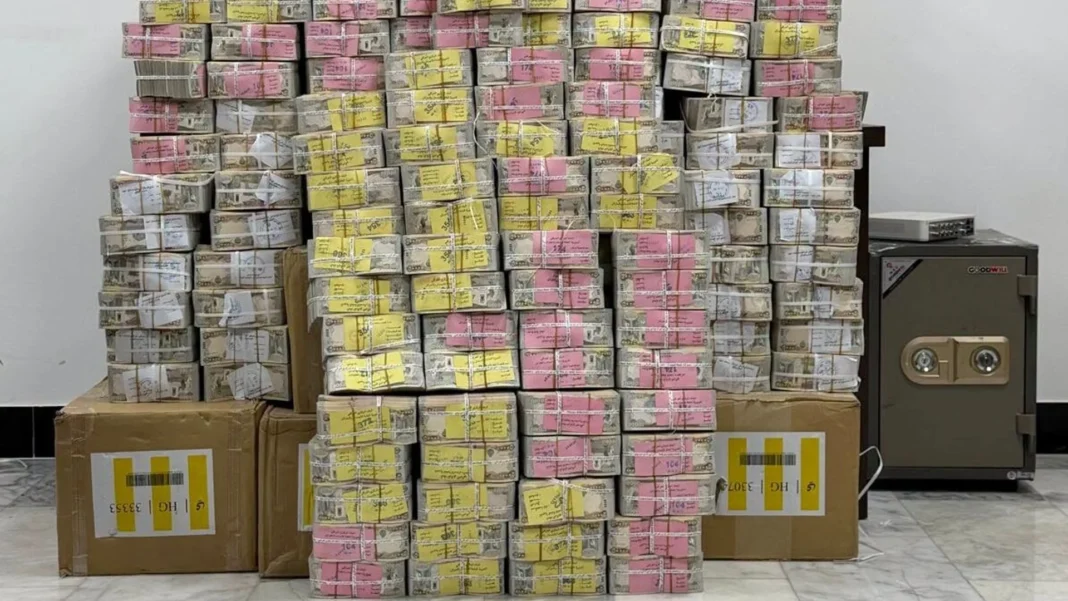
Meanwhile, the Iraq Green Observatory estimated that every day above 50 degrees Celsius costs the economy around $150 million. Power outages, industrial disruptions, increased fuel consumption, and lower productivity create substantial financial losses. During the summer of 2025 alone, total economic losses reportedly exceeded $9 billion.
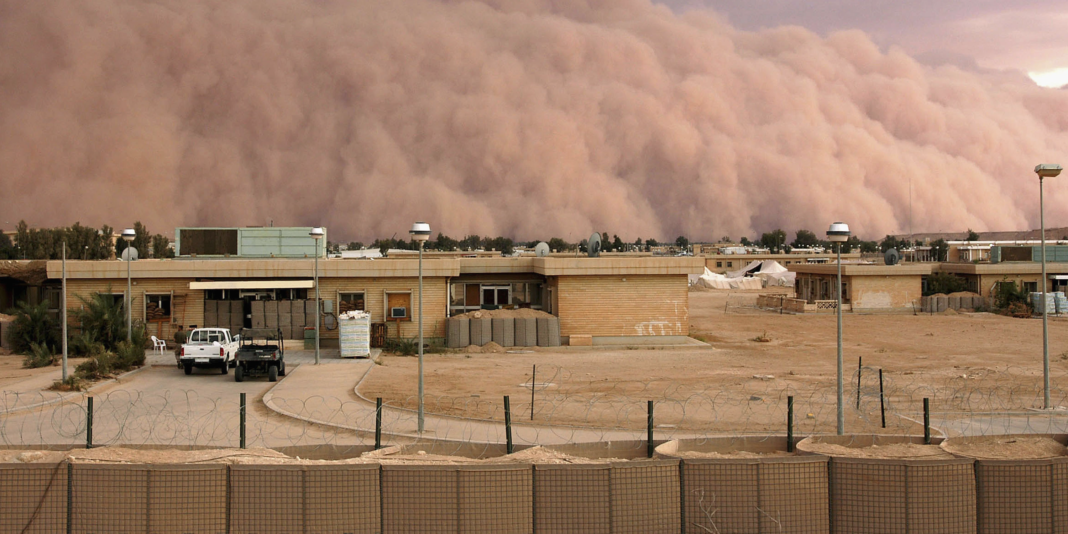
Health experts also recorded serious consequences during last year’s extreme heat. Hospitals treated approximately 3,200 people for heat exhaustion and heatstroke during July 2025. Additionally, severe drought destroyed around 60 percent of roadside trees across affected areas. Dust storms also increased sharply, rising by approximately 70 percent.
Experts continue urging stronger environmental policies before conditions worsen further. They believe cooperation between government agencies, environmental organizations, and local communities remains essential. Without stronger action, the Iraq climate crisis could reshape the country’s environment, economy, and population for decades to come.