Iraq export routes expand as Baghdad prepares new crude and naphtha shipments through Syria. The move follows major pressure on Gulf shipping lanes after a regional conflict disrupted maritime traffic. Moreover, officials want to reduce Iraq’s reliance on one export corridor.
Iraq plans to use Syrian ports to move crude oil, naphtha, and fuel products. The strategy builds on recent fuel oil shipments through the Mediterranean port of Baniyas. Therefore, Baghdad sees Syria as a practical route during shipping disruptions.
The plan also reflects a longer-term government strategy. Iraqi oil officials say diversification will continue even after Gulf traffic returns to normal. In addition, Baghdad wants stronger protection against future shocks in the Strait of Hormuz.
Normally, Iraq exports most of its crude through southern Basra terminals. Before the disruption, those terminals handled around 3.4 million barrels per day. However, conflict near key maritime routes forced Iraq to search for alternatives.
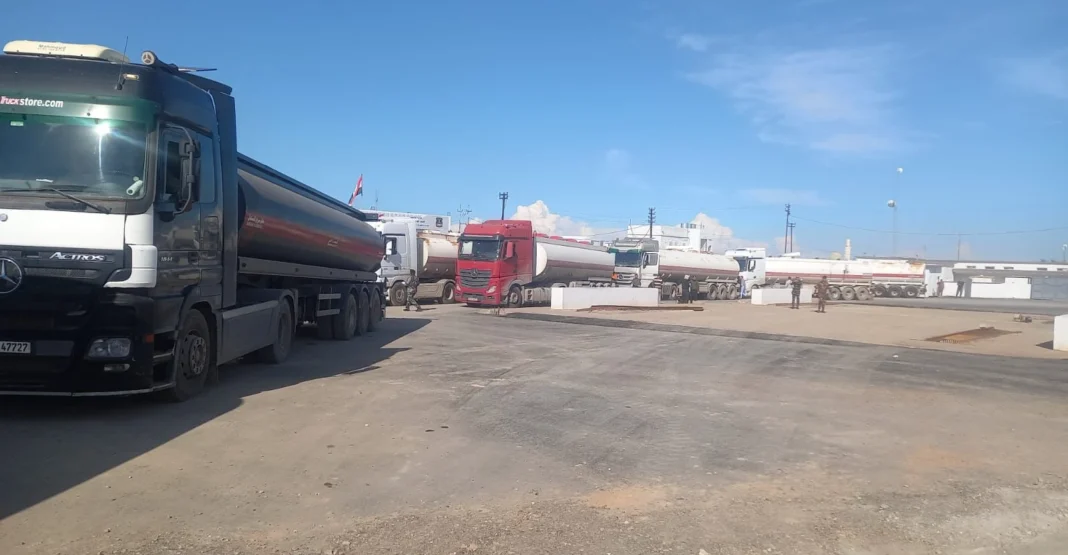
Iraq usually exports fuel oil from Khor al-Zubair in the Gulf. Yet, blocked routes and rising storage pressure pushed officials toward Syria. As a result, Iraq began moving large fuel volumes overland to Baniyas.
Syrian energy officials say operations continue at the port. They also say Baniyas can unload about 900 tanker trucks each day. Furthermore, Syria plans to add more unloading areas and support facilities soon.
Crude exports through Syria could start near 50,000 barrels per day. Officials expect flows to begin once loading systems become ready. However, they have not released clear naphtha export volumes yet.
SOMO also plans to open offices in Baniyas. This step could improve coordination with Syrian port teams and buyers. Moreover, it may help Iraq manage export paperwork more efficiently.
Iraq already moved large volumes of fuel oil through Syria under short-term contracts. The volumes reached hundreds of thousands of metric tons each month. Consequently, the route gave Iraq a temporary outlet during serious shipping pressure.
Syria also gains from the arrangement. The country collects transit fees linked to fuel movements through its territory. However, buyers and intermediaries handle fee payments instead of direct transfers from SOMO.
The route supports Syria’s effort to reconnect with regional trade. Years of war damaged its economy and weakened its infrastructure. Therefore, energy transit offers Damascus a chance to rebuild commercial links.
Still, the Baniyas route carries major challenges. Damaged roads slow tanker movement and raise transport risks. In addition, long truck lines create pressure around highways leading to the port.
Safety problems have already appeared along the route. Two Iraqi fuel tankers collided near Homs and spilled large fuel volumes. Meanwhile, protesters in northeast Syria blocked tankers over fuel prices and poor living conditions.
These incidents show the limits of tanker-truck exports. Trucks can move fuel quickly, but they face road, security, and social risks. Therefore, Syria wants to revive damaged pipelines and reduce road dependence.
A source familiar with Baniyas’ operations said trucks do not feed the refinery. Instead, tankers unload fuel oil at a marine platform near storage tanks. Then, operators pump the fuel directly into export vessels.
Pipeline revival could transform the route over time. Syrian officials say the Iraq-Syria oil pipeline can carry up to 300,000 barrels per day. If repairs succeed, Iraq could move larger volumes with fewer road risks.
Iraq’s export routes matter because the country depends heavily on oil revenue. Any disruption can hurt public finances and export confidence quickly. Moreover, wider routes can give Baghdad more flexibility during regional crises.
The Syrian route could also help Iraq reach African and European markets. Some cargoes have already moved from Baniyas toward ports abroad. As a result, Iraq can test Mediterranean access while Gulf risks remain high.
Overall, Iraq’s export routes through Syria mark a strategic shift in oil logistics. Baghdad wants safer crude, naphtha, and fuel oil movements beyond the Gulf. If infrastructure improves, the route could become a lasting part of Iraq’s export network.