The Iraq public debt level now equals approximately 47 percent of its gross domestic product. However, officials believe Baghdad can manage the current burden.
The Iraq debt outlook remains relatively stable despite rising domestic borrowing. Nevertheless, the country faces serious economic risks because oil income finances most government spending.
Oil exports provide Iraq with most of its public revenue. Therefore, any sharp fall in global prices could weaken government finances.
Lower oil demand could also reduce export earnings. Moreover, regional conflicts and global market changes could increase pressure on Iraq’s budget.
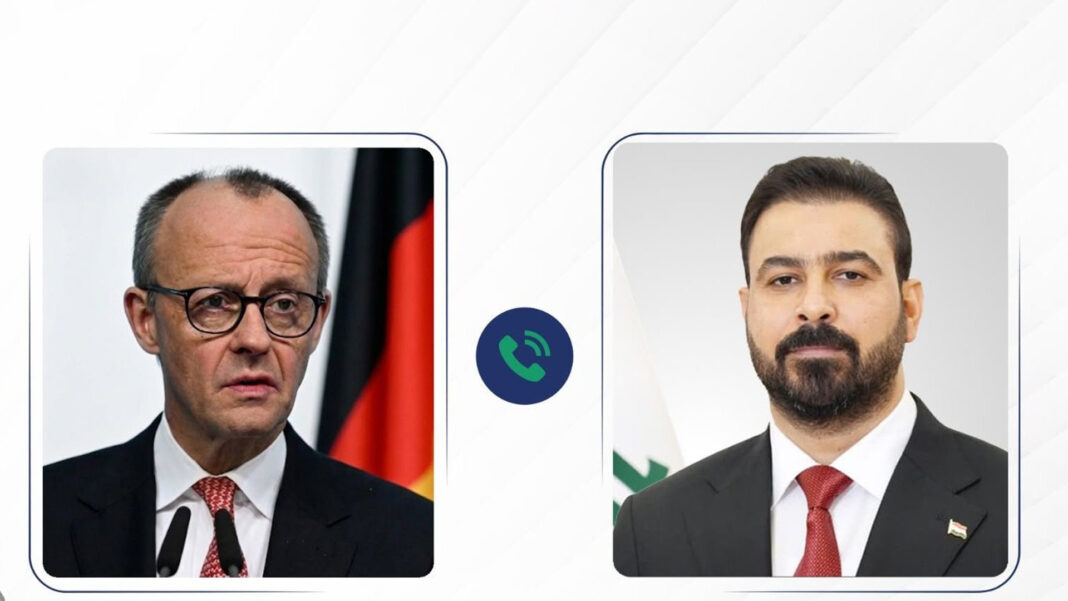
Saleh identified oil dependence as one of Iraq’s greatest economic weaknesses. He also highlighted the poor performance of several productive sectors.
Agriculture, industry, and private services still contribute limited revenue. Meanwhile, government administrative expenses continue to grow and consume more public funds.
Consequently, Iraq needs stronger income sources outside the energy industry. Economic diversification could protect the country from sudden foreign shocks.
The government now aims to expand industrial production and agricultural activity. It also wants service companies to contribute more to economic growth.
Additionally, officials plan to improve the country’s tax and customs systems. Better collection methods could increase public revenue and reduce waste.
Banking reform also forms an important part of the government’s economic strategy. Stronger banks could support private companies and encourage local investment.
Furthermore, a modern banking sector could provide businesses with easier financing. This development could create jobs and reduce pressure on public employment.
Central bank figures show that domestic debt reached 95.7 trillion Iraqi dinars. This amount equals approximately $73 billion.
The previous recorded level reached 90.51 trillion dinars, or nearly $69.1 billion. Therefore, domestic borrowing increased by 5.16 trillion dinars, or approximately $3.9 billion.
An earlier figure placed domestic debt at 83.05 trillion dinars. That amount equaled approximately $63.4 billion.
These figures show a clear rise in government borrowing from local sources. However, external debt moved in the opposite direction.
Iraq’s external debt reached $54.101 billion in the latest available figures. Previous totals reached $54.601 billion and $56.207 billion.
Therefore, the country reduced its external obligations by $2.106 billion across the reported period. This decline offers some relief for public finances.
However, rising domestic debt still requires careful management. Officials must balance borrowing needs with the country’s ability to repay.
Financial leaders and Oliver Wyman representatives discussed stronger debt management policies. They supported medium-term strategies for different types of government obligations.
These strategies should consider Iraq’s credit rating and major global financial indicators. They should also reflect interest costs and repayment requirements.
Moreover, advisers urged the government to prepare budgets using realistic revenue estimates. Unrealistic oil expectations could create larger deficits and increase borrowing.
Authorities also need to examine their ability to complete planned projects. Weak execution can waste public money and delay economic benefits.
The Iraq debt outlook will largely depend on effective reforms and disciplined government spending. Stronger non-oil sectors could improve financial stability.
Furthermore, better tax collection could provide the government with a reliable annual income. Customs reforms could also improve trade revenue and reduce corruption.
Iraq can currently manage its debt burden. However, oil dependence continues to threaten long-term economic security.
Therefore, policymakers must accelerate reforms across agriculture, industry, services, taxation, customs, and banking. These changes could create a more balanced economy.
Ultimately, Iraq needs careful borrowing and realistic budgets. It also needs stronger private investment and more productive local businesses.