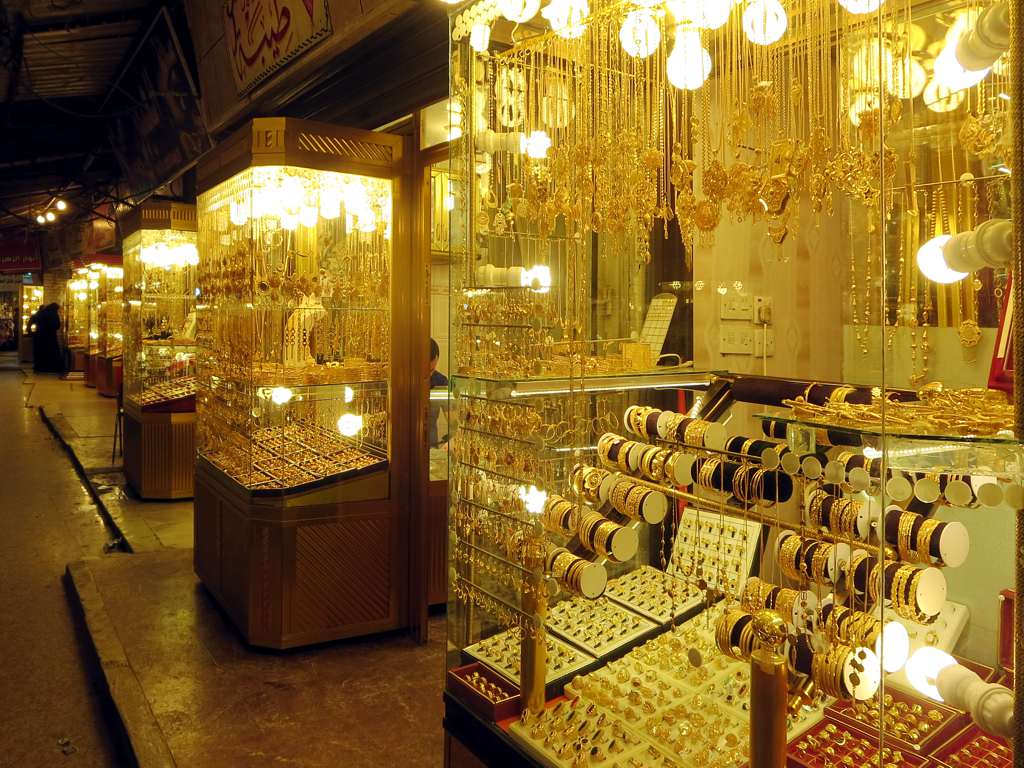
Iraq gold prices held steady in Baghdad and Erbil as traders reported calm market movement. Prices stayed near 910,000 Iraqi dinars per mithqal in key retail markets. Moreover, jewellers saw limited changes between buying and selling levels. The stable trend gave buyers a clearer view of local gold costs.
In Baghdad, traders on Al-Nahr Street kept 21-carat foreign gold near recent levels. They offered Gulf, Turkish, and European gold at 908,000 dinars per mithqal. Meanwhile, they bought the same category at 904,000 dinars per mithqal. A mithqal equals about five grams in local gold trading.
Iraqi gold also showed a steady pattern in Baghdad. Traders set the selling price for 21-carat Iraqi gold at 878,000 dinars. In addition, they offered a buying price of 874,000 dinars. Therefore, local gold stayed below imported varieties in the capital.
Jewelry shops showed slightly wider selling ranges. Retailers offered 21-carat Gulf gold between 910,000 and 920,000 dinars per mithqal. Meanwhile, they offered Iraqi gold between 880,000 and 890,000 dinars. These shop prices reflected retail costs and store-level margins.
In Erbil, gold prices also showed firm levels. Dealers sold 22-carat gold at 961,000 dinars per mithqal. Moreover, they sold 21-carat gold at 917,000 dinars. They also offered 18-carat gold at 786,000 dinars per mithqal.
The difference between Baghdad and Erbil prices remained visible. Erbil’s 21-carat gold price stood higher than Baghdad’s main wholesale level. However, jewelry shop prices in Baghdad moved closer to Erbil’s retail figures. As a result, buyers compared markets before making purchases.
Iraq’s gold prices often follow global bullion trends and local currency conditions. However, local supply, demand, and shop margins also affect final prices. In addition, imported gold can cost more than Iraqi gold. Buyers usually notice that difference when choosing between local and foreign products.
The steady movement may help consumers plan purchases. Many families buy gold for weddings, gifts, and savings. Therefore, even small price changes can affect buying decisions. Stable prices can reduce pressure on customers during short-term market checks.
Traders also watch the Iraqi dinar closely. Any movement in the dollar exchange rate can influence gold prices. Moreover, international gold prices can quickly affect local markets. For that reason, jewellers follow both domestic and global signals.
The current price levels show a calm trading environment. Baghdad and Erbil did not record a major jump in retail rates. Instead, markets kept prices within narrow ranges. This suggests that traders expected limited short-term movement.
Still, buyers may continue to monitor daily updates. Gold remains a popular store of value in Iraq. In addition, many people use gold as protection against currency pressure. Therefore, price stability can influence both shoppers and small investors.
Overall, Iraq’s gold prices stayed stable across major markets. Baghdad traders kept 21-carat foreign gold near 908,000 dinars per mithqal. Erbil dealers placed 21-carat gold around 917,000 dinars. Consequently, the market showed balance despite differences between local and imported gold.