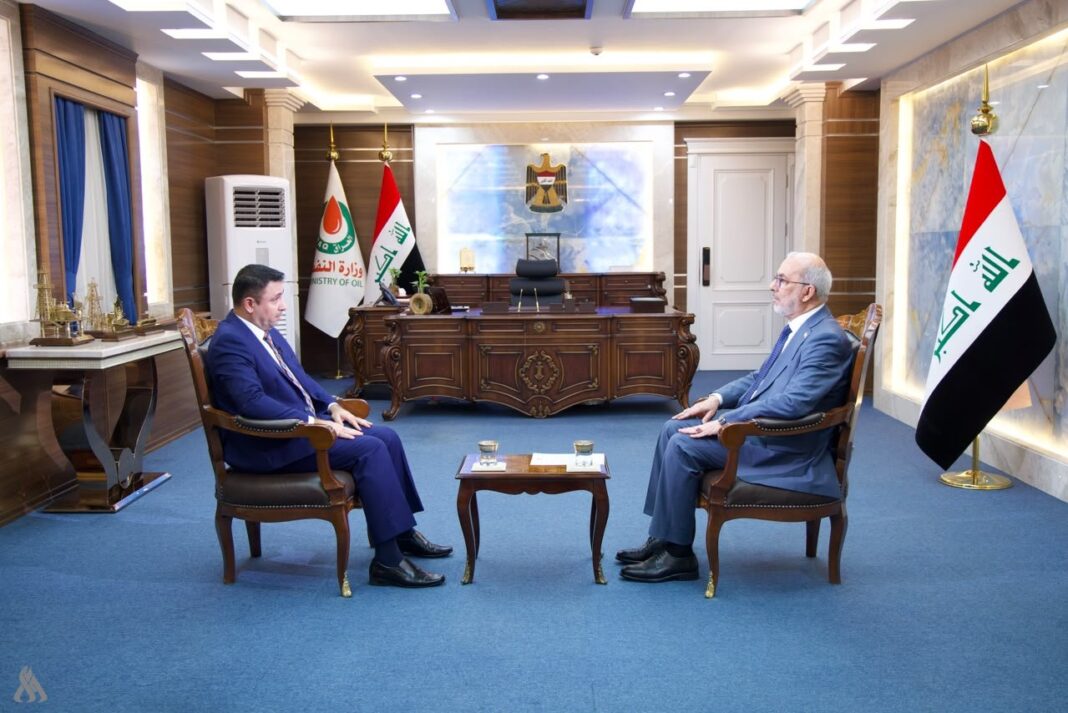
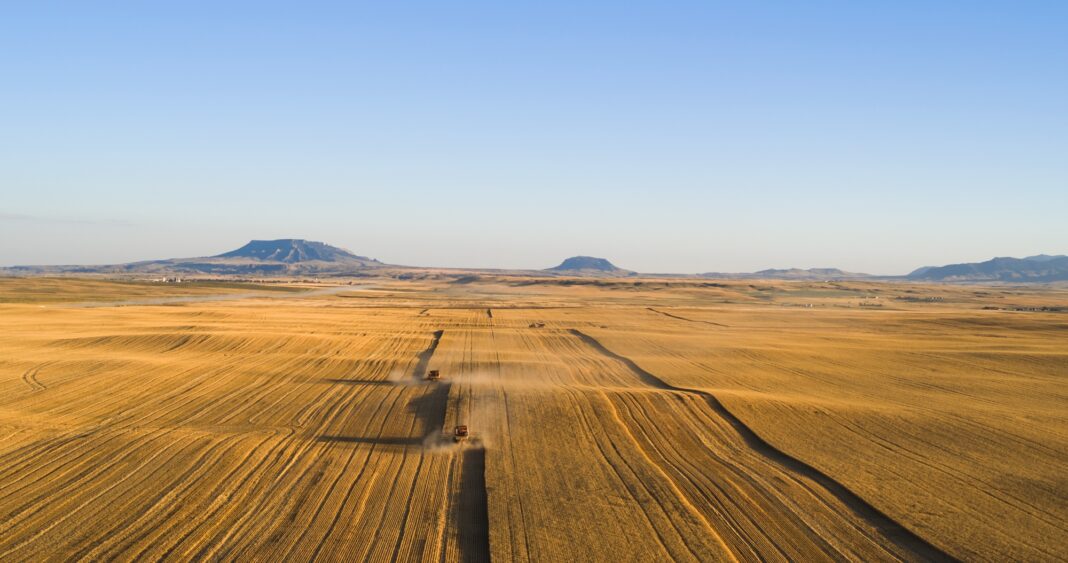
Iraq wheat marketing reached 4.8 million tons during the latest agricultural season. Trade Minister Mustafa Nizar al-Ani announced the end of the government’s purchasing campaign. Local farmers supplied the entire quantity to Trade Ministry warehouses. Consequently, Iraq strengthened its wheat reserves and national food security.
Wheat marketing refers to the government’s purchase of grain from local farmers. Producers deliver their crops to designated collection centers and storage facilities. The ministry then records, inspects, and stores the wheat. This system supports farmers while building strategic national reserves.
Al-Ani said the ministry continues distributing outstanding payments to farmers. These payments cover crops that farmers supplied during the latest and previous purchasing cycles. Moreover, officials plan to release another payment batch soon. Faster payments could provide farmers with important financial relief.
Many farmers depend on government payments to cover production costs. They need money for seeds, fertilizer, fuel, machinery, and labor. Therefore, payment delays can affect preparations for future planting seasons. Prompt disbursement can help farmers maintain stable agricultural operations.
The minister also confirmed that Iraq holds enough wheat for national consumption. Current stocks can cover demand until farmers begin the next harvest cycle. This assurance reduces concerns about possible domestic shortages. Furthermore, strong reserves can support stable flour supplies across the country.
However, authorities must manage the available grain carefully. Warehouses must protect wheat from moisture, pests, contamination, and waste. Transport teams also need efficient coordination between farms and provincial storage facilities. Proper management can preserve the grain’s quality throughout the storage period.
Some provinces still contain wheat that government warehouses have not received. Therefore, the ministry will permit wheat transfers between different provinces. Farmers can move their crops toward areas with available storage capacity. This decision could reduce bottlenecks at crowded collection centers.
Interprovincial transfers could also improve the distribution of wheat supplies. Provinces with extra grain can support areas with greater demand. Meanwhile, farmers can avoid holding crops for extended periods. This flexibility may reduce storage problems and possible financial losses.
The ministry will also allow farmers to sell and move wheat through local markets. Consequently, producers will gain additional options beyond government purchasing centers. Local traders can purchase grain that remains outside ministry warehouses. This approach could increase commercial activity across agricultural provinces.
The new policy also covers wheat outside the official agricultural plan. Some farmers cultivate grain beyond government production targets. The ministry may not initially acquire every ton from these areas. However, local trading can create another market for their harvests.
Strong domestic procurement can reduce Iraq’s need for foreign wheat. Lower import dependence can protect the country from international supply disruptions. Moreover, local production keeps more agricultural spending inside Iraq. Farmers, transporters, millers, and traders can all benefit.
However, future harvests will depend on water availability and production costs. Farmers also need reliable electricity, machinery, seeds, and fertilizers. Consequently, government support will remain important for maintaining strong output. Agricultural planning must address these challenges before each planting cycle.
Wheat plays a central role in Iraq’s food system. Mills transform the grain into flour for bakeries and household consumption. Therefore, reliable wheat supplies directly support bread availability. Strong reserves also help the government respond to unexpected market disruptions.
The procurement total also reflects the importance of Iraqi agriculture. Oil dominates the national economy, but farming supports millions of residents. Moreover, agricultural growth can create jobs across rural communities. It can also strengthen businesses involved in storage, transportation, and food processing.
The latest Iraq wheat marketing result gives authorities a strong supply position. Nevertheless, the ministry must complete all outstanding farmer payments. Officials must also organize provincial transfers and local wheat trading. Successful implementation will determine the policy’s wider economic impact.
Ultimately, the 4.8-million-ton total strengthens Iraq’s domestic wheat supply. Provincial transfers can help move remaining grain toward suitable markets and warehouses. Furthermore, timely payments can encourage farmers to continue producing wheat. Effective management can protect food security through the next agricultural cycle.