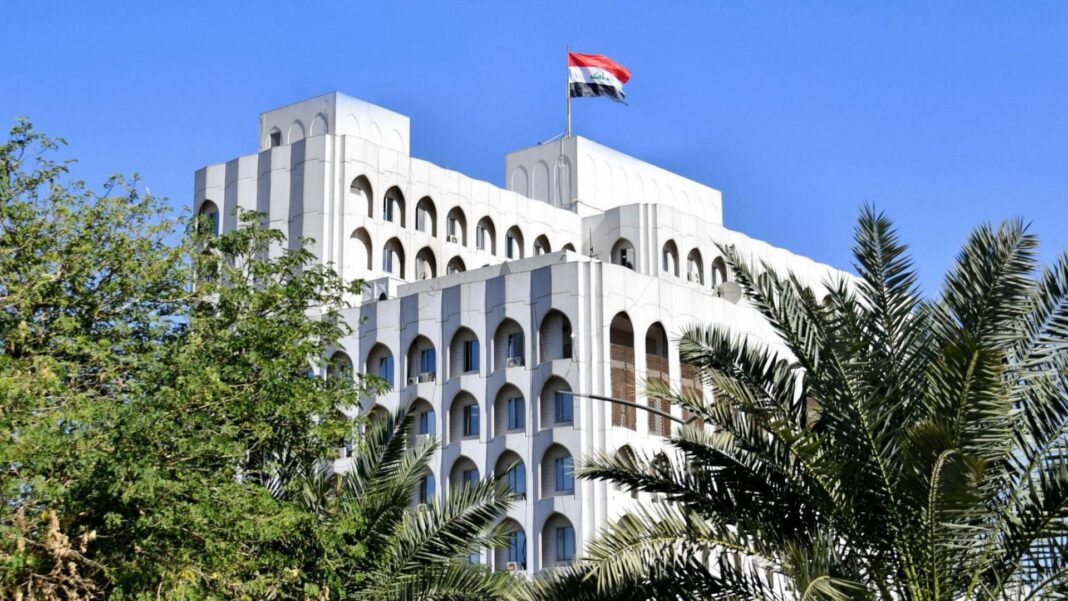
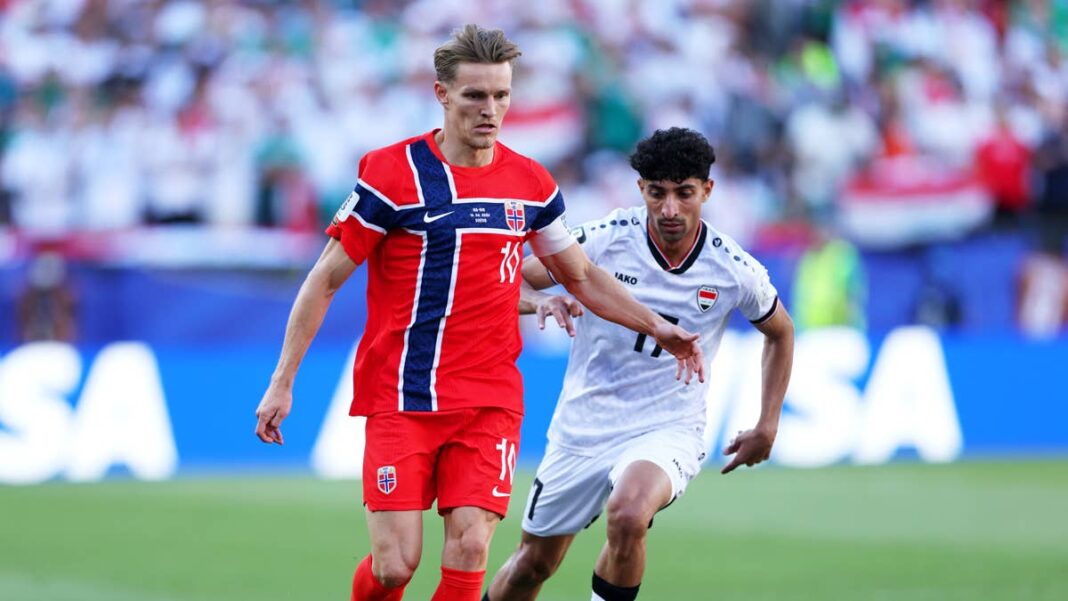
The historic World Cup return marks a major moment for international football as both Iraq and Norway step back onto the world stage. This historic World Cup return brings excitement to fans across continents, while it highlights years of persistence, rebuilding, and ambition. It also shows how football continues to unite nations through shared passion and hope.
Iraq returns to the World Cup finals for the first time since 1986. This appearance marks only the second time in the nation’s history. Meanwhile, Norway returns after its last appearance in 1998, when it reached the Round of 16 in France.
Norway’s comeback comes after decades of near misses in qualification campaigns. Despite producing elite talent, the team often fell short on the final step. However, this time they finally secured their place in the tournament. Star players such as Erling Haaland and Martin Ødegaard played key roles in raising expectations and performance levels. As a result, Norway now enters the competition with renewed confidence.
Iraq, on the other hand, approaches the tournament with deep emotional significance. Fans across the country celebrate this qualification as a historic achievement. Moreover, Iraq enters one of the toughest groups in the competition. Analysts often describe it as a “Group of Death.” The group includes Norway, Senegal, and France. Nevertheless, Iraqi supporters remain optimistic about their team’s chances.
Furthermore, excitement continues to build among fans who believe even a single win would spark nationwide celebration. One commentator noted that Iraq’s presence alone already represents success. Therefore, expectations focus more on pride and performance rather than results.
The historic World Cup return also reflects football’s growing global influence beyond traditional powerhouses. In many countries, the sport holds cultural and emotional importance. Whether people call it soccer, football, or kurut alqadam, the passion remains the same.
In the United States, the sport continues to grow rapidly among diverse communities. Waad Sana, owner of Soccer World, shared his experience of this evolution. He moved from Iraq to the U.S. in 1976 as a teenager. At the time, he faced confusion over the term “football” in American stores. He recalled asking for football equipment and receiving an American football instead. That moment reflected how unfamiliar the sport once was in his new home.
Today, however, the situation has changed significantly. Football culture has expanded globally, reaching new audiences and generations. The historic World Cup return of Iraq and Norway highlights this shared global connection.
Ultimately, the historic World Cup return represents resilience, growth, and unity through sport. It shows how long journeys can lead to defining moments on the world stage.