Iraq census data leak claims spread rapidly across social media platforms earlier this week. However, Iraq’s Ministry of Planning strongly rejected all allegations. The ministry insisted that no breach occurred. At the same time, officials urged the public to avoid misinformation.
Moreover, Iraq census data leak claims circulated alongside accusations of dark web data sales. The ministry responded quickly with a formal statement. It confirmed that all census data remains secure. In addition, officials emphasized that no hacking or theft took place.
Abdul Zahra al-Hindawi, a ministry spokesperson, addressed the reports directly. He said the government completely denies any data leakage. Furthermore, he stressed that the circulating information holds no validity. Therefore, authorities consider the claims entirely false.
In addition, the ministry explained its cybersecurity framework. It stated that census data operates within a closed internal network. This system does not have internet connectivity. As a result, officials argue that external breaches cannot occur.
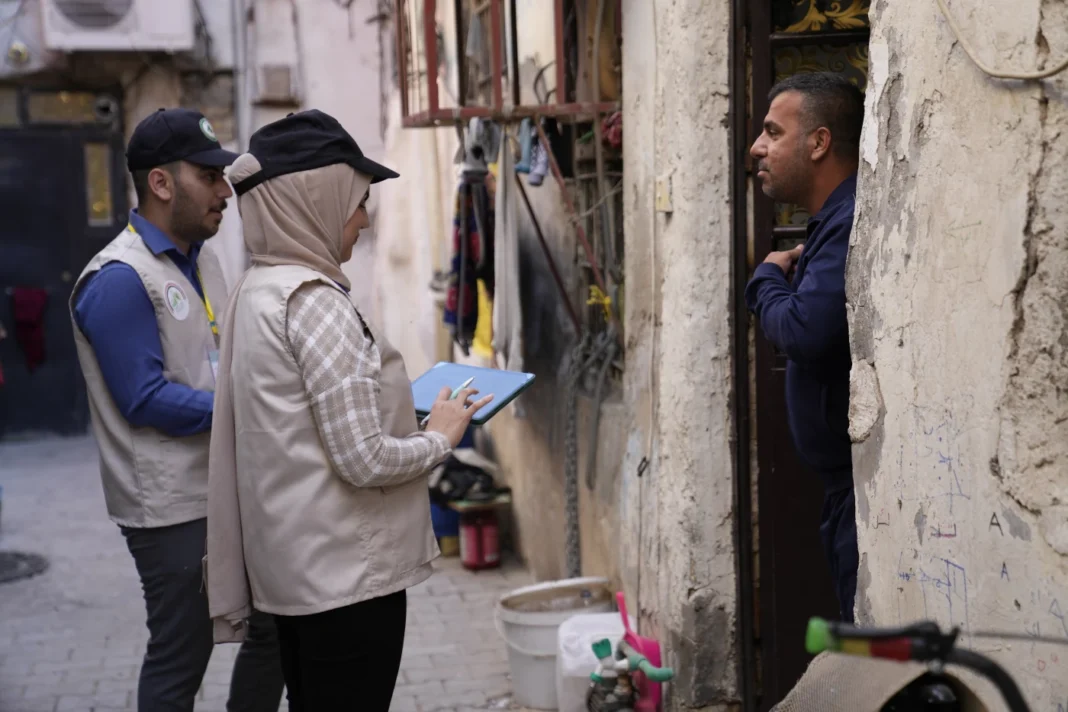
Meanwhile, the ministry detailed strict technical procedures for census devices. Teams removed memory units from all tablets used in the process. They also reformatted devices multiple times. Consequently, officials restored them to factory condition. This process ensures no recoverable data remains.
Furthermore, authorities reassured citizens about data protection. They confirmed that personal information stays fully secured. They also said no data exists in circulation or on external platforms. Therefore, they dismissed all circulating claims as misleading.
However, rumors online suggested a major breach. These claims alleged that nearly 47.7 million records appeared for sale. The posts also mentioned a dark web listing with a low price tag. Despite widespread sharing, no evidence supported these claims.
At the same time, analysts noted the rapid spread of misinformation. Social media amplified the allegations within hours. Nevertheless, official statements clarified the situation quickly.
Importantly, Iraq continues to rely on its 2024 nationwide census. That census marked the first such effort in decades. It aimed to improve planning and public service delivery. Additionally, it supports fair resource distribution across governorates.
Therefore, officials stressed the importance of accurate reporting. They warned that false claims may create unnecessary public concern. Consequently, they encouraged citizens to verify information before sharing it.
Ultimately, Iraq census data leak claims remain unproven and officially denied. Authorities continue to maintain that national data systems remain secure and protected from external threats.