The future of Iran-Iraq relations remained a major focus on Monday as officials from Tehran and Baghdad stressed regional stability and balanced diplomacy. Meanwhile, political leaders in the Kurdistan Region called for an end to military escalation targeting northern Iraq.
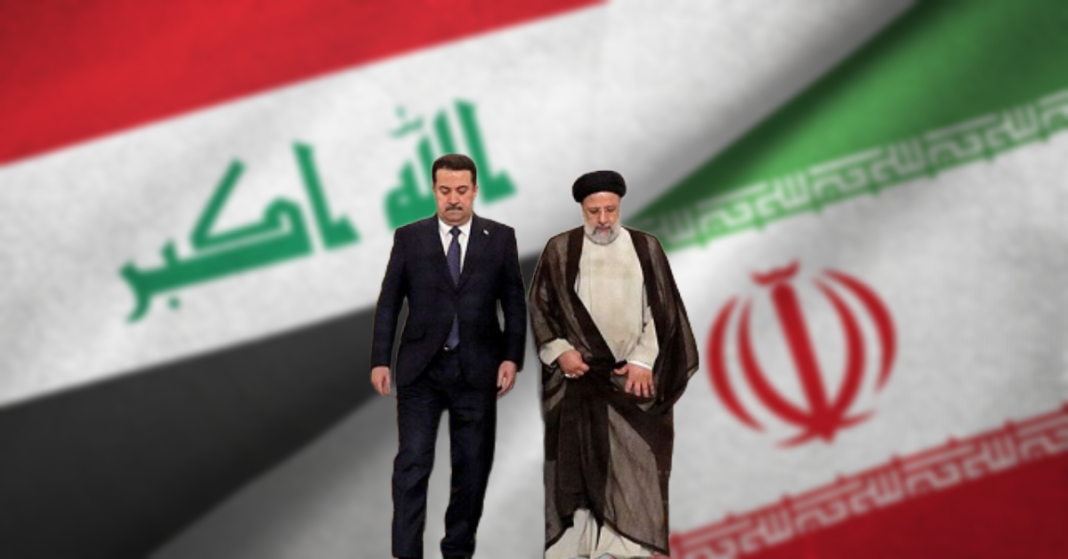
Iranian Foreign Ministry spokesperson Esmaeil Baqaei confirmed that Tehran continues to maintain strong ties with Iraq despite political changes in Baghdad. Furthermore, he described the relationship between the two countries as strategic and stable.
Baqaei explained that government transitions inside Iraq do not change Tehran’s long-term approach toward Baghdad. In addition, he emphasized that cooperation between the two countries continues across several political and security sectors.
At the same time, discussions surrounding regional tensions intensified after recent security incidents involving Iraqi territory. Consequently, Iraqi leaders renewed calls for neutrality and stronger national sovereignty.
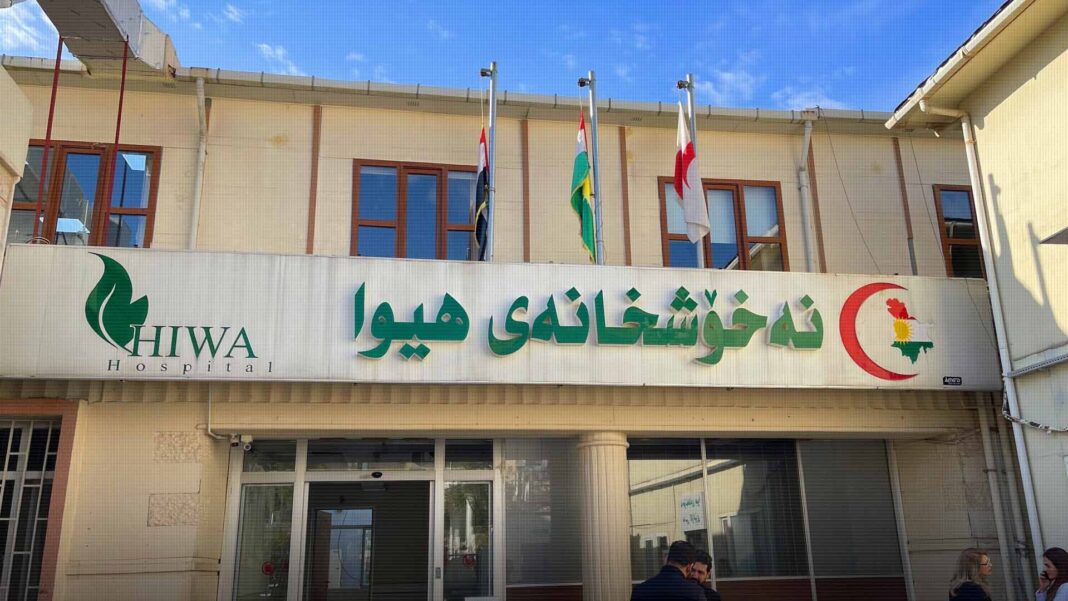
In al-Sulaymaniyah, Governor Haval Abu Bakr urged Iran’s newly appointed consul to stop military strikes targeting the Kurdistan Region. Moreover, he stressed that the Kurdistan Region follows a balanced political approach and avoids involvement in regional conflicts.
Abu Bakr also stated that Erbil does not support entering international or regional power struggles. Therefore, he called for respecting the Kurdistan Region’s stability and security.
Meanwhile, Baghdad officials continued emphasizing Iraq’s commitment to balanced foreign relations. Government spokesperson Sabah al-Numan said Iraq prioritizes national security above all regional disputes.
Speaking to the Iraqi News Agency, al-Numan explained that Baghdad follows a preventive diplomacy strategy. According to him, Iraq seeks balanced relations with neighboring countries while protecting its sovereignty.
He also stressed that Iraq refuses to allow its territory to become a launch point for attacks against other states. Additionally, he rejected all forms of foreign interference in Iraqi affairs.
The discussion around Iran-Iraq relations gained further attention after Saudi Arabia announced intercepting three drones entering its airspace from Iraqi territory. Saudi authorities reported destroying the drones before they reached sensitive locations.
However, Iraqi authorities did not publicly comment on the incident. Likewise, the Islamic Resistance in Iraq remained silent following the announcement.
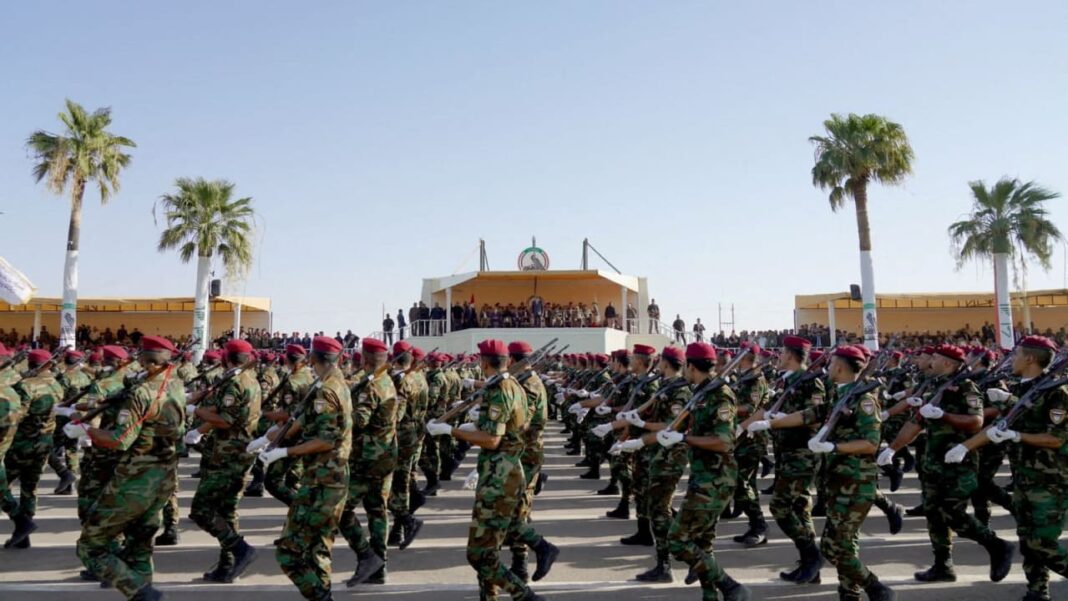
The Islamic Resistance in Iraq includes several armed factions aligned with Iran. Previously, the group claimed responsibility for drone and missile attacks during periods of heightened regional tension.
Regional analysts believe the latest developments could increase pressure on Baghdad to strengthen border control measures. Furthermore, experts warned that continued instability may place Iraq in a difficult diplomatic position.
Despite rising tensions, Iraqi leaders continue stressing neutrality and dialogue. They aim to prevent Iraq from becoming involved in broader regional confrontations.
At the same time, Tehran continues to highlight the importance of cooperation with Baghdad. Officials from both countries frequently underline security coordination and economic partnerships.
The debate surrounding Iran-Iraq relations continues as regional tensions shape political discussions across the Middle East. Observers now watch closely for further diplomatic developments between Iraq, Iran, and neighboring states.