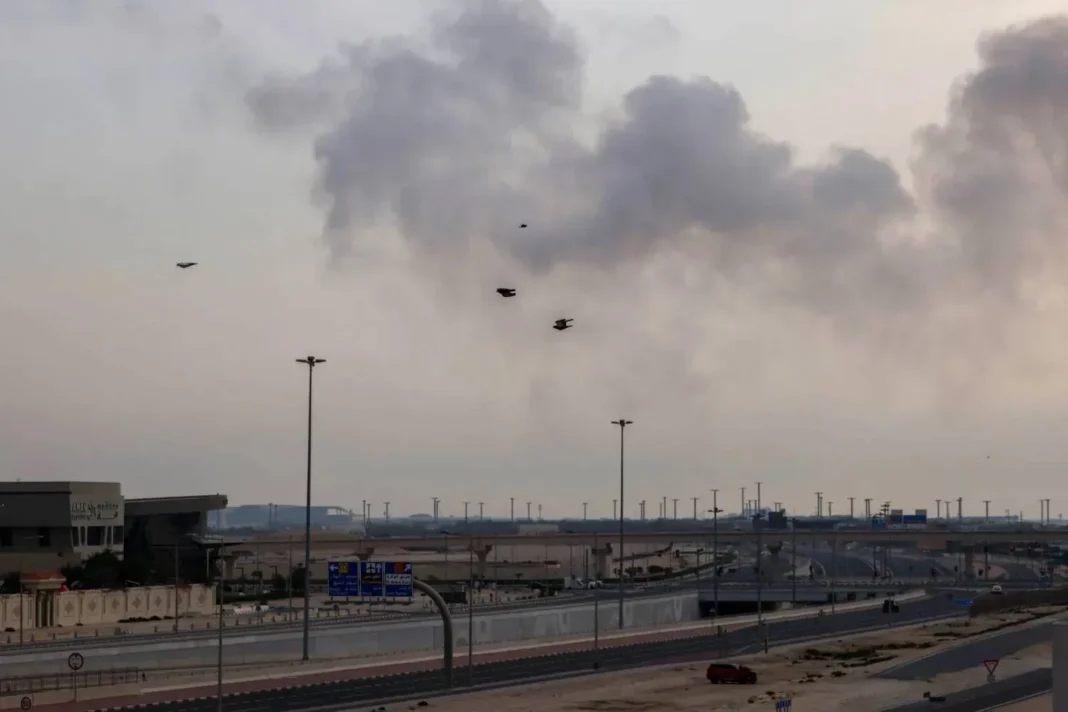
Military forces in the United Arab Emirates neutralized six hostile aircraft over a forty-eight-hour period. Technical tracking confirms that these weapons originated inside Iraqi territory. Alarmingly, three of these explosive devices directly targeted a major nuclear energy installation. For this reason, this unprecedented escalation has triggered a severe Gulf security crisis across the Middle East.
Air defense networks successfully destroyed most of the incoming threats before they caused casualties. However, one drone bypassed the primary defense perimeter. Specifically, the projectile struck an electrical generator outside the main station walls. Emirati officials immediately asserted their absolute right to safeguard national sovereignty. Therefore, they vowed to protect critical infrastructure under established international laws.
Meanwhile, neighboring nations face similar airborne threats from the same direction. For instance, Saudi Arabia recently announced the interception of three additional drones. These cross-border weapons entered Saudi airspace over the weekend. Consequently, the Saudi defense establishment reserves the right to retaliate. In fact, they plan to strike back at an appropriate time and place.
Undeniably, this string of aggressive actions directly fuels the worsening Gulf security crisis. Regional intelligence analysts link these operations to specific regional proxy networks. These groups regularly use unmanned weaponry to disrupt commerce and stable governance.
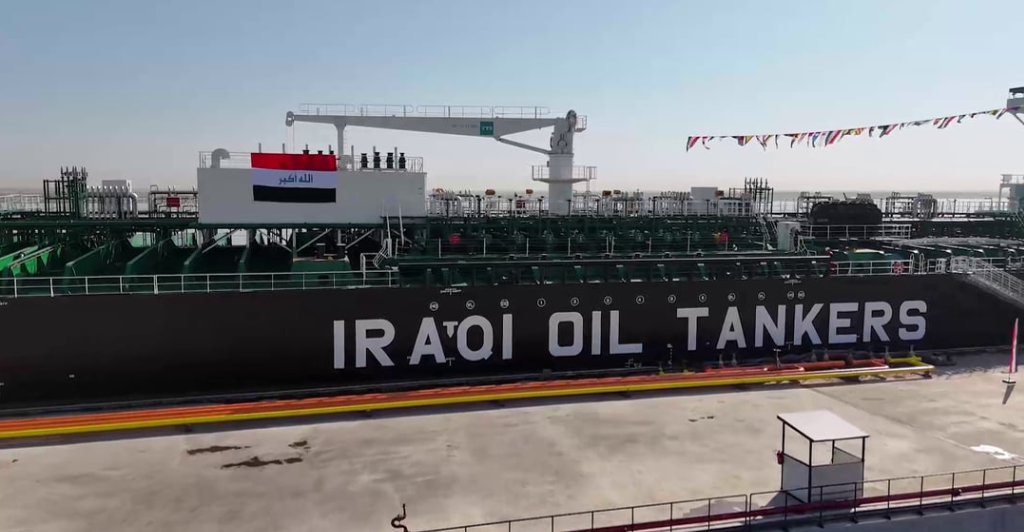
In response, the central government in Baghdad issued a formal statement on Monday. Government spokesperson Basim al-Awadi strongly condemned the recent cross-border aggression. Furthermore, he explicitly reiterated that Iraq rejects the unlawful exploitation of its borders. He emphasized that local authorities will not tolerate attacks against neighboring states.
However, Iraqi military units claim they did not detect the recent launches. Indeed, radar systems recorded no unauthorized flights inside domestic airspace during the incidents. Nevertheless, federal institutions remain fully prepared to cooperate with regional neighbors. To achieve this, they want to verify all technical data regarding the flight paths.
Ultimately, diplomatic tensions continue to mount as a direct result of these security breaches. Multiple Arab states previously summoned Iraqi ambassadors to register official protests. The international community fears a larger regional conflict if these violations continue unchecked. As a result, regional leaders must coordinate defenses to resolve this dangerous Gulf security crisis before a wider war erupts.