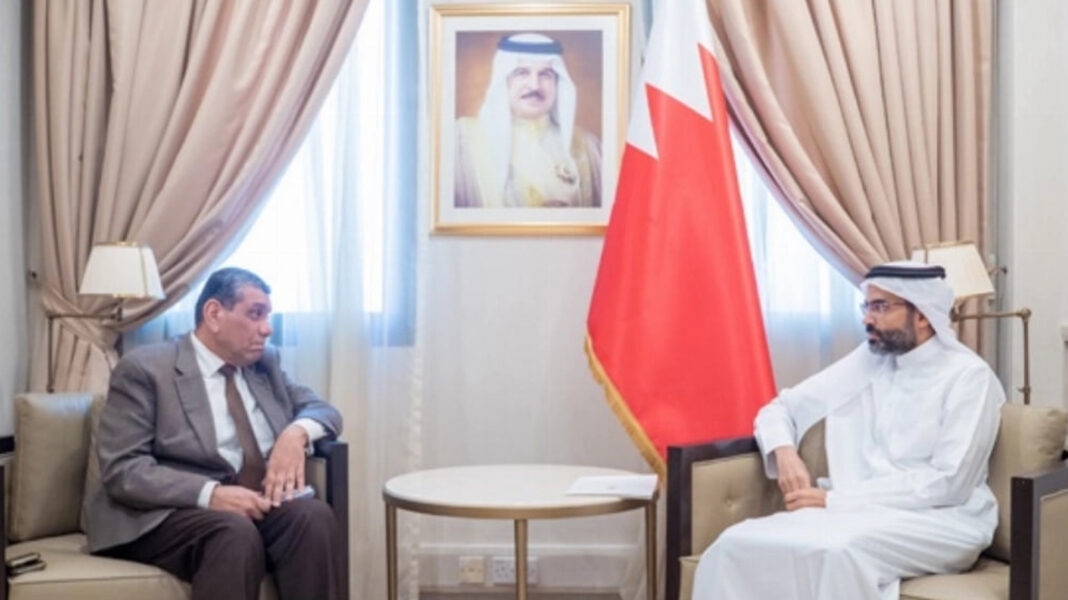
Gulf tensions rise over Iraq drone dispute as Bahrain summons Iraq’s chargé d’affaires in Manama and delivers a formal protest. Bahraini officials accuse drone attacks of targeting Gulf states from Iraqi territory. As a result, Gulf tensions rise over the Iraq drone dispute, and diplomatic pressure intensifies across the region.
Bahrain’s Foreign Ministry strongly condemned the reported attacks. Moreover, it described them as a direct threat to regional stability. Officials demanded immediate action from Iraq. They also urged stronger preventive measures to stop further incidents. In addition, Bahrain warned it reserves the right to defend its security.
Furthermore, this diplomatic escalation follows similar regional moves. Saudi Arabia recently summoned Iraq’s ambassador in Riyadh. It delivered an official protest note over continued drone threats. Authorities linked these incidents to operations originating from Iraqi territory. Consequently, tensions between Baghdad and Gulf capitals continue to grow.
Similarly, Kuwait also took earlier action. It summoned Iraq’s chargé d’affaires in late March. Officials repeated concerns over cross-border attacks. They also pointed to armed factions operating inside Iraq. Therefore, Kuwait increased pressure on Baghdad to tighten control.
Meanwhile, Gulf coordination expanded further. Six Arab states issued a joint statement last month. Kuwait, the United Arab Emirates, Bahrain, Saudi Arabia, Qatar, and Jordan joined the call. They described the attacks as a serious violation of sovereignty. Hence, they urged Iraq to act quickly and decisively.
In response, Iraq’s Foreign Ministry rejected all accusations. It stated that Iraqi territory must not be used for hostile operations. Additionally, it pledged coordination with neighboring countries. However, enforcement challenges continue to weaken implementation efforts.
At the same time, Baghdad faces internal complications. Some armed factions operate within or near official security structures. As a result, the government struggles to enforce full control. This situation increases regional anxiety and diplomatic friction.
Moreover, Gulf states argue that inaction raises security risks. They believe delays allow further escalation. Therefore, diplomatic pressure continues to build steadily. Despite this, communication channels between Iraq and Gulf states remain open.
Importantly, Iraq insists it does not support cross-border attacks. Nevertheless, neighboring governments question its capacity to prevent them. This gap between commitment and control fuels ongoing disputes.
Additionally, regional actors continue to stress international obligations. They argue Iraq must stop any use of its territory for attacks. Otherwise, they warn of further diplomatic consequences. Consequently, the issue may expand into wider regional security discussions.
Ultimately, Gulf tensions rise over the Iraq drone dispute as Bahrain’s summons signals growing frustration. The crisis now depends on Iraq’s ability to restrain armed factions and restore regional confidence.