
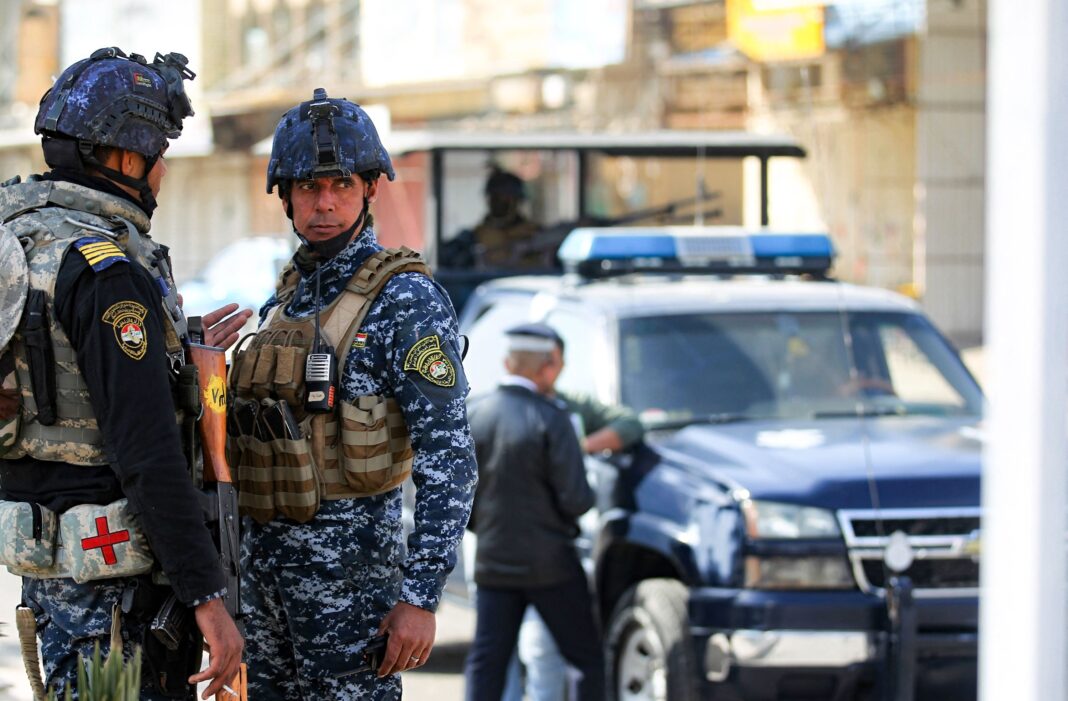
Iraqi drug trafficking convictions took center stage on Tuesday as the Najaf Criminal Court handed down severe sentences. Consequently, the court’s decision highlights Iraq’s firm stance against narcotics. Furthermore, Iraqi drug trafficking cases have increasingly drawn attention due to the growing impact of illegal substances on society.
The Najaf Criminal Court sentenced three traffickers to life imprisonment. In addition, authorities arrested the convicts after seizing 500 grams of methamphetamine. Officials also confiscated drug-use tools and an electronic scale. These items were intended for illegal sale and distribution among users.
According to the Supreme Judicial Council, the rulings align with Article 27/First of the Narcotics and Psychotropic Substances Law No. 50 of 2017. This legal framework ensures strict punishment for drug offenses. Moreover, it aims to deter criminal networks and protect communities across Iraq.
Investigators explained that the convicts were part of a larger distribution network. Their arrest followed intelligence operations targeting organized narcotics activity. Meanwhile, law enforcement agencies emphasized vigilance in monitoring both urban and rural trafficking channels.
The court’s life sentences send a strong message about Iraq’s zero-tolerance policy toward drug crimes. Legal experts noted that such rulings reinforce public confidence in the justice system. In particular, they serve as a warning to anyone attempting to engage in trafficking.
Community leaders welcomed the verdicts. They highlighted the need for continued education on the dangers of narcotics. Additionally, efforts to reduce drug use must complement law enforcement operations. Social initiatives, rehabilitation programs, and awareness campaigns are crucial alongside strict judicial measures.
Authorities also stressed international cooperation to combat narcotics smuggling. For example, cross-border monitoring and intelligence sharing help identify traffickers before substances reach local markets. As a result, Iraqi drug trafficking cases increasingly involve coordination with neighboring countries and global agencies.
Analysts say the verdict reflects Iraq’s commitment to combating organized crime. Strong sentences aim to dismantle trafficking networks systematically. Furthermore, as enforcement continues, communities hope for safer environments and reduced criminal influence.
Ultimately, Iraqi drug trafficking convictions demonstrate a determined legal system addressing one of the country’s pressing social challenges. Both enforcement and public awareness remain critical in curbing narcotics distribution and use.