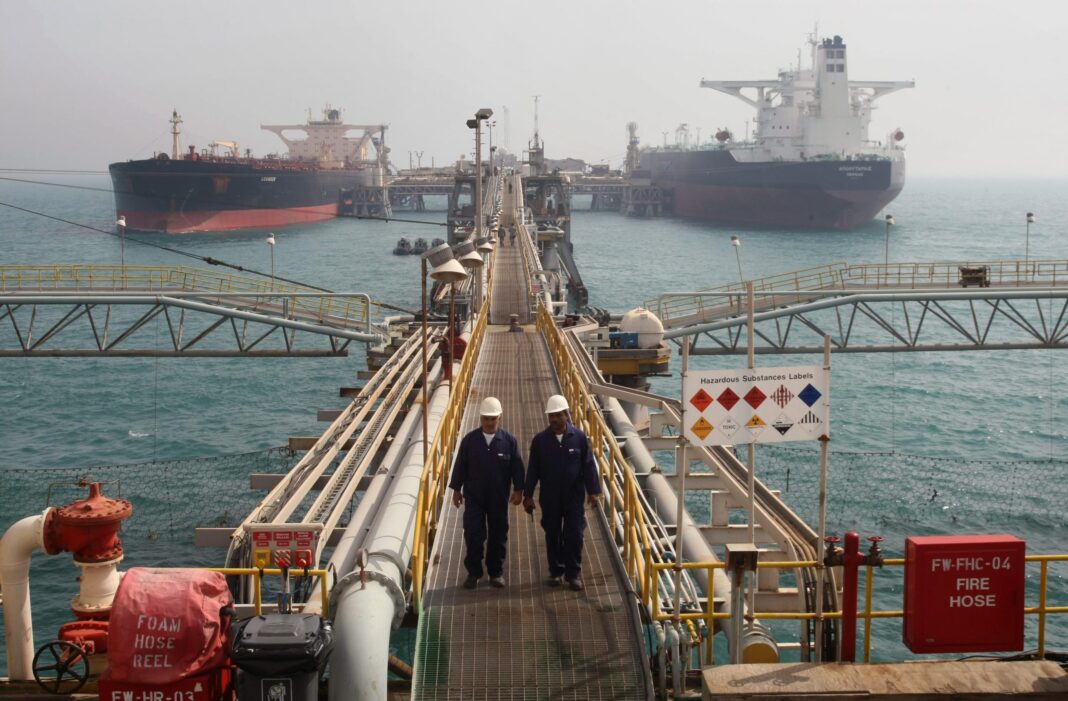
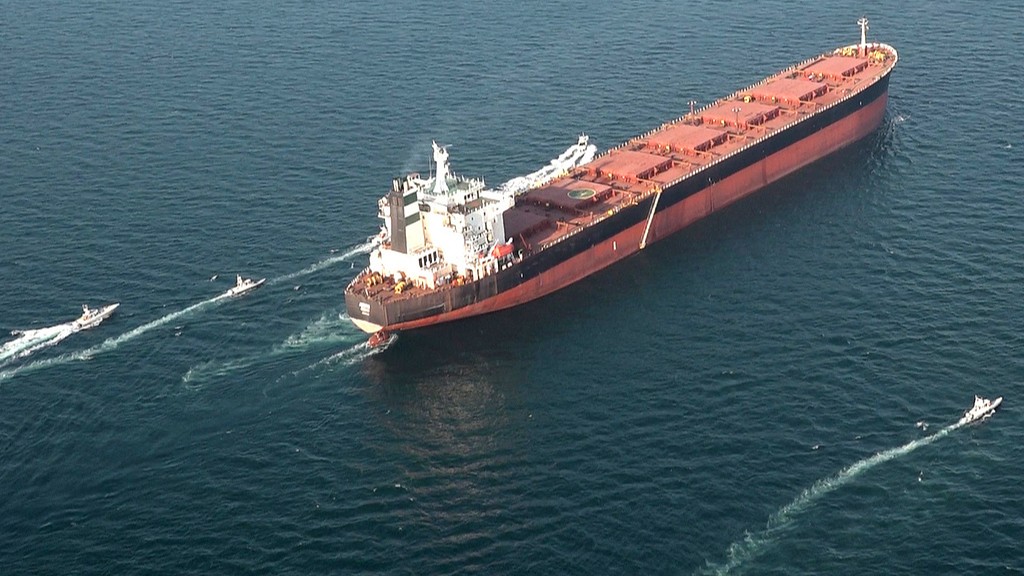
The Iraq oil export losses have reached alarming levels after months of disruptions linked to the closure of the Strait of Hormuz. As a result, the country missed major export opportunities and lost billions of dollars in revenue.
On Saturday, the Eco Iraq Observatory released new figures on the impact of the crisis. The independent research institution monitors economic and financial indicators across Iraq.
According to the observatory, Iraq exported between 103 million and 107 million barrels monthly before the disruption. However, military operations in the region later affected maritime traffic.
Consequently, the closure of the Strait of Hormuz severely reduced Iraqi oil shipments. In turn, export volumes declined sharply over several months.
The observatory estimated that Iraq failed to export around 84.39 million barrels in March. Likewise, the country missed exports of 93.11 million barrels in April.
Furthermore, Iraq lost another 92.8 million barrels in May. Meanwhile, June recorded an additional shortfall of nearly 79.6 million barrels.
Iraq missed export opportunities totaling around 350 million barrels. Therefore, the country lost an estimated $37.7 billion in potential revenue.
Analysts based their calculations on average oil prices during that period. Consequently, the financial impact became one of the largest setbacks in recent years.
Before the disruption, Iraq maintained strong export levels. In January, exports reached 3.31 million barrels per day. Moreover, February recorded 3.36 million barrels per day.
However, export figures changed dramatically afterward. In March, daily exports dropped to 549,000 barrels. Then, April recorded only 132,000 barrels per day.
In addition, May witnessed another decline. During that month, exports averaged just 96,000 barrels daily.
The Iraq oil export losses also coincided with lower production levels. According to the latest figures from OPEC, Iraqi oil output declined significantly.
Production stood at 4.18 million barrels per day in February. However, output dropped to 1.67 million barrels daily in April.
Therefore, lower production further intensified the export crisis. Moreover, reduced shipments affected state revenues and economic performance.
Meanwhile, experts continue to monitor developments across regional energy markets. They also assess the long-term consequences of prolonged disruptions.
In addition, analysts warn that continued instability could create further challenges. Iraq relies heavily on oil revenues to support public spending and development projects.
Therefore, policymakers face increasing pressure to protect energy exports and maintain economic stability. Many observers believe regional security will remain a crucial factor.
As uncertainty continues, the Iraq oil export losses highlight the importance of safeguarding critical trade routes and preserving steady energy supplies.