Iraq oil exports will recover gradually as officials prepare fields for stronger operations. Oil Minister Bassim Khudair said Iraq can carefully restart production. However, he added that output will rise step by step. Therefore, the country will avoid sudden pressure on ports and export systems.
Khudair said Iraqi oilfields now stand ready to resume operations. Moreover, the ministry wants to bring production closer to earlier levels. Officials also want to protect the stability of export schedules. As a result, Iraq will manage the restart through a gradual plan.
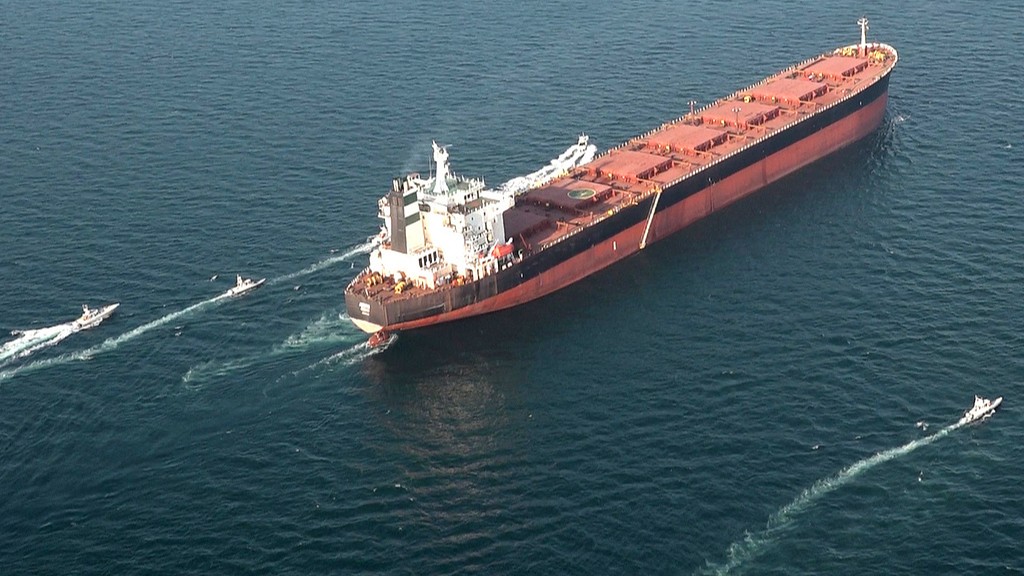
The Strait of Hormuz remains important for Iraq’s oil trade. Many southern shipments depend on safe maritime movement through that route. Therefore, any disruption can affect export plans quickly. In addition, Baghdad continues to monitor regional security risks closely.
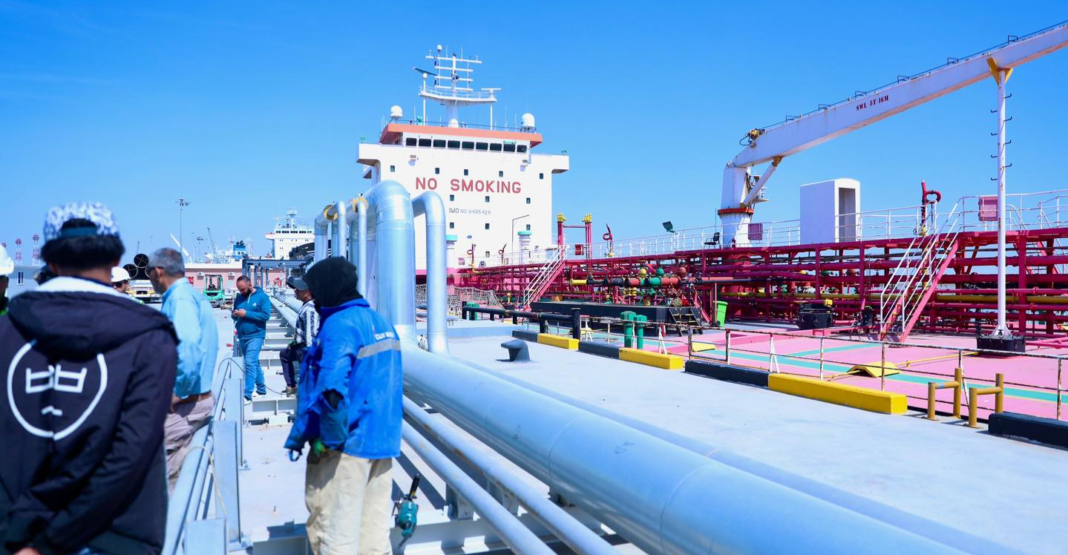
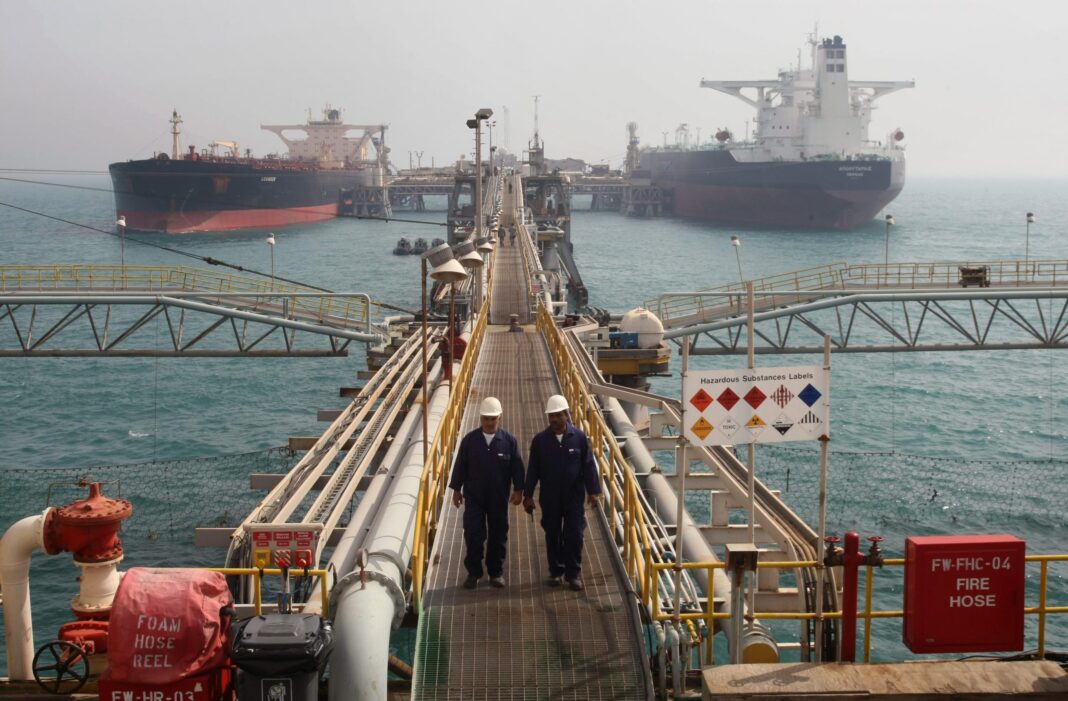
The State Organization for Marketing of Oil contacted crude buyers about new shipments. It asked clients to prepare for loading through Iraq’s southern ports. This step shows that Baghdad wants to rebuild export momentum. It also sends a message of confidence to global energy markets.
Meanwhile, Iraq’s crude shipments suffered a major collapse during the conflict period. The country lost more than 3.22 million barrels per day in exports. That drop represented more than 97 percent of normal shipment levels. Consequently, Iraq faced one of its sharpest export disruptions in recent years.
Seaborne crude shipments fell to around 96,000 barrels per day. Previously, Iraq shipped more than 3.3 million barrels per day. This sharp difference created a major revenue gap for the government. Moreover, it increased pressure on public finances and budget planning.
Oil revenue also declined heavily during the disruption. Earnings fell to around $1.87 billion during one recent reporting period. That level marked a loss of about $5 billion from normal levels. Therefore, the financial impact reached far beyond the oil sector.
Iraq depends heavily on oil income to fund state spending. The government uses oil revenues for salaries, services, and major public needs. Because of that, export losses can quickly deepen fiscal pressure. In addition, lower revenue can weaken market confidence.
However, a gradual recovery could reduce some of that pressure. More shipments would increase cash flow for Baghdad. It would also help the government manage spending more comfortably. Still, the recovery depends on safe shipping and stable port operations.
Furthermore, Iraq needs strong coordination during the restart process. Field managers, port officials, and crude buyers must work closely together. This coordination can reduce delays and protect export reliability. Moreover, it can help Iraq restore trust with energy customers.
The disruption also highlights Iraq’s heavy reliance on oil. Baghdad may face more calls to develop non-oil income sources. Nevertheless, oil remains the backbone of the national economy. Therefore, restoring exports remains an urgent priority for the government.
Overall, Iraq’s oil exports have entered a slow recovery phase after a steep decline. The restart could help ease fiscal pressure if shipping routes stay open. It could also support Iraq’s position in global oil markets. However, officials must manage the recovery carefully to avoid fresh disruptions.