The Basra-Aqaba oil pipeline has returned to the center of discussions between Iraq and Jordan as both countries seek to strengthen economic cooperation. Moreover, officials want to accelerate major projects that could boost regional connectivity. The renewed focus on the Basra-Aqaba oil pipeline comes as Iraq searches for alternative export routes during ongoing tensions in the Gulf.
Haibet al-Halbousi, Speaker of the Iraqi Parliament, recently concluded an official visit to Jordan. During the trip, he held several meetings with senior Jordanian leaders and officials.
The talks focused on strengthening bilateral relations. In addition, both sides reviewed opportunities for greater cooperation in political and economic sectors.
Furthermore, the discussions covered parliamentary cooperation and regional developments. Officials also examined ways to advance several strategic projects.
Among those projects, the Basra-Aqaba oil pipeline received significant attention. The two countries also discussed the electrical interconnection project.
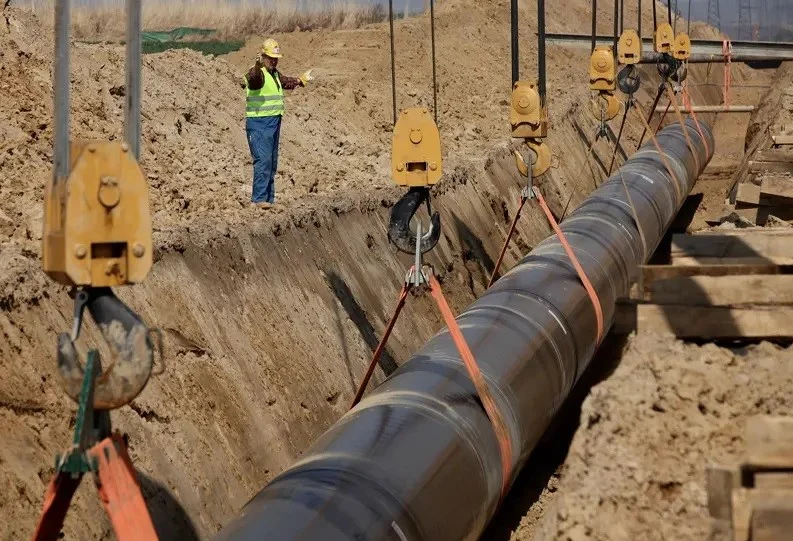
The proposed pipeline would create a new export route for Iraqi crude. Consequently, Iraq could reduce its reliance on traditional shipping channels.
The project starts in Basra in southern Iraq. It would then extend to Haditha in Anbar province. Afterward, the line would continue toward Jordan’s Red Sea port of Aqaba.
This route would provide direct access to international markets. Therefore, Iraq could strengthen its energy exports and reach European customers more efficiently.
Meanwhile, Iraqi lawmakers continue to emphasize the project’s strategic importance. In late March, Anbar Provincial Council member Adnan al-Kubaisi said parliament could move to encourage the government to implement the project.
According to al-Kubaisi, the pipeline offers major economic benefits. Moreover, it could help diversify Iraq’s oil export network.
Authorities approved the project in previous years. However, several objections delayed its implementation.
Despite those challenges, support for the project has grown recently. Officials now see the pipeline as increasingly important.
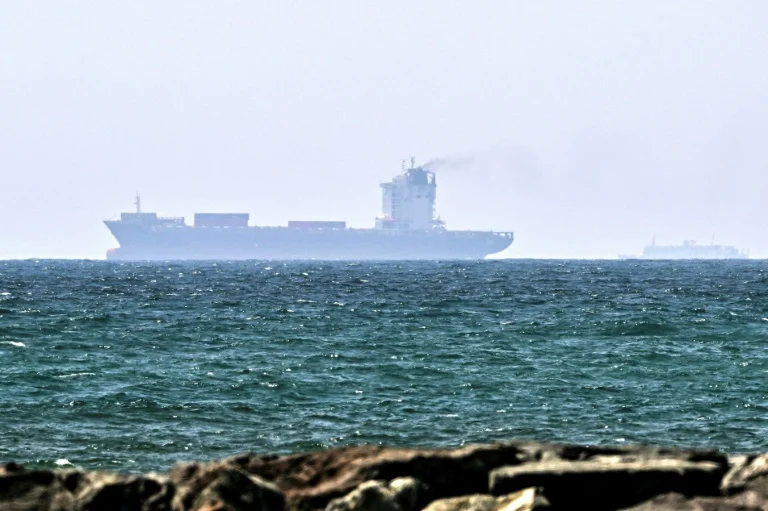
Regional developments have also increased interest in alternative export options. The Strait of Hormuz remains closed because of the continuing confrontation involving the United States, Israel, and Iran.
As a result, Iraq faces growing pressure to secure additional energy corridors. Therefore, officials have intensified efforts to revive previously delayed infrastructure projects.
The Basra-Aqaba oil pipeline could play a key role in those efforts. In addition, the project could strengthen economic ties between Baghdad and Amman.
Both countries continue to view joint investments as essential for long-term growth. Consequently, recent discussions signal renewed momentum for cooperation between the neighboring states.
Although several technical and political challenges remain, leaders from Iraq and Jordan appear determined to push forward. The renewed talks highlight the importance of strategic partnerships during a period of regional uncertainty.
As energy markets face increasing volatility, the Basra-Aqaba oil pipeline may become one of the most important projects shaping Iraq’s future export strategy.