Washington has backed Iraqi and Syrian efforts to restore a crude pipeline linking Kirkuk with Syria’s Mediterranean coast. A State Department official said the project could expand Iraq’s oil export options. Moreover, the route could reduce Iraq’s dependence on shipments through the Strait of Hormuz. American companies may also participate in rebuilding the damaged energy corridor.
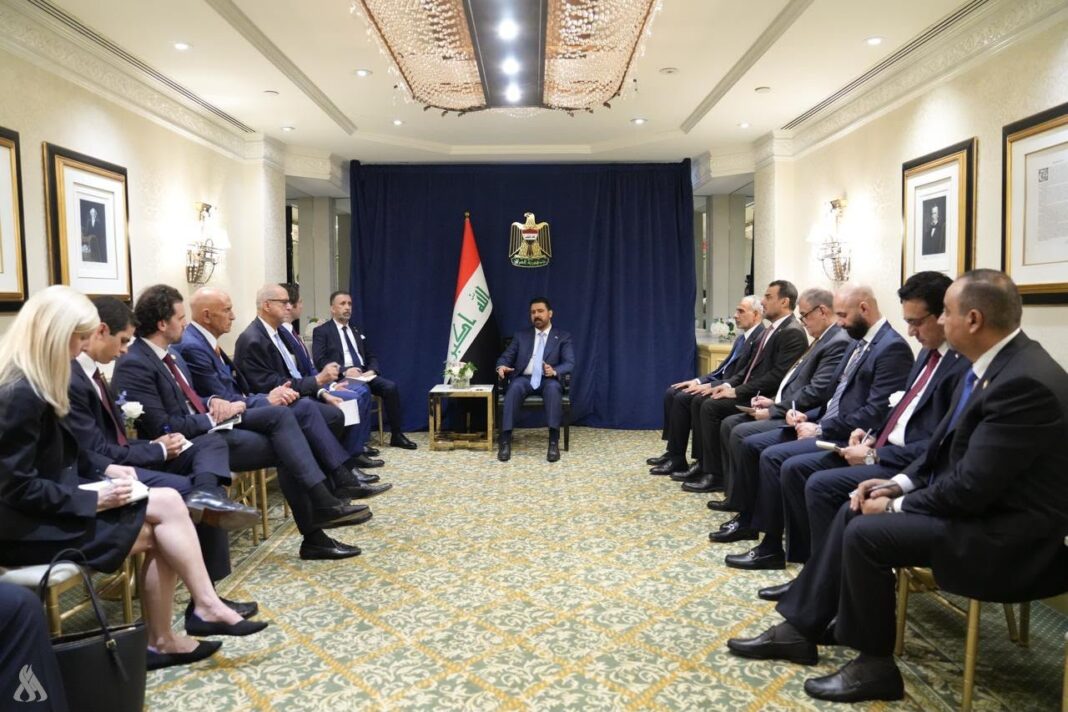
The Iraq-Syria oil pipeline would carry crude from Kirkuk to the Mediterranean port of Baniyas. U.S. envoy Tom Barrack met Iraqi, Syrian, and Chevron representatives to discuss the proposal. Representatives examined possible restoration plans and future commercial cooperation. Together, they considered technical work, investment needs, and operating arrangements.
The historic pipeline once provided Iraq with another route toward international markets. However, conflict and instability damaged large sections and stopped regular operations. Further regional disruptions prevented both countries from restoring the route. Consequently, Iraq continued relying heavily on maritime export channels.
Renewed shipping challenges have increased interest in alternative oil corridors. Oil tankers often travel through the Strait of Hormuz when carrying Gulf crude. Therefore, officials see the Mediterranean route as a strategic alternative. However, rehabilitation would require extensive funding, engineering, and security coordination.
Iraqi Ambassador Nizar al-Khairallah said the proposed capacity could reach one million barrels daily. He also proposed wider cooperation between Iraq and Syria across several energy fields. The expansion could include natural gas and electricity projects. Therefore, the pipeline could support a broader regional energy partnership.
The proposed route stretches roughly 800 kilometers between northern Iraq and Syria’s Mediterranean coast. Officials estimate the rehabilitation cost at approximately $8 billion. A specialized Iraqi team previously visited Damascus to review technical and financial requirements. Those discussions examined construction challenges, financing options, and operational plans.
Restoring the Iraq-Syria oil pipeline could strengthen energy ties between Baghdad and Damascus. The project could also attract foreign investment into both countries. Moreover, American company involvement could provide technical knowledge and financial support. Chevron’s participation in discussions highlighted private-sector interest in the proposed route.
Trump also discussed energy cooperation during his White House meeting with Iraqi Prime Minister Ali al-Zaidi. He promised major oil agreements between American companies and Iraq. Those comments signaled Washington’s interest in expanding commercial energy relations with Baghdad. Additionally, the pipeline proposal supports that wider economic approach.
Baghdad wants additional export routes that connect Iraqi crude directly with overseas buyers. The Baniyas terminal could give Iraq access to Mediterranean shipping networks. This route could support sales toward European and other international markets. Consequently, Iraq could diversify exports and reduce pressure on southern maritime channels.
For Syria, restoration could create transit income and support damaged energy infrastructure. Damascus and Baghdad continue coordinating their plans for the corridor. Both governments must agree on financing, management, security, and revenue arrangements. Furthermore, they must create reliable conditions for investors and construction companies.
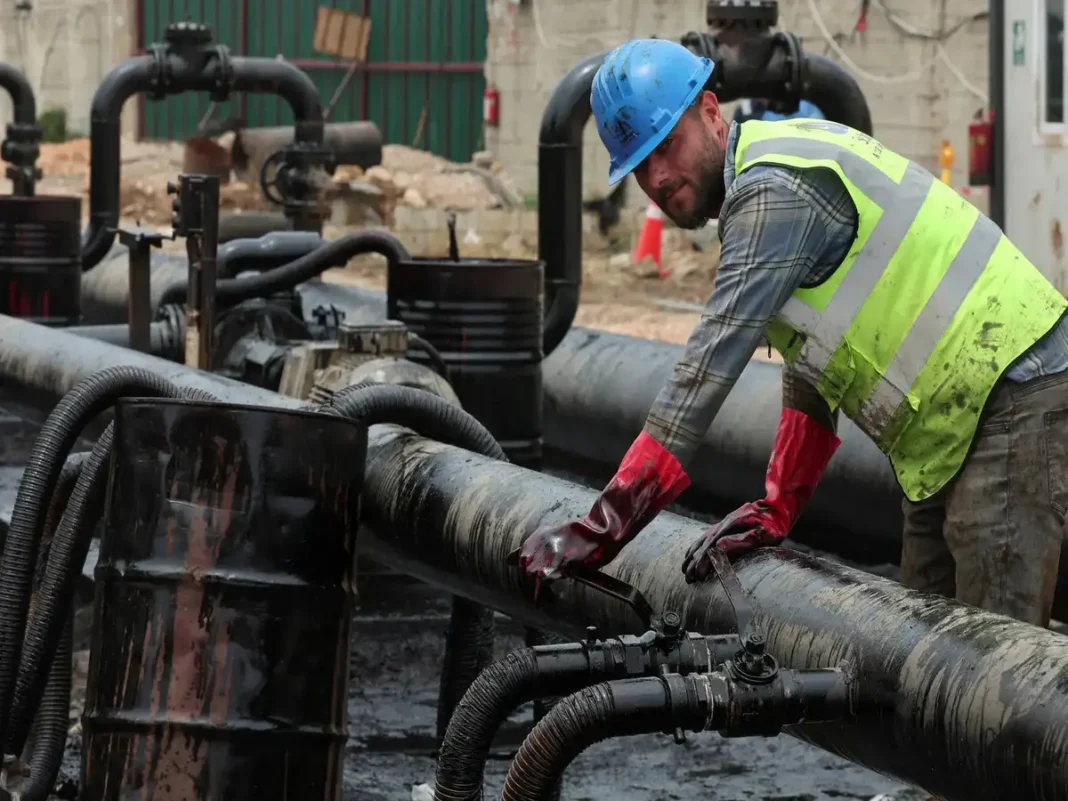
Despite strong political interest, the proposal still faces major practical challenges. Engineers must inspect damaged sections before establishing a final construction plan. Officials must also determine costs, ownership arrangements, and operating responsibilities. Security teams would need to protect the pipeline across its entire route.
The Iraq-Syria oil pipeline also carries wider geopolitical importance for Washington. U.S. officials view alternative routes as protection against possible restrictions near the Hormuz. A functioning Mediterranean corridor could limit Iran’s influence over regional shipping access. Therefore, U.S. support connects energy investment with broader regional strategy.
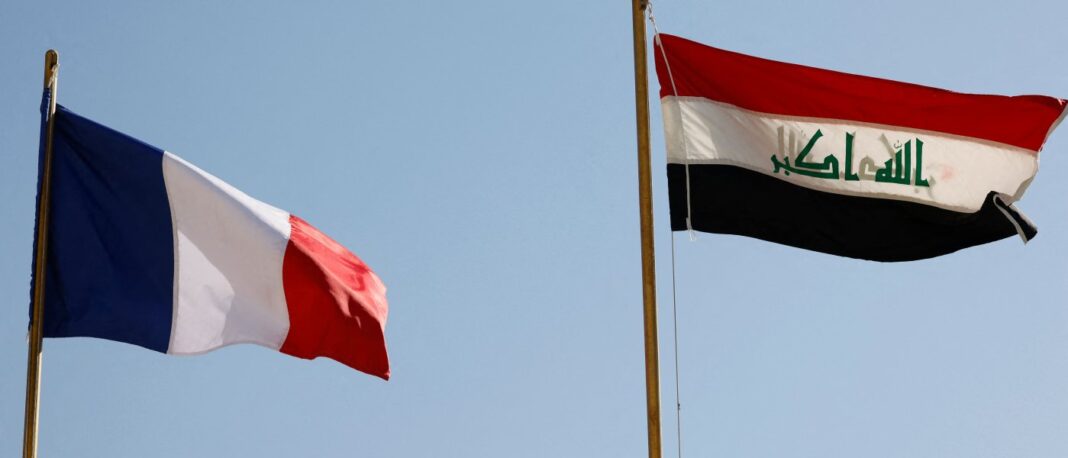
Reviving the corridor would give Iraq another path for moving crude abroad. Iraq would gain greater flexibility, while Syria could benefit from renewed energy cooperation. However, actual construction depends on technical studies, funding agreements, and political coordination. Successful restoration could reshape trade links between Iraq, Syria, and Mediterranean markets.