The Iraq conflict escalation has pushed Baghdad into urgent diplomatic and security action as regional tensions intensify. Moreover, the Iraq conflict escalation has raised fears that Iraqi territory could become a launch point for wider confrontation. In addition, the Iraq conflict escalation has forced political leaders to intervene quickly to prevent armed groups from entering the war.
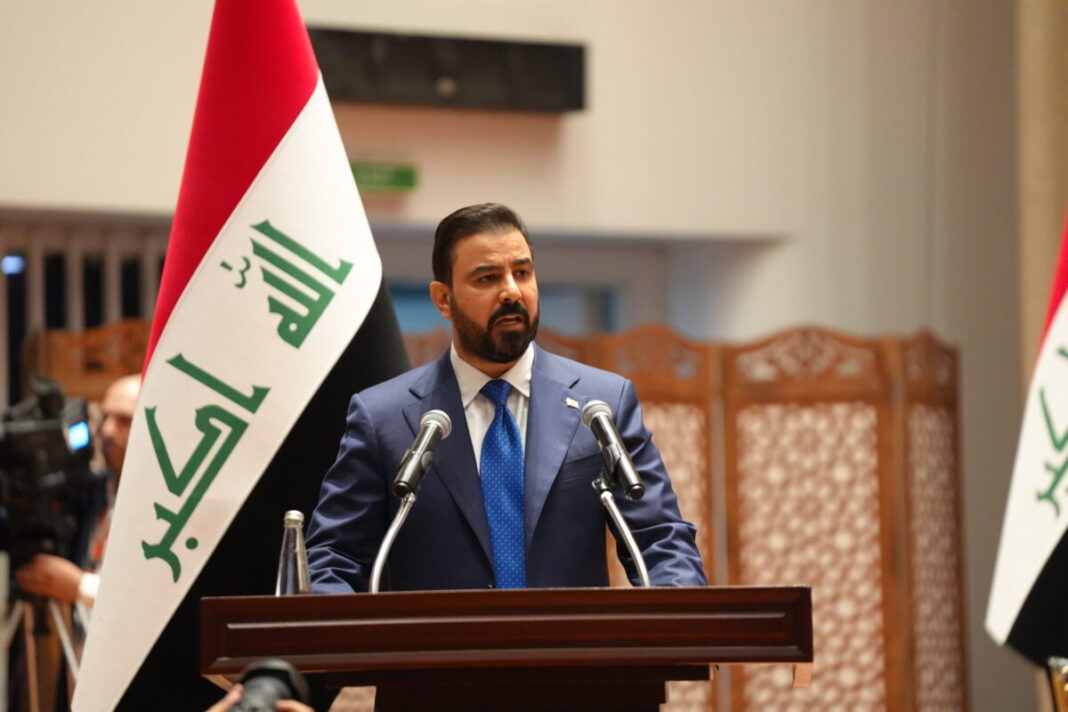
Prime Minister Ali Al-Zaidi has launched an intensive effort to prevent Iran-aligned armed factions in Iraq from joining the growing conflict between Tehran and Tel Aviv. Furthermore, informed sources confirmed that government contacts began on Sunday evening and continue without interruption.
Authorities have engaged leaders of major armed groups and affiliated formations. Consequently, officials aim to reduce the risk of military escalation from within Iraqi borders. Al-Zaidi emphasized that no group should take any action that drags Iraq into the conflict.
Additionally, he warned against any security or military steps that could expand the crisis. This warning applies even if the United States resumes direct involvement alongside Israel.
Baghdad sources also stated that the government may take legal and security measures. Therefore, any faction launching operations from Iraqi territory could face serious consequences. Officials continue to monitor developments closely.
Most political blocs within the Shiite Coordination Framework have supported this approach. Moreover, they view it as necessary to protect Iraq from further instability. As a result, internal consensus appears to favor de-escalation.
The Iraq conflict escalation also intensified after the armed group Kataib Hezbollah issued a warning. The group threatened to target U.S. military installations across the region if Washington enters the conflict alongside Israel.
This warning followed multiple waves of ballistic missile attacks launched toward Israel by Iran. In response, Iranian officials described the strikes as retaliation for Israeli bombardments on Beirut’s southern suburbs.
Meanwhile, Israeli forces conducted airstrikes on military facilities and air defense systems inside Iran. Consequently, Tehran responded with further retaliation, raising regional tensions even higher.
As a result, Iraq now faces increasing pressure to maintain neutrality. However, the presence of multiple armed factions inside the country complicates this goal. Therefore, officials continue working to prevent any unauthorized military action.
The Iraq conflict escalation highlights Iraq’s fragile position amid regional power struggles. Although Baghdad seeks stability, external conflicts continue to create internal risks. Ultimately, leaders aim to prevent Iraq from becoming a battleground for competing regional forces.