Iraq is unlikely to approve a formal federal budget for 2026 as lawmakers shift their attention to government formation and the implementation of the new administration’s program.
The Iraq 2026 budget delays have sparked debate over the country’s financial outlook. However, parliamentary officials insist that the government still has tools available to manage spending obligations and maintain financial stability.
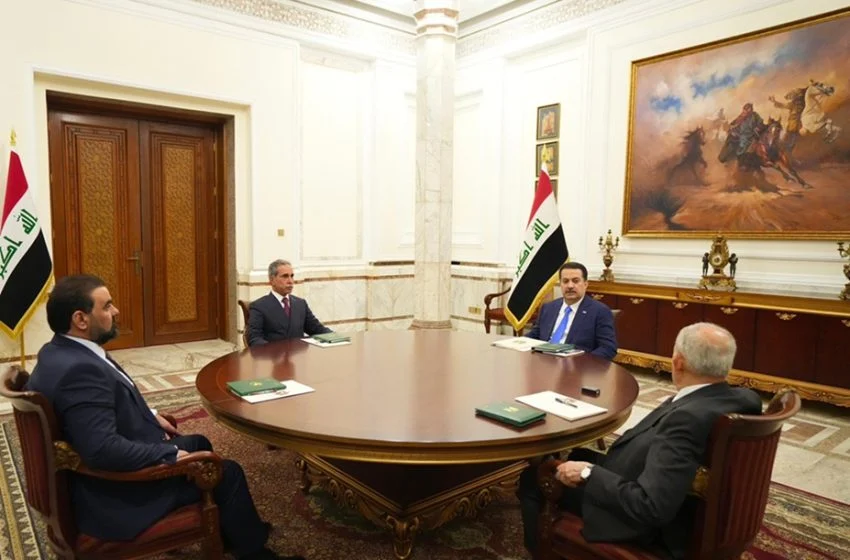
The Parliamentary Finance Committee announced on Sunday that passing a 2026 budget has become highly unlikely. Instead, lawmakers are prioritizing the completion of the government’s executive agenda and the appointment of remaining cabinet members.
According to committee members, political efforts currently focus on finalizing key ministerial positions. Consequently, budget discussions have moved down the list of legislative priorities.
Despite the Iraq 2026 budget delays, officials stressed that the state can continue meeting its financial commitments. They noted that several mechanisms remain available to address funding needs and cover public expenditures.
For example, the government can rely on domestic borrowing when necessary. In addition, authorities may seek international financing to support budget requirements.
Furthermore, officials confirmed that coordination with the Central Bank of Iraq remains an option to help manage fiscal pressures. Therefore, lawmakers believe salary payments and essential state obligations can continue without interruption.
The Iraq 2026 budget delays come amid growing concerns about the country’s financial position. Earlier on Sunday, Foreign Minister Fuad Hussein warned of increasing economic risks linked to ongoing regional developments.
According to Hussein, Iraq has faced significant liquidity pressures in recent months. He revealed that authorities printed 25 trillion Iraqi dinars to help address cash shortages and support financial operations.
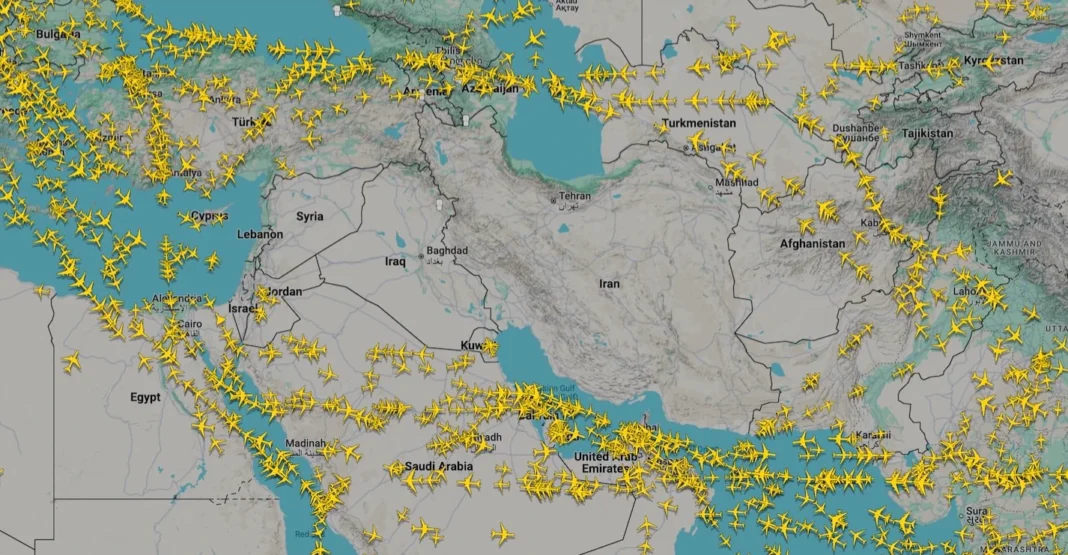
Moreover, Hussein warned that prolonged disruptions affecting the Strait of Hormuz could create additional economic challenges. Since Iraq relies heavily on oil exports, any extended interruption could reduce government revenues and increase fiscal pressure.
As a result, the foreign minister called for stronger diplomatic engagement with Gulf countries and Western partners. He argued that deeper international cooperation could help Iraq secure financial support if conditions worsen.
Meanwhile, economists continue to monitor the impact of regional instability on Iraq’s public finances. Many experts believe export disruptions represent one of the biggest risks facing the economy.
Consequently, the Iraq 2026 budget delays have added another layer of uncertainty to the country’s financial outlook. While officials remain confident in available funding options, the absence of a formal budget could complicate long-term planning.
Ultimately, Iraq’s ability to navigate these challenges will depend on stable oil revenues, effective fiscal management, and continued efforts to strengthen economic resilience.