The southern Iraq highway crash has once again exposed dangerous road conditions and weak traffic enforcement in the country. Moreover, the southern Iraq highway crash left dozens dead and injured after a violent collision triggered a massive fire near Dhi Qar. In addition, the southern Iraq highway crash highlights long-standing concerns about transport safety across Iraq’s main routes.
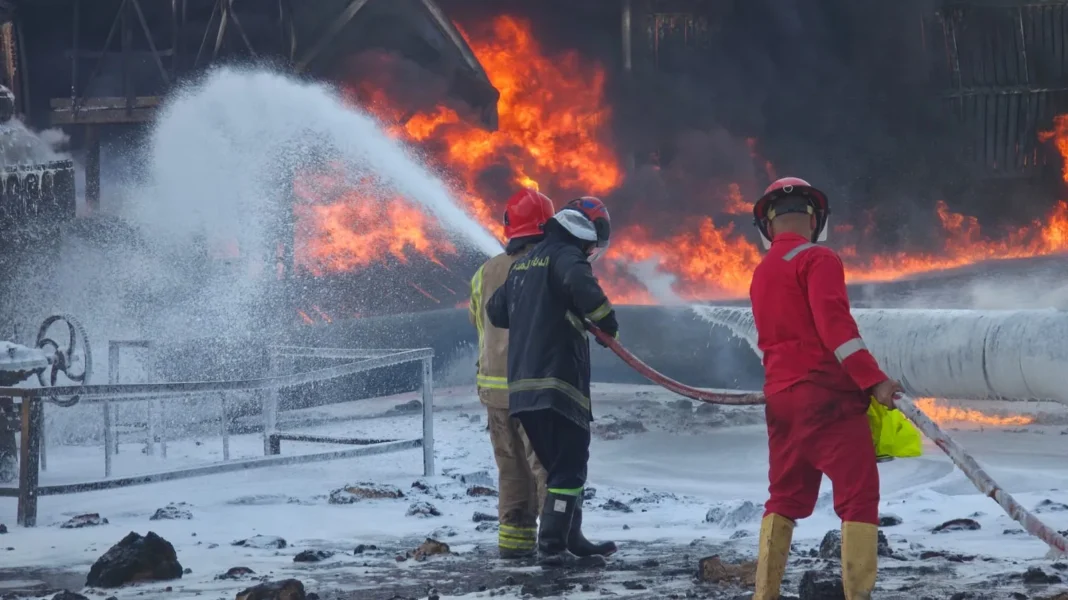
On Sunday, a passenger bus collided with a fuel truck on the highway between Nasiriyah and Basra. Consequently, the impact caused a powerful explosion that engulfed both vehicles in flames. Authorities confirmed that 21 people died at the scene.
All victims were Iraqi nationals. Meanwhile, 19 others sustained injuries. Among them, 17 were Iraqis, and two were Iranian pilgrims. Several injured passengers suffered severe burns.
The bus carried Shiite pilgrims returning from Najaf and Karbala. Furthermore, they were heading back to Basra after completing their religious journey. The collision abruptly ended their trip in tragedy.
Traffic officials reported that excessive speeding caused the driver to lose control. As a result, the bus overturned before the fire broke out. Therefore, investigators continue to examine the full sequence of events.
Emergency teams rushed to the scene immediately. In addition, medical units transported the injured to nearby hospitals for urgent treatment. Authorities ordered all available resources to support recovery efforts.
The southern Iraq highway crash also renewed debate about road safety in Iraq. For years, officials have warned about rising fatal accidents across major highways. However, improvements remain slow and inconsistent.
Iraq’s road network suffers from long-term neglect. Moreover, decades of conflict and underfunding weakened infrastructure across the country. Consequently, many highways lack proper safety standards.
Traffic law enforcement also remains weak. Additionally, drivers often ignore speed limits and safety rules. Therefore, accidents continue to occur at alarming rates.
Experts point to several causes behind repeated tragedies. For example, poor road maintenance contributes to unsafe driving conditions. Furthermore, reckless driving and speeding increase the risk of fatal collisions.
The southern Iraq highway crash adds to a growing list of deadly road incidents in the country. Although authorities promise reforms, progress remains limited. Meanwhile, families continue to suffer preventable losses on dangerous roads.
Officials have launched an investigation into the incident. Additionally, they aim to determine accountability and improve safety measures. However, many citizens remain skeptical about rapid change.
Prime Ministerial directives called for urgent medical support. Therefore, hospitals mobilized to treat victims and stabilize critical cases. Rescue operations continued for hours after the accident.
Ultimately, the tragedy underscores a persistent national challenge. Iraq continues to struggle with road safety despite repeated warnings. As a result, the latest disaster reignites urgent calls for infrastructure reform.