An Iraqi economic reform drive has gained rare political consensus in Baghdad as leaders confront rising debt and structural financial pressure. The Iraq economic reform drive now shapes national debate on currency policy, state ownership, and corruption. Moreover, the Iraqi economic reform drive reflects a broader attempt to redesign Iraq’s economic foundation.
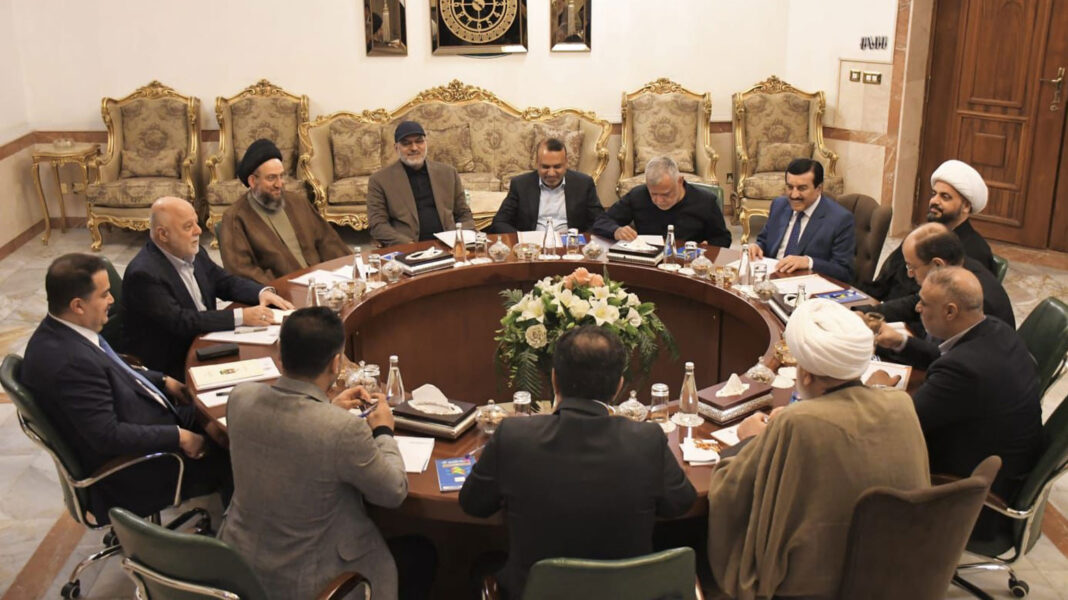
An exclusive report published on June 10, 2026, revealed unusual unity within the ruling Coordination Framework. Political factions gathered at the Jadiriyah residence of Ammar al-Hakim, where they reviewed a sweeping reform proposal presented by Ali Falih al-Zaidi. The participants expressed broad support for the plan, which aims to reshape Iraq’s financial system and reduce long-term economic dependency.
The proposed strategy seeks to move Iraq away from its rentier economic structure. It also challenges long-standing reliance on state-centered distribution models. In addition, it addresses a mounting public debt burden that now exceeds 83 billion dollars. Officials argue that immediate intervention is necessary to prevent deeper fiscal instability.
A central element of the plan involves adjusting the official US dollar exchange rate. This approach marks a reversal of earlier stabilization measures introduced under Mohammed Shia al-Sudani. Supporters of the change claim that the previous policy increased state spending pressures and widened the fiscal deficit.
The discussion also reflects concerns raised by Fuad Hussein, who warned earlier about severe liquidity stress. He highlighted risks linked to large-scale currency issuance and its impact on government salary obligations. These warnings intensified pressure on policymakers to adopt corrective measures.
Debt restructuring remains another major focus of the reform package. Iraq currently carries more than 96 trillion Iraqi dinars in domestic debt, along with billions in external liabilities. As a result, the government is exploring ways to restructure state-owned enterprises and transfer struggling assets into private or joint management models.
However, this direction has sparked caution among economic experts. Nabil al-Marsoumi warned that weak oversight could turn privatization into a source of further economic damage. He noted that undervaluation of state assets could create large gaps between market value and sale prices. Consequently, he stressed that corruption risks may rise if reforms proceed without strict regulation.
At the same time, the government is launching an aggressive asset recovery campaign. Officials expect to reclaim up to 50 billion dollars through anti-corruption measures led by a newly established integrity authority. This effort aims to recover funds allegedly misappropriated over previous years and strengthen public finances.
Early enforcement actions have already begun to support this approach. Authorities have carried out arrests and issued court rulings in high-profile corruption cases, signaling a more assertive legal strategy. These developments suggest a broader shift toward stricter accountability within state institutions.
Economic reform is also closely linked to security policy. The government has emphasized that foreign investment, estimated at up to 50 billion dollars, depends on stronger state control over armed groups. Investors continue to demand a unified security environment before committing capital.
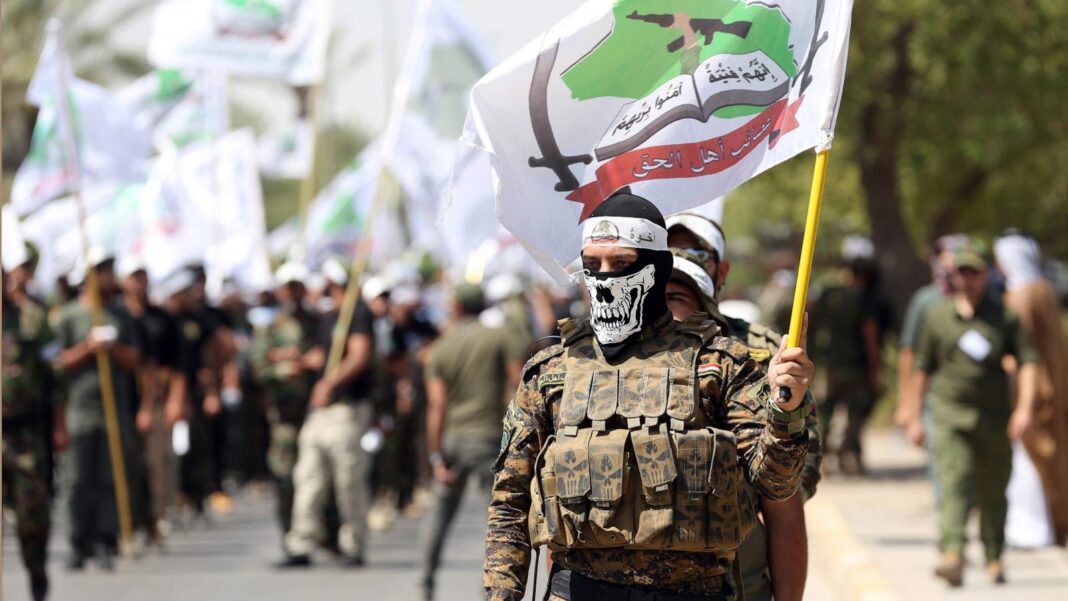
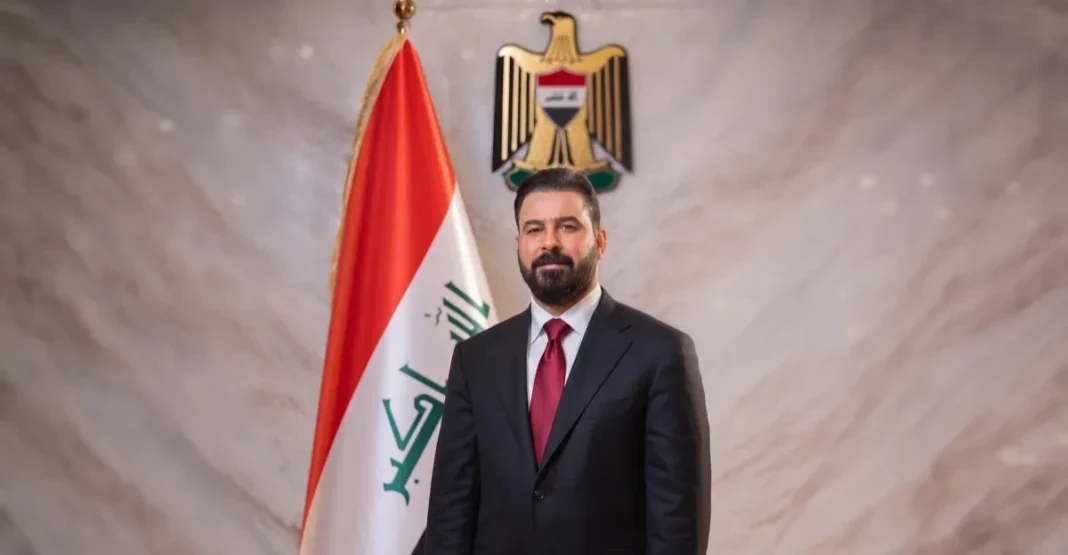
Prime Minister al-Zaidi has reinforced the need for centralized military authority. He has stated that fragmented armed structures cannot coexist with a functioning open-market economy. Despite resistance from some factions, officials insist that security integration remains essential for economic recovery.
Coordination Framework representative Amer al-Fayez confirmed that legislative support is in place to advance reforms. He stated that banking laws and financial regulations require urgent modernization to attract international investment and improve economic stability.
The Coordination Framework has since issued a statement confirming full political, legislative, and media backing for the reform program. It also pledged to accelerate government appointments and address structural challenges in electricity and employment.
The Iraqi economic reform drive now stands at a decisive moment, with political unity providing rare momentum for one of the most ambitious economic overhauls in recent years.