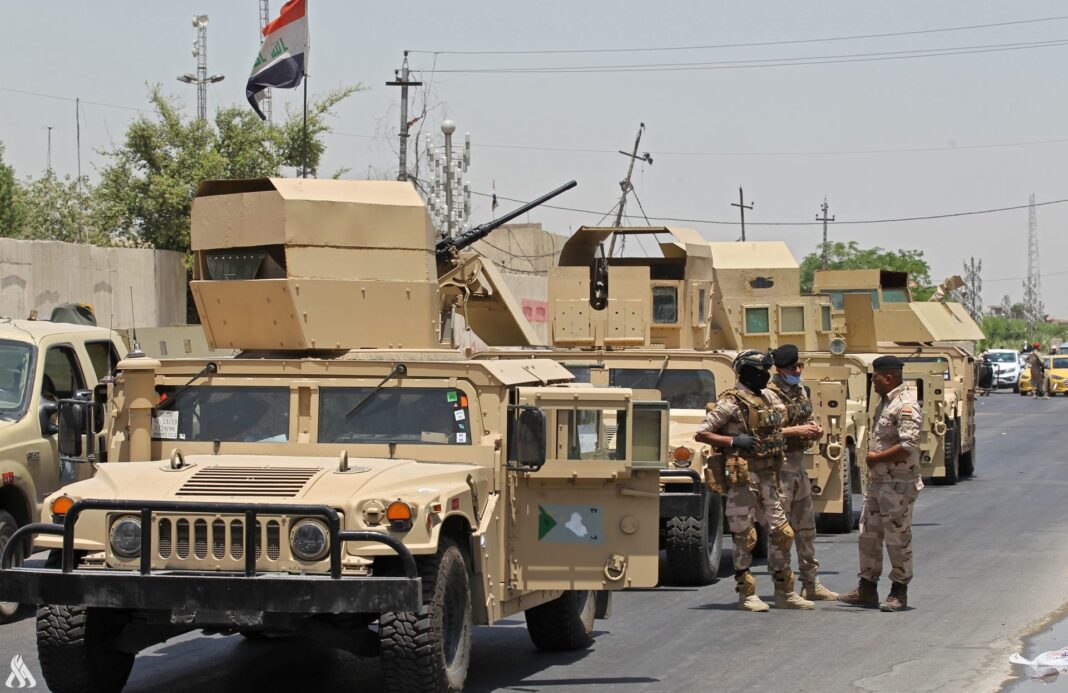
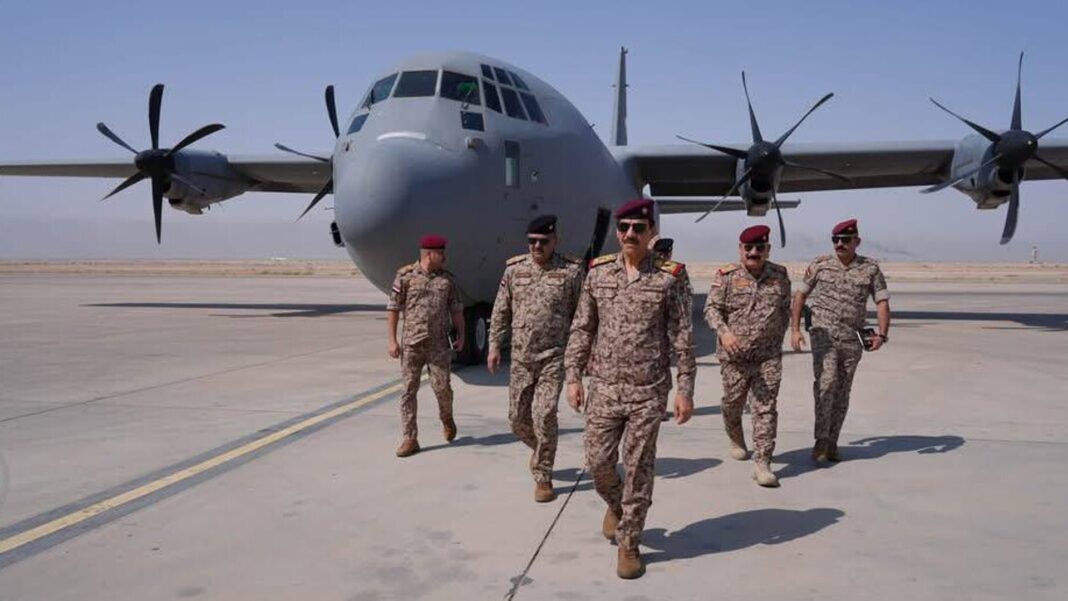
Iraq’s army chief led a senior delegation to the Naval Force Command in Basra. The Iraqi Navy inspection followed a fatal shooting involving an Iraqi fishing vessel and Kuwaiti forces. Lieutenant General Abdul Amir Rashid Yarallah headed the unannounced field visit. The delegation examined naval readiness and security across Iraq’s southern waters.
Senior officers from the Joint Operations Command also joined Yarallah during the deployment. They reviewed fleet readiness, territorial defense measures, and operational plans within the Basra sector. Moreover, commanders assessed how naval units could respond to future maritime incidents. The visit carried added significance because tensions had already risen between Iraq and Kuwait.
The crisis began near Buoy No. 5 in the Fao maritime sector. Iraqi accounts said Kuwaiti Coast Guard personnel opened fire on a wooden fishing vessel. The shooting killed Captain Najm Abdullah and seriously wounded fisherman Thaer, according to those accounts. Reports said Thaer suffered a head injury that caused permanent paralysis.
Kuwaiti authorities offered a different account of the encounter. They told Iraqi naval officials that the boat crossed into Kuwaiti territorial waters. They also maintained that the incident occurred entirely within Kuwait’s maritime boundary. However, Iraqi officials rejected the use of lethal force against civilian fishermen.
Iraqi Naval Commander Lieutenant General Mazen Abdul Wahid Kabian condemned the shooting. He argued that a possible border crossing could never justify gunfire against unarmed civilians. Furthermore, he called the incident a violation of basic maritime procedures. His comments increased pressure for clearer safety rules within the shared waterway.
Prime Minister Ali Falih al-Zaidi instructed diplomatic and military officials to pursue the case. He demanded legal action and stronger security measures against future cross-border violations. Consequently, the Iraqi Navy inspection focused on both readiness and territorial protection. The government also sought closer coordination between naval and diplomatic authorities.
Meanwhile, the shooting triggered public anger across southern Iraq. Hundreds of protesters gathered near Kuwait’s consulate in central Basra. They demanded the expulsion of the Kuwaiti consul and an end to maritime harassment. Protesters also called for official compensation and stronger government action.
Federal riot police formed a security perimeter around the diplomatic compound. They placed concrete barriers nearby and closed major roads leading toward the consulate. These measures aimed to protect the mission and prevent protesters from entering. Despite the anger, security forces maintained control around the area.
At the diplomatic level, Kuwait presented Iraqi officials with video footage of the encounter. Kuwaiti representatives said low visibility contributed to an unintended, deadly outcome. Iraqi officials began reviewing that account alongside other evidence from the incident. However, Baghdad continued to challenge any justification for firing on the vessel.
Foreign Minister Fuad Hussein raised the crisis during urgent talks in Kuwait City. National Security Adviser Qasim al-Aboudi and Basra Governor Asaad al-Eidani joined him. The Iraqi delegation demanded accountability, the crew’s release, and the victim’s return. Moreover, officials sought guarantees against similar incidents in the future.
The talks secured freedom for the remaining crew members, according to Iraqi officials. Kuwait also returned Najm’s body to Iraq following the negotiations. Nevertheless, both countries still face pressure to address the deeper maritime tensions. Families and fishing communities also want stronger protection across the shared waters.
Iraq’s Foreign Ministry called for a direct communication system between both naval forces. The system would allow commanders to address navigation problems before tensions escalate. Additionally, officials want both sides to develop clearer safety and warning procedures. Such measures could reduce misunderstandings and protect civilians operating near the maritime boundary.
Yarallah’s visit to Basra, therefore, combined military oversight with a broader diplomatic message. Iraq wants to protect its fishermen while avoiding another dangerous regional confrontation. However, future stability will depend on transparent investigations and effective naval coordination. Clear communication could prevent another deadly encounter and ease tensions between the neighbors.