The Najaf Saudi border crossing could create a new economic route between Iraq and Saudi Arabia. Najaf Governor Yousif Gannawi announced the plans on Sunday as the province seeks stronger trade and investment.
According to Gannawi, Iraqi Prime Minister Ali Falih Al-Zaidi has already approved the proposed crossing. However, Iraqi authorities now await final approval from Saudi Arabia before moving forward.
Gannawi said the new route would strengthen commercial ties between Najaf and Saudi Arabia. Furthermore, the crossing could support economic growth and attract additional investment to the southern Iraqi province.
The planned crossing would create another trade and travel corridor between Iraq and Saudi Arabia. Consequently, officials hope it will increase commercial movement and strengthen economic cooperation between both countries.
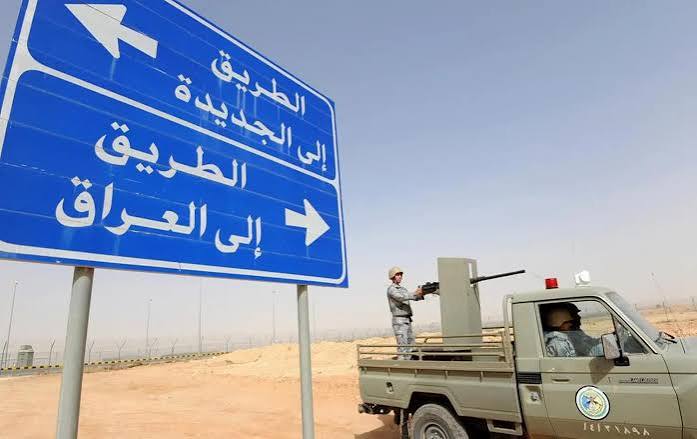
Currently, the Arar border crossing serves as the main land route between Iraq and Saudi Arabia. Thousands of Iraqi pilgrims also use the crossing during the annual Hajj season.
Moreover, Arar handles commercial trade between both neighbouring countries. The Jumaimah crossing in Muthanna province also provides another border connection with Saudi Arabia.
Iraq and Saudi Arabia agreed to reopen Arar in 2019 after nearly three decades of closure. The crossing had remained closed following the 1991 Gulf War.
Its reopening formed part of wider efforts to restore diplomatic and economic relations between Baghdad and Riyadh. Since then, both countries have pursued stronger political, investment and commercial cooperation.
The proposed Najaf Saudi border crossing comes as senior Iraqi and Saudi officials discuss expanding bilateral relations. Iraqi Foreign Minister Fuad Hussein met Saudi Foreign Minister Prince Faisal bin Farhan Al Saud in Riyadh on Sunday.
During the meeting, both officials discussed bilateral relations and regional security developments. Additionally, they reviewed the impact of recent regional conflicts on wider stability.
Hussein stressed the importance of expanding economic cooperation and attracting investment. He also highlighted stronger energy partnerships and greater political and security coordination between Baghdad and Riyadh.
Meanwhile, Najaf authorities are also working to improve the province’s transport infrastructure. Gannawi said Najaf International Airport expects to receive its official operating licence next week.
The governor said the province had successfully addressed all 74 violations previously recorded against the airport. Therefore, Iraq’s Civil Aviation Authority could soon issue the long-awaited official licence.
Additionally, Najaf plans to expand its energy sector through several new oil projects. The province currently has three oil fields with further development plans underway.
Gannawi said workers have already drilled two wells at the Qarnayn oil field. According to the governor, the field produces high-quality crude oil.
Furthermore, initial indications suggest the site may also contain natural gas reserves. These potential resources could further strengthen Najaf’s growing energy sector.
The governor believes oil development and improved trade connections could increase local revenues. Moreover, new projects could create additional employment opportunities for residents across the province.
Najaf remains one of Iraq’s most important religious destinations and attracts millions of visitors. However, provincial authorities increasingly seek to diversify the local economy beyond religious tourism.
Therefore, officials are focusing on transport, energy, investment and international trade projects. Better infrastructure could also help Najaf attract domestic and foreign companies.
The Najaf Saudi border crossing could become a significant part of these economic ambitions. Its opening would provide Najaf with more direct commercial access to the Saudi market.
However, the project still requires approval from Riyadh before implementation can proceed. Iraqi officials have not yet announced a proposed opening date for the crossing.
As Baghdad and Riyadh continue strengthening bilateral relations, economic cooperation remains a major priority. Najaf now hopes the proposed border route will support trade, jobs and long-term provincial development.