The Iraq oil export crisis continues to reshape government priorities amid regional instability. The Iraq oil export crisis now pushes leaders to secure alternative routes for crude transport. Therefore, officials have accelerated efforts to complete strategic energy infrastructure projects.
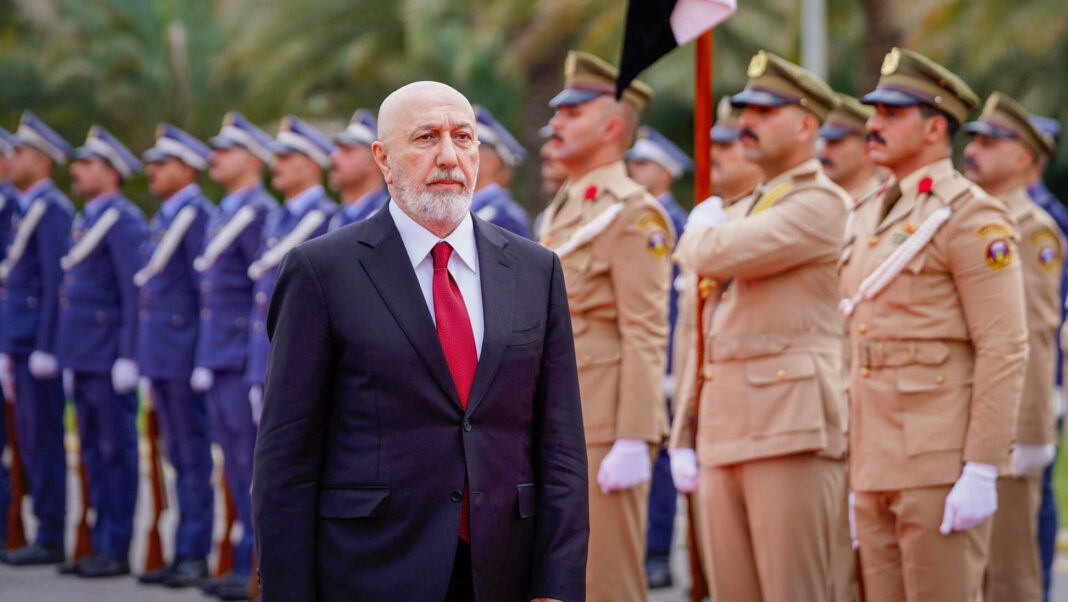
Prime Minister Mohammed Shia’ al-Sudani announced a new step on Sunday. He ordered the formation of a special commission to oversee the Basra–Haditha pipeline project. He described the move as proactive due to ongoing regional tensions. Moreover, he stressed the need to prepare for sudden disruptions in oil exports.
During the meeting, senior officials reviewed key developments in the project. The oil and industry ministers attended alongside technical advisers. They discussed progress on two major contracts tied to the pipeline. One agreement, signed in August 2024, involves the Basra Oil Company and the Oil Projects Company. Another contract, signed in January 2025, links the Oil Projects Company with the State Company for Iron and Steel.
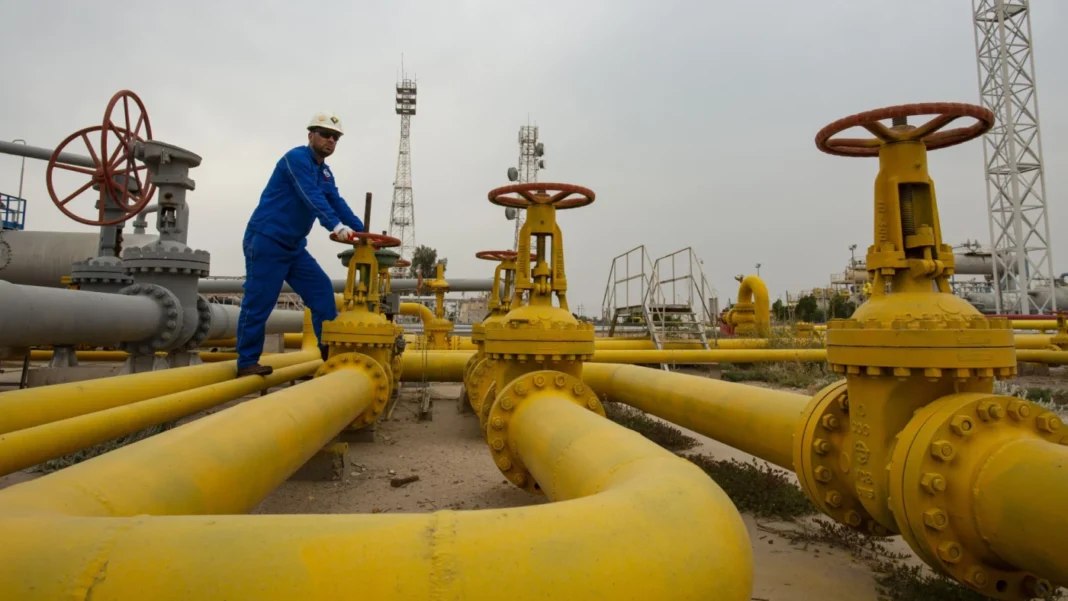
Sudani emphasized that the pipeline will expand Iraq’s export flexibility. He explained that it will allow crude shipments to Turkey’s Ceyhan Port. In addition, it will support flows to Baniyas Port and Aqaba Port. At the same time, the pipeline will supply refineries across central and northern Iraq. As a result, officials expect increased production capacity under changing conditions.
The Iraq oil export crisis intensified after the recent regional conflict disrupted key trade routes. Exports dropped sharply in March, reaching only 18.6 million barrels. This figure generated just over $1.95 billion in revenue. By contrast, February exports exceeded 99 million barrels. The sudden decline followed the effective closure of the Strait of Hormuz. This route serves as Iraq’s main southern export corridor.
Due to this disruption, Iraq reduced production and searched for alternatives. Authorities increased flows through the Kirkuk-Ceyhan pipeline. Meanwhile, Iraq shipped fuel oil through Syria’s Baniyas port for the first time toward European markets. These steps show how urgently officials are adapting to new conditions.
Oil revenues remain critical for Iraq’s economy. They account for nearly 90 percent of total state income. Therefore, restoring full export capacity stands as a top government priority. The Iraq oil export crisis highlights the risks of relying on limited routes. Consequently, the Basra–Haditha pipeline could play a decisive role in strengthening energy security.