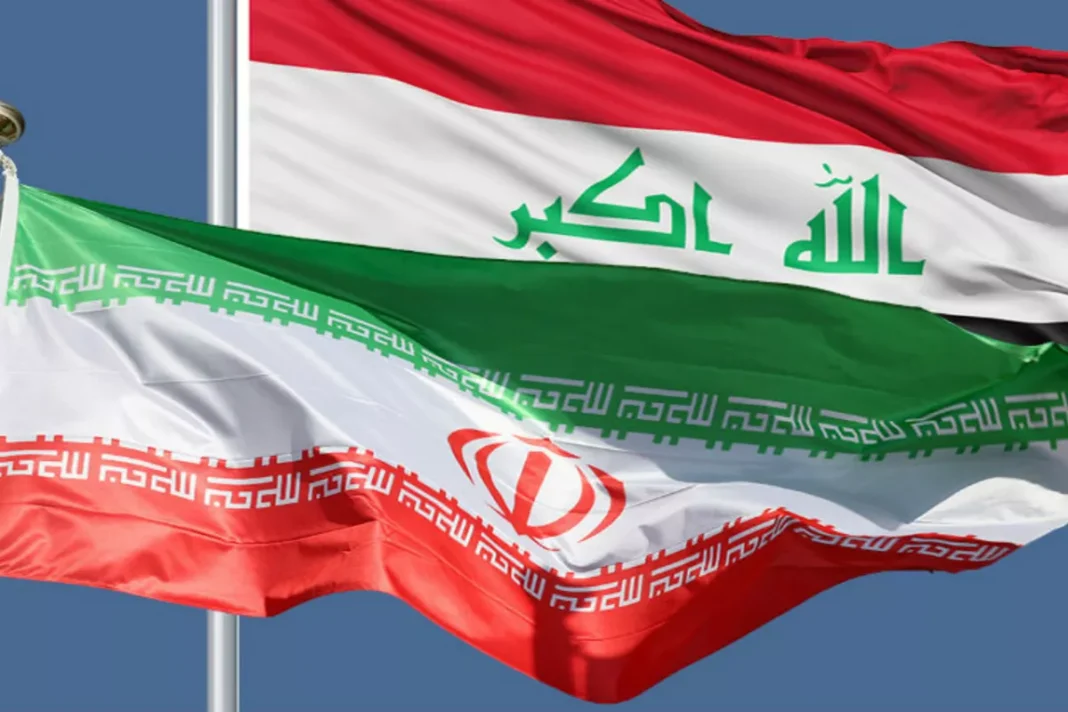
Iraq and Iran are moving forward with a new Iraq-Iran trade exchange to strengthen economic ties. This initiative aims to expand cooperation and boost bilateral commerce in the coming years.
According to Yahya al-Isaac, officials are designing a system for exchanging commodities and services. He explained that this plan supports the chamber’s strategic goals for 2026. Moreover, leaders want to improve business connections between the two countries.
Iraq remains one of Iran’s most important non-oil export markets. Each year, Iraq imports goods, engineering services, and energy worth billions of dollars. Therefore, both sides see strong potential to expand trade further.
At the same time, Isaac described the relationship as strategically important for both economies. He emphasized that cooperation goes beyond trade and includes regional stability. Furthermore, both countries continue to build partnerships that support long-term growth.
In addition, collaboration has already delivered several economic benefits. It has created jobs, improved infrastructure, and encouraged investment across multiple sectors. As a result, stronger ties have increased economic integration between the two neighbors. Shared cultural and religious links also support smoother business interactions.
However, challenges still slow progress. For instance, trade imbalances and bureaucratic barriers remain key concerns. Sanctions also create obstacles for financial transactions and business operations. Therefore, policymakers now focus on practical solutions.
To address these issues, officials plan several new initiatives under the Iraq-Iran trade exchange framework. First, they aim to introduce a barter system for goods and services. This approach could reduce reliance on traditional financial channels.
Next, leaders are working on a joint investment platform. This platform would encourage cross-border projects and attract new investors. In addition, they plan to establish a financial settlement system to support merchants.
Moreover, both sides want to accelerate export procedures to Iraq. At the same time, they seek to simplify import processes into Iran. These steps could reduce delays and improve efficiency in trade operations.
Ultimately, the chamber aims to increase bilateral trade to $20 billion annually. Officials believe that the Iraq-Iran trade exchange will play a key role in reaching this target.
In conclusion, Iraq and Iran continue to deepen their economic partnership through practical reforms. While challenges remain, ongoing efforts signal a clear push toward stronger and more resilient trade relations.