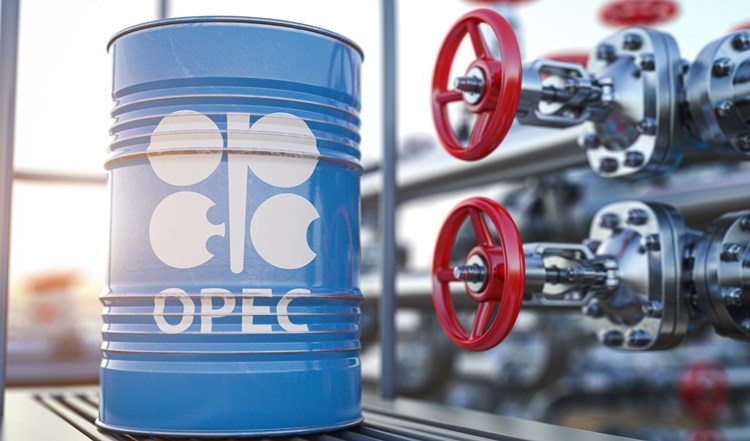
The OPEC+ output hike will continue as eight alliance members, including Iraq, plan to raise crude oil production. This group, led by Saudi Arabia, aims to increase supply despite previous efforts to cut output and stabilize prices. The decision reflects a clear shift in strategy among major producers.
The OPEC+ output hike comes after the alliance began production cuts in 2022 to support higher prices. However, Saudi Arabia and seven other members surprised markets by announcing significant production increases starting in May. This move sent oil prices down to around $65 to $70 per barrel, marking a new phase for the group.
Representatives from Saudi Arabia, Iraq, Russia, the United Arab Emirates, Kuwait, Kazakhstan, Algeria, and Oman are set to discuss the next steps. Analysts expect these members to approve another output increase of roughly 411,000 barrels per day. This target mirrors the hikes approved in previous months.
The focus of the OPEC+ output hike now favors regaining market share rather than maintaining price stability. Market watchers suggest that lower inventories and strong demand justify speeding up the rollback of production cuts. However, some countries, including Iraq and Kazakhstan, have struggled to meet their agreed quotas, influencing the decision.
Saudi Arabia may use this output hike to pressure other members to adhere more closely to quotas. Analysts estimate that the actual increase in production might be lower than the target, due to compliance issues.
Despite recent tensions between Israel and Iran, the conflict has not disrupted oil supplies significantly. Analysts believe the OPEC+ output hike decision will remain unaffected, as fears of a wider Middle East conflict have eased. The alliance views increased production as a safeguard in case of future supply disruptions.
In summary, the OPEC+ output hike continues as key members adjust to shifting market dynamics and geopolitical realities. This ongoing strategy will shape global oil markets in the coming months.