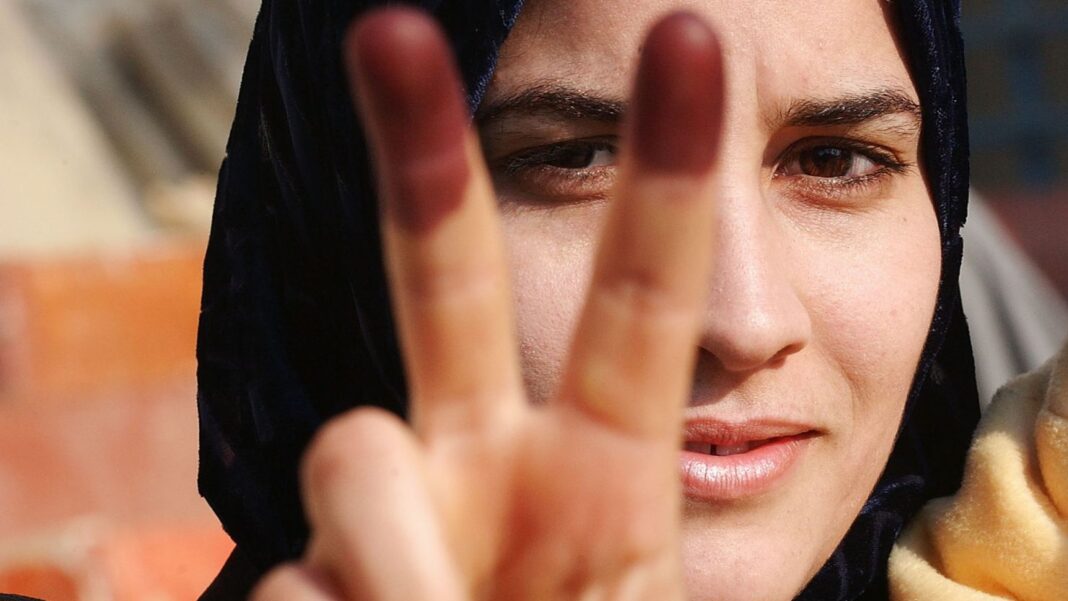
The number of women participating in parliamentary elections has increased, marking an important step for democracy. However, women face serious challenges, particularly when entering politics, through the harassment of female candidates, which undermines their legitimacy and chances of success in politics. Online harassment of female candidates takes many forms. These include sexist remarks, intimidation, rape threats, misinformation, and hate speech. Any online content that belittles women contributes to a hostile environment.
Research by inter-parliamentary unions shows that four out of five female parliamentarians experience verbal abuse or online violence. Social media has become a new front for political harassment, demanding stronger safeguards to ensure women can campaign safely. Furthermore, studies report a significant rise in hate speech across Iraq, where more than 50% of the population is active on social media. Platforms meant for dialogue are increasingly used to harass women, with the goal of silencing them and discouraging political participation.
The impact of this on female candidates goes beyond the individual. It threatens staff, families, and public confidence, creating a climate of fear among women at all levels. Threats appear both before elections, aiming to influence results, and after elections, targeting policy enforcement. This daunting challenge highlights a systemic issue that drives women out of politics and erodes democratic participation, even as women’s participation is already limited.
One striking example that occurred in the Kurdistan Region in recent years was the case of Dr. Heshu Rebwar Ali, who was running for the Kurdistan Democratic Party and faced severe online harassment. Moreover, a private video showing her celebrating with her husband was leaked without consent and misused to attack her character and achievements. Dr. Ali and her husband filed a complaint in court. Consequently, the incident highlights how easily private moments can become tools for online harassment of female candidates.
Solutions to online harassment of female candidates require multiple strategies, and measures must be implemented to reduce and eventually eliminate all forms of harassment, especially online harassment targeting female politicians and activists. First, public awareness campaigns should educate all users about respectful online behavior. Second, citizens must urge parliament to take action against harassment, where parliament should enact stronger laws, ensure strict enforcement, and establish mechanisms to protect victims and hold perpetrators accountable.
Third, social media platforms need stronger and consistently enforced policies through promptly removing abusive content, suspending repeat offenders, and improving reporting mechanisms to ensure swift action against harassment. At the same time, bystanders and spectators should not remain silent — they should actively report abusive behavior, offer support to victims, and help create a culture of accountability and zero tolerance toward online abuse. Finally, female candidates should receive training on handling harassment and have access to psychological support and professional resources to continue their political work safely.
Online harassment of female candidates is a serious human rights violation. In fact, the United Nations estimates that 95% of online harassment targets women. Therefore, to protect democracy, the federal and regional authorities must implement strong policies and support networks, taking measures that ensure women’s safe and full participation in political life away from intimidation and harassment.
By Aska Ihsan Adil