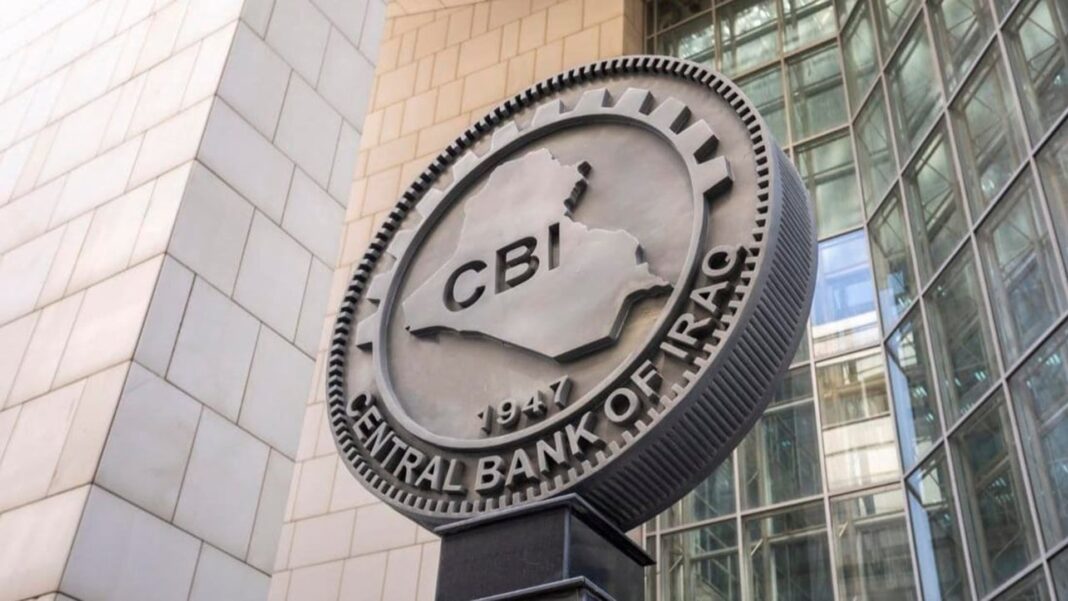
Iraq reports decline in domestic debt as well as public spending, reflecting recent fiscal adjustments and reduced government expenditures. According to the Central Bank of Iraq (CBI), public spending in May 2025 totaled 9.35 trillion Iraqi dinars ($7.13 billion). This marked a 1.48 percent drop from April’s 9.49 trillion Iraqi dinars ($7.24 billion).
Moreover, public spending also fell compared to May 2024, when it reached 10.68 trillion Iraqi dinars ($8.15 billion). The figures highlight a steady reduction in monthly expenditure over the past year.
CBI data also revealed that Iraq’s domestic debt in May stood at 85.50 trillion Iraqi dinars ($65.26 billion). This reflected a 0.05 percent decline from April’s 85.54 trillion Iraqi dinars ($65.29 billion). However, the figure represented an 8.56 percent increase compared to May 2024, when domestic debt was 78.18 trillion Iraqi dinars ($59.65 billion).
Financial advisor to the Prime Minister, Mazhar Salih, previously stated that Iraq’s foreign debts remain under $10 billion. These debts, originating from Paris Club settlements before 1990, are scheduled for repayment by 2028.
In 2004, the Paris Club reached an agreement to cut Iraq’s $120 billion debt by 80 percent over three years. Salih also confirmed that Iraq has fully repaid all International Monetary Fund (IMF) loans acquired since 2003, totaling nearly $8 billion.
Between 2003 and 2021, Iraq entered several IMF financing programs. These included emergency loans and long-term assistance designed to support macroeconomic stability and fiscal reforms.
In 2016, the IMF approved a $5.34 billion program to aid Iraq’s economic reform agenda. Within five years, Iraq repaid the loan after receiving two-thirds of the funds.
In 2021, Iraq sought a $6 billion emergency loan from the IMF. However, the request was rejected because it was not tied to any IMF initiatives at the time.
Ultimately, Iraq reports decline in domestic debt due to improved fiscal management, strategic debt repayment, and cautious borrowing. These measures aim to strengthen financial stability and reduce economic vulnerabilities linked to oil market fluctuations.