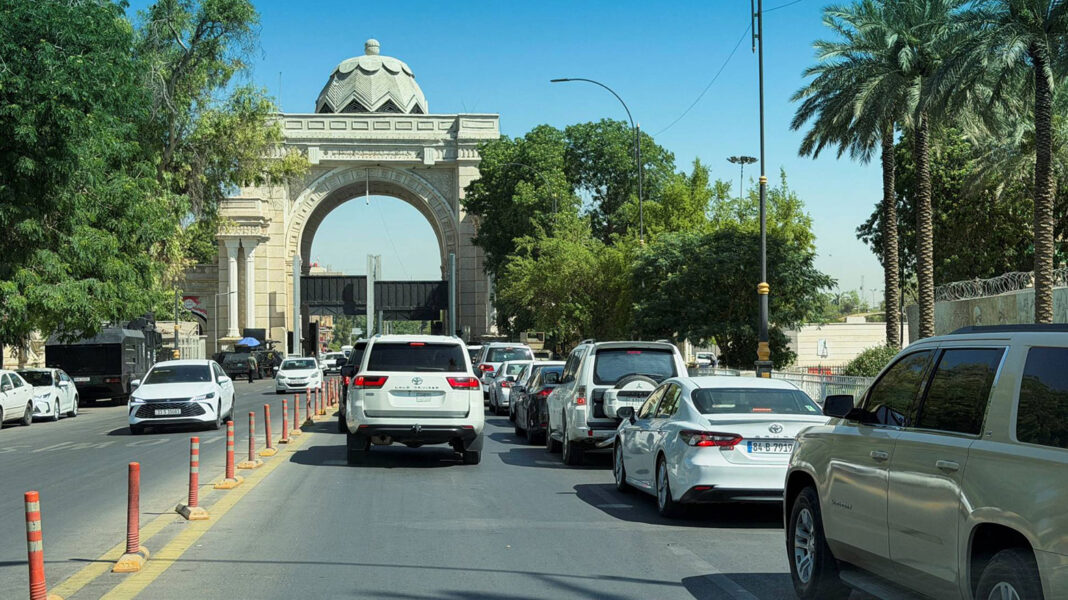
Iraqi authorities have expanded inspections of government vehicles traveling between provinces. The move forms part of a wider campaign against corruption and the misuse of public funds. Security officials said specialized teams now check official vehicles on major highways across Iraq.
The inspections focus on routes that connect central, northern, and southern provinces. Authorities want to stop the movement of cash, documents, and materials that may support corruption cases.
Moreover, the checks show a stronger security approach to financial investigations. Officials aim to prevent suspects from hiding evidence or transferring assets.
The Iraq corruption crackdown has increased pressure on political figures, businesspeople, and public officials. Investigators have focused on networks that may have handled stolen state money.
Prime Minister Ali al-Zaidi directed the campaign as part of a broader anti-corruption effort. The operation targets people suspected of abusing public office or helping others misuse public funds.
Security teams have also increased their presence near key roads and government corridors. As a result, official vehicles now face closer inspection during interprovincial travel.
Furthermore, the campaign sends a message to government departments across the country. Authorities want public institutions to follow stricter rules when moving records, funds, and official materials.
The operation also targets possible attempts to move evidence before investigators arrive. Therefore, vehicle checks could play an important role in future arrests.
Officials said the campaign has already led to many arrests in its early stages. The detainees include political officials, lawmakers, business figures, and members of suspected corruption networks.
However, investigators continue to expand their search beyond the first group of suspects. They plan to review more names as they follow financial trails.
The Iraq corruption crackdown also places more attention on recovering public money. The government wants to trace funds that people allegedly moved through illegal channels.
In addition, officials want to identify the people who helped move those funds. This includes employees, intermediaries, and private figures who may have supported corrupt activity.
Iraq has struggled for years with corruption inside public institutions. These problems have damaged services, delayed projects, and weakened trust in government.
Therefore, the new campaign could become a major test for the government. Citizens want real results, not only announcements and temporary arrests.
The vehicle inspections also show how investigators now focus on movement and logistics. Corruption cases often involve more than bank records or office files.
Documents, devices, and cash can move quickly between cities. Consequently, road inspections may help investigators protect important evidence.
Still, the campaign will face major challenges. Powerful networks may try to use influence, delays, or political pressure to weaken the process.
Nevertheless, the government appears determined to continue the operation. Officials say the next stages will target more figures and wider financial networks.
For now, the Iraq corruption crackdown has placed official vehicles under close watch. The inspections suggest that authorities want to block escape routes for money, documents, and evidence.