The Iraq floating gas terminals project gained momentum after recent talks between Baghdad and U.S. officials. Moreover, Iraqi leaders aim to strengthen energy security and support electricity production during periods of high demand.
Government spokesman Haider al-Aboudi announced the plans on Wednesday. Furthermore, the discussions followed U.S. presidential envoy Tom Barrack’s recent visit to Baghdad.
According to Aboudi, officials discussed the project while expanding economic and security cooperation. In addition, Prime Minister Ali al-Zaidi is expected to visit the White House next month.
Officials also focused on increasing American investment in Iraq. Consequently, they explored ways to simplify the entry of U.S. companies into energy projects.
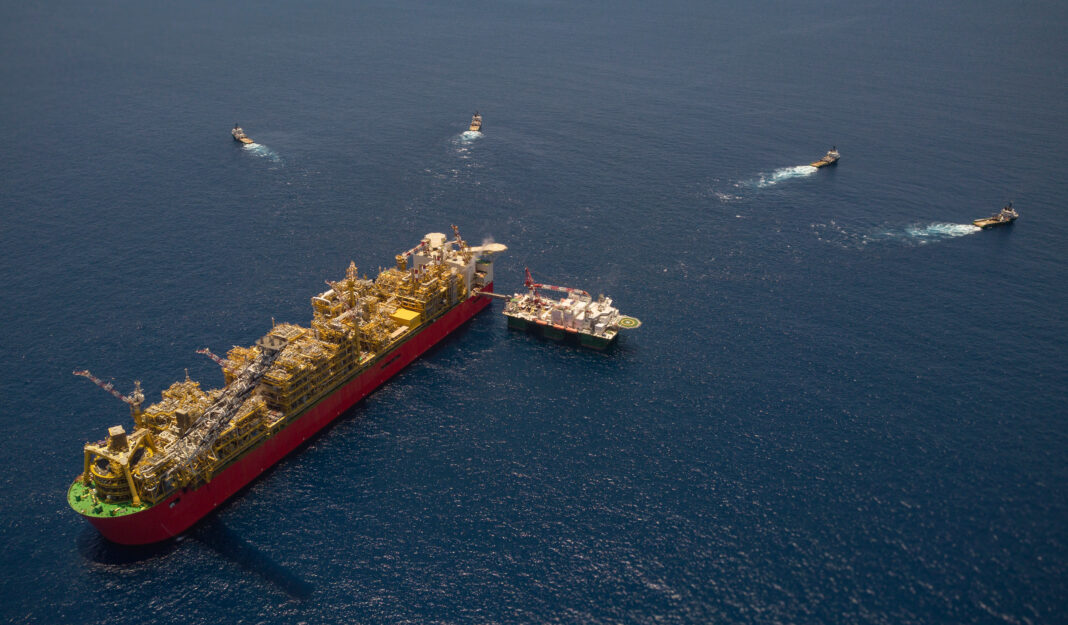
Aboudi said specialized American firms could establish floating liquefied gas facilities in Khor al-Zubair. As a result, Iraq could import liquefied gas and supply national power stations.
Officials hope the facilities will help meet electricity demand during the summer months. Therefore, the project could reduce pressure on the country’s energy sector.
The discussions came after earlier Iraqi-U.S. meetings in Baghdad. Those talks focused on economic cooperation and electricity development. Additionally, officials reviewed plans involving Excelerate Energy and its proposed import terminal in Khor al-Zubair.
Meanwhile, Aboudi linked economic development to domestic stability. He stressed that the government wants to place all weapons under state authority.
According to Aboudi, Iraq made that decision independently. Earlier this month, the Coordination Framework supported the initiative. It also authorized Prime Minister Zaidi to oversee its implementation.
Authorities later formed a committee to manage the process. Representatives from the Defense Ministry joined the panel. Officials from the Interior Ministry also took part. In addition, the Joint Operations Command and the Popular Mobilization Forces joined the effort.
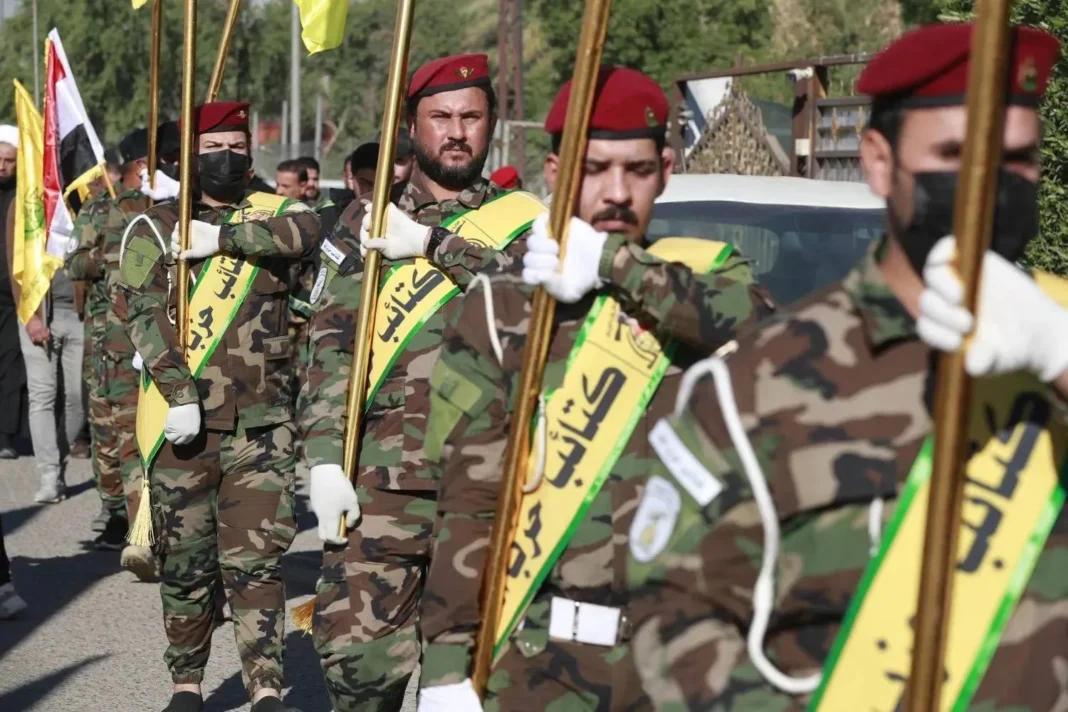
Several armed factions expressed support for the plan. Asaib Ahl al-Haq endorsed the initiative. Saraya al-Salam also backed the move. Likewise, the Imam Ali Battalions supported the process.
However, some groups rejected disarmament efforts. Kataib Hezbollah opposed the proposal. Harakat al-Nujaba also rejected the plan. In addition, Kataib Sayyid al-Shuhada voiced its opposition.
Aboudi said Iraq is approaching the end of the international coalition mission. He added that the process could conclude by September.
Furthermore, he said Iraq entered a new phase after the campaign against the Islamic State. He believes comprehensive development will follow the withdrawal.
For years, Iraq has relied heavily on Iranian gas supplies. However, limited domestic production created challenges. Consequently, Iraq remained vulnerable to supply disruptions.
The situation became more urgent after Washington ended a sanctions waiver. Previously, the measure allowed Iraq to continue importing Iranian energy. Therefore, officials accelerated efforts to find alternative sources.
The Iraq floating gas terminals project represents a key part of that strategy. Moreover, Iraqi leaders hope the facilities will strengthen energy independence and improve electricity generation.
As officials continue negotiations, the Iraq floating gas terminals initiative could play a major role in the country’s future energy plans.