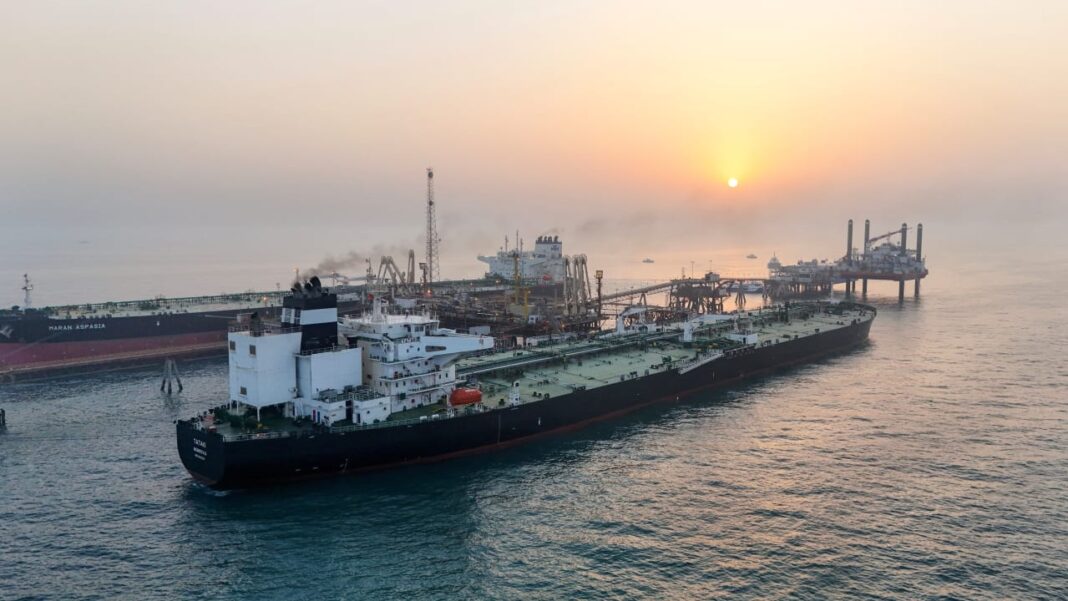
Iraq oil exports recorded the Gulf region’s strongest shipment increase during the latest reporting period. The country helped lift combined crude flows from major regional producers. Moreover, Saudi Arabia and Iran also contributed to the overall increase. The gains came despite worsening security conditions near the Strait of Hormuz.
Gulf producers increased their combined exports by roughly 16 percent from the previous reporting period. One shipping tracker estimated total flows at nearly 12 million barrels daily. Meanwhile, another tracker placed the figure at 13.06 million barrels daily. Different tracking methods often create small differences between shipping estimates.
The figures covered exports from Iraq, Saudi Arabia, Iran, Kuwait, and the United Arab Emirates. Together, these countries supply a significant share of the global crude market. Therefore, changes in their shipments can influence oil prices worldwide. Traders closely monitor every movement across the region’s shipping lanes.
Iraq delivered the largest shipment increase among the Gulf exporters during the period. Consequently, the country became a leading force behind the regional recovery. Higher Iraqi flows also helped offset weaker activity across other export routes. Furthermore, the increase strengthened Iraq’s position within the regional energy market.
Iraq relies heavily on crude exports to fund public salaries and government programs. Therefore, stronger shipments can improve state revenue during periods of stable prices. Additional oil income can also support infrastructure and public services. However, market prices will determine the final financial benefit.
The overall increase came during a period of serious military tension. Fighting between the United States and Iran has disrupted regional shipping activity. Moreover, security concerns have reduced tanker movements through the Strait of Hormuz. These conditions have increased uncertainty across global energy markets.
The Strait of Hormuz serves as a vital route for international oil shipments. Tankers carry crude from Gulf producers through the narrow waterway. Consequently, any serious disruption can affect fuel supplies and transportation costs. It can also push energy traders toward safer supply routes.
Despite the latest improvement, regional exports remain far below their earlier levels. Gulf producers previously shipped approximately 17.6 million barrels daily before the conflict. Current shipments remain about 32 percent below that level. Therefore, the regional recovery still faces major security and logistical challenges.
Tanker traffic through the strait has also fallen sharply. Only three oil tankers crossed the waterway during one particularly weak day. That figure marked one of the lowest daily totals during the crisis. Furthermore, the decline increased fears about future disruptions to global crude flows.
Shipping companies now face higher risks when entering the region. Insurers may increase charges for tankers operating near military activity. Additionally, companies could delay journeys or choose different routes. Such decisions can raise delivery costs and reduce available oil supplies.
The latest Iraq’s oil exports provide some support for nervous energy markets. However, one strong reporting period cannot guarantee a lasting recovery. Future shipments will depend heavily on security conditions around the strait. They will also depend on available tankers and stable port operations.
Meanwhile, concerns extend beyond the Strait of Hormuz. Rising military activity could also threaten shipping routes connected with the Red Sea. Therefore, traders continue watching both waterways for possible disruptions. Problems across either route could create wider pressure on international commerce.
Oil prices may react quickly to further changes in tanker traffic. A major decline could raise fears about supply shortages. Conversely, stronger shipping activity could calm markets and reduce price pressure. Investors will therefore monitor daily export and vessel data closely.
Iraq could benefit financially if it maintains stronger shipment levels. Nevertheless, any prolonged regional conflict could threaten these gains. Higher shipping costs may also reduce profits from additional exports. Consequently, Baghdad has a strong interest in protecting stable maritime trade.
The latest figures show that Gulf producers can increase exports despite serious security risks. However, total shipments remain below their earlier levels. Iraq has taken the leading position in the latest regional increase. Still, the Hormuz crisis continues to threaten future growth.