Iraq has recovered funds and assets worth more than $1 billion through a nationwide crackdown on corruption, according to a government spokesperson, as authorities intensify efforts to target graft and financial misconduct.
The Iraq anti-corruption campaign has recovered an estimated 1.359 trillion Iraqi dinars in funds, assets, and real estate since its launch in late June.
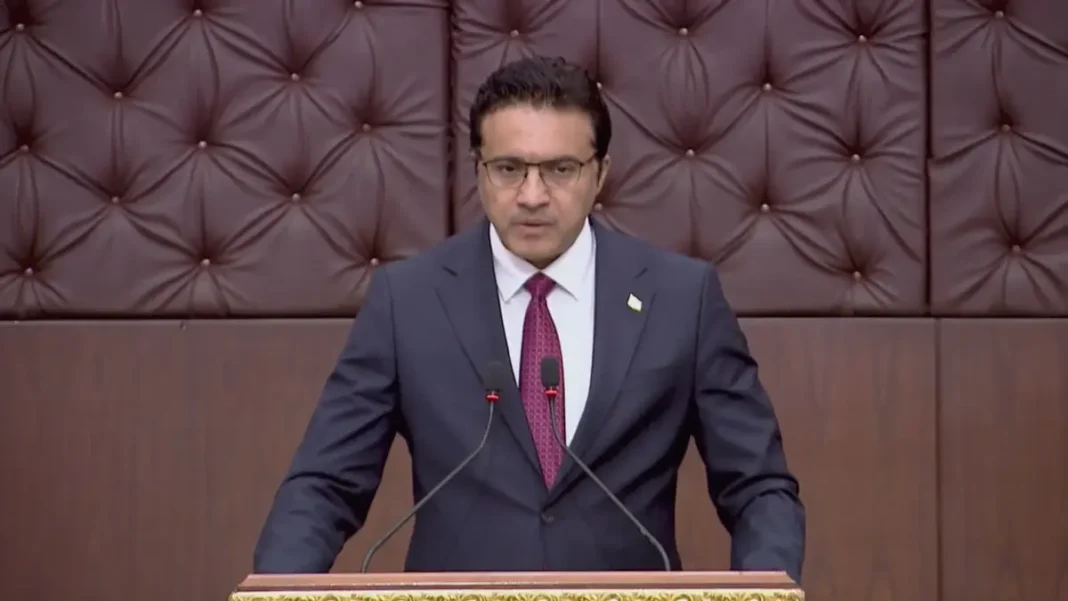
Government spokesperson Haider al-Aboudi said authorities had received more than 26,000 corruption reports. A significant number of those reports emerged during the nationwide operation known as Operation Dawn.
Prime Minister Ali al-Zaidi launched Operation Dawn on June 28 in coordination with the Federal Commission of Integrity. Since then, security forces and judicial authorities have carried out dozens of operations across Baghdad and other Iraqi provinces.
Authorities have arrested more than 200 government officials and employees during the campaign. Meanwhile, investigators have continued pursuing cases involving suspected financial and administrative corruption.
The government has also seized substantial amounts of cash and valuable assets. These include more than $20 million allegedly linked to former oil officials.
Furthermore, authorities recovered more than 400 kilograms of gold, over 200 properties, and dozens of luxury vehicles and watches.
The Iraq anti-corruption campaign also focuses on preventing future corruption rather than simply recovering stolen assets. Al-Aboudi said the government has introduced institutional reforms designed to close administrative and financial loopholes.
He stressed that corruption involves deeply connected networks operating across financial, administrative, and influential sectors. Therefore, the government plans to continue its crackdown without interruption.
The judiciary plays a central role in the campaign, while Prime Minister Zaidi directly oversees the wider effort, according to the spokesperson.
Additionally, authorities have begun reviewing government contracts and expanding digital public services. Officials hope that reducing direct interaction during administrative procedures will limit opportunities for bribery and corruption.
Iraq’s whistleblower legislation also encourages citizens to report corruption cases. Under the law, whistleblowers can receive rewards equivalent to five percent of recovered funds.
The major asset recovery effort comes as Iraq faces increasing pressure on its public finances. During the first half of 2026, the country recorded a budget deficit exceeding 21 trillion dinars.
Government spending reached approximately 57.18 trillion dinars during that period. Meanwhile, state revenues stood at around 35.14 trillion dinars.
Regional conflict has added further pressure to Iraq’s finances. Disruptions affecting shipping through the Strait of Hormuz significantly reduced the country’s oil exports.
At the height of the crisis, Iraq’s crude production reportedly fell sharply from more than four million barrels per day. Government officials warned that the disruption was costing the treasury hundreds of millions of dollars daily.
Against this backdrop, the Iraq anti-corruption campaign has become increasingly important for Baghdad’s efforts to protect public resources and improve financial stability.
Iraq continues to face serious corruption challenges. The country ranked 136th among 182 countries and territories in Transparency International’s 2025 Corruption Perceptions Index, receiving a score of 28 out of 100.
As Operation Dawn continues, Iraqi authorities face growing expectations to recover additional assets and ensure lasting reforms across government institutions.