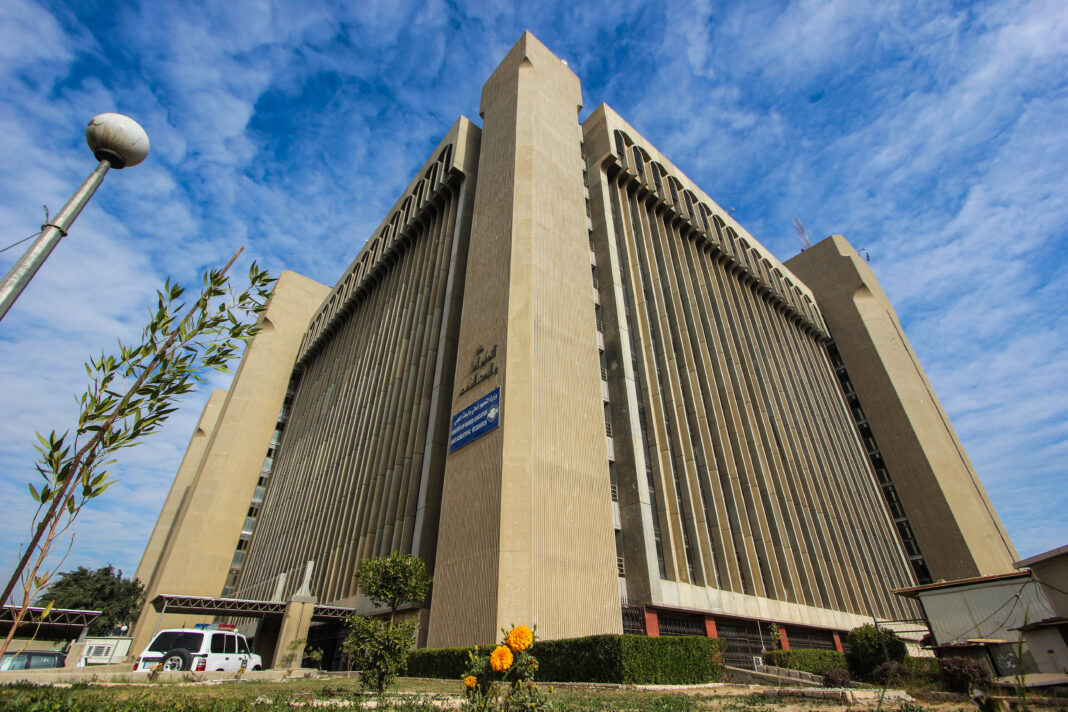
Private education crackdown in Iraq has intensified after the Ministry of Education closed 158 private educational institutions across Baghdad and several other governorates.
The ministry described the closures as the first stage of a wider campaign to strengthen oversight of private education. Most of the targeted institutions reportedly operated without official licenses.
Education Minister Abdul Karim Abtan ordered the campaign in coordination with the National Security Service. Authorities then carried out closure operations against institutions that violated licensing requirements.
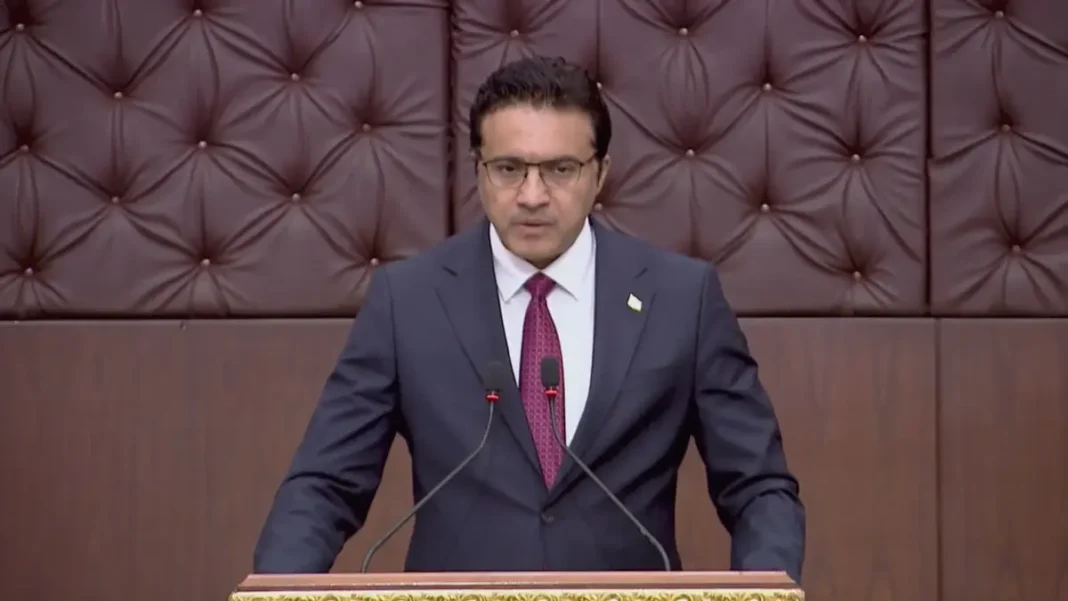
Ministry spokesperson Karim al-Sayyid said officials focused mainly on unlicensed institutes with previous violations. Several facilities had also received warnings and official directives before authorities took action.
According to al-Sayyid, some unlicensed institutions take advantage of students’ educational needs. However, they operate without approval from the Ministry of Education.
The ministry applies different procedures to licensed and unlicensed institutions. Licensed facilities can receive warnings when inspectors identify violations.
Officials then give those institutions time to address problems and comply with regulations. If they fail to make the necessary corrections, the ministry can take further measures.
Meanwhile, security agencies handle institutions that operate without official licenses. This approach allows authorities to distinguish between regulatory violations and completely unauthorized operations.
The latest closures form part of a broader private education crackdown in Iraq. The ministry wants to ensure that private educational institutions follow national regulations and maintain appropriate standards.
Authorities currently supervise licensed private education providers through annual license renewals. They also conduct periodic inspections to monitor compliance.
Furthermore, the ministry plans to expand its review beyond the institutions already closed. Additional inspections could therefore lead to further action across Baghdad and other governorates.
Private educational institutions play an important role in Iraq’s education sector. Many students rely on private institutes for additional courses, academic support, and specialized training.
However, authorities say unlicensed operations can expose students to risks. Such facilities may operate without meeting the ministry’s required administrative or educational standards.
Therefore, officials argue that stronger oversight can help protect students and improve accountability across the private education sector.
At the same time, the ministry’s approach gives licensed institutions an opportunity to correct violations. Officials say warnings and corrective periods remain part of the process for registered facilities.
The campaign could consequently expand as inspectors continue reviewing private institutions. Authorities are expected to examine licensing status and compliance with ministry requirements.
The closure of 158 institutions marks a significant first step in the government’s effort to tighten regulation.
As inspections continue, the private education crackdown in Iraq could bring additional closures or corrective measures against institutions that fail to meet official requirements.
For now, the Ministry of Education has signaled that stronger supervision will continue as part of its wider effort to regulate private education and safeguard students.