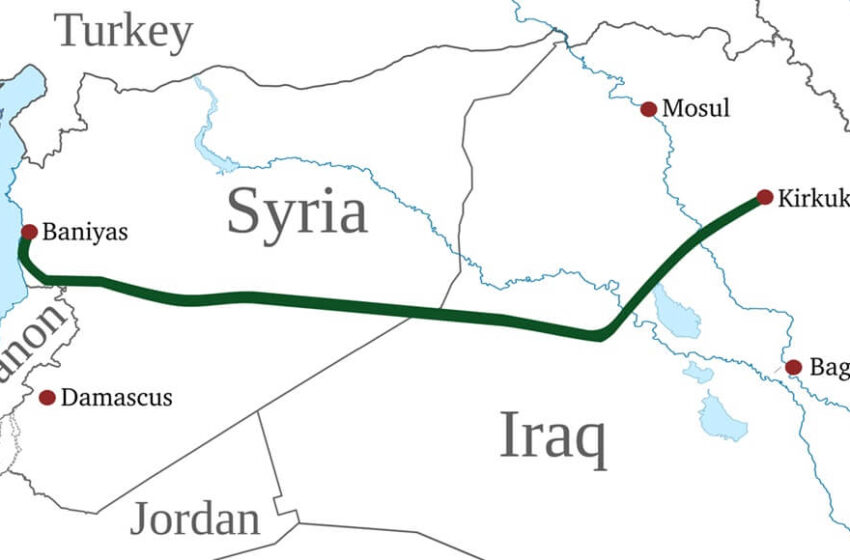
Iraq plans to revive the Kirkuk-Baniyas pipeline and create a major oil export route through Syria. Officials expect construction and restoration work to take four years. Moreover, project costs could reach at least $15 billion. The route would connect Iraqi oil fields with Syria’s Mediterranean port of Baniyas.
The project aims to reduce Iraq’s dependence on the Strait of Hormuz. Regional conflict has closed the vital waterway and disrupted global energy shipments. Consequently, Baghdad seeks alternative routes to protect exports during maritime crises. Mediterranean access could also connect Iraqi crude directly with European markets.
A partnership that includes U.S. energy company Chevron supports the project. International companies could provide financing, engineering knowledge, and advanced equipment. Furthermore, foreign participation could increase confidence in the route’s commercial potential. Strong partnerships may also help both governments manage the project’s high costs.
Iraq wants the line to carry one million barrels of crude each day. That capacity could provide a major alternative to southern export terminals. Therefore, the route could protect government revenue during future Gulf disruptions. Oil income funds most public spending across Iraq.
International estimates show that Hormuz previously handled one-fifth of global oil and gas supplies. However, the closure forced producers and traders to seek alternative transportation options. Underground pipelines now offer greater protection from maritime disruptions. As a result, land routes have gained new strategic importance.
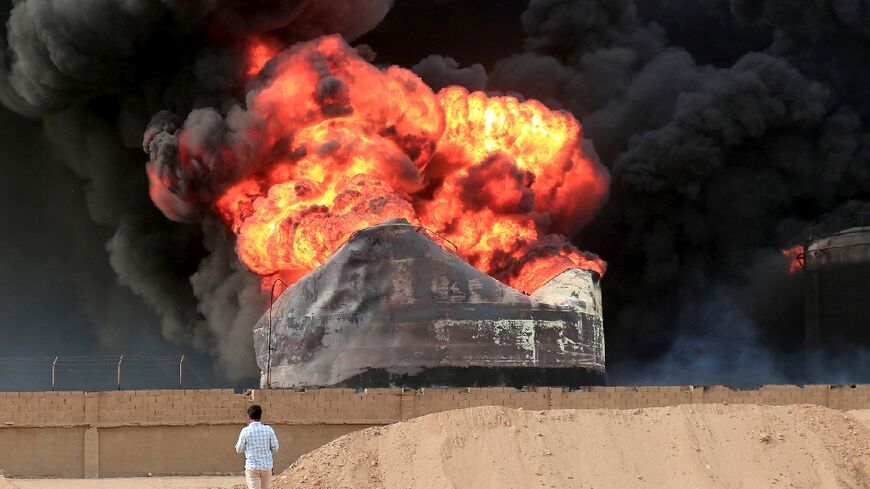
The existing line stretches approximately 800 kilometers between Kirkuk and Baniyas. Iraq and Syria operated the route during earlier periods of regional energy cooperation. However, conflict and instability caused extensive damage across major sections. Many pumping stations now require complete reconstruction.
Syrian energy officials said most pumping facilities suffered severe damage. Engineers must repair or replace pipes, tanks, pumps, electrical systems, and civil structures. Additionally, technical teams must inspect the entire route before construction advances. Detailed assessments will help planners estimate costs and schedules more accurately.
The project could combine restoration work with new pipeline construction. Renovating usable sections may reduce some costs and shorten development periods. Meanwhile, a new line could increase capacity and improve long-term reliability. This combined approach could strengthen the project’s economic value.
Baghdad and Damascus have already started advancing technical and political discussions. Both governments need agreements covering ownership, transit fees, security, and maintenance. Moreover, officials must establish clear rules for cross-border operations. Stable agreements could help attract additional international investors.
Security will play a central role throughout the project. The pipeline crosses areas that have experienced conflict and infrastructure damage. Therefore, Iraq and Syria must protect workers, pumping stations, and control systems. Reliable security could prevent disruptions and reduce risks for investors.
The project could also strengthen economic relations between Iraq and Syria. Syria may gain transit revenue, employment, and investment through the route. Meanwhile, Iraq could secure another outlet for its most important export. Both countries could therefore gain from stable energy cooperation.
European access offers another important advantage for Iraqi oil. Tankers could collect crude from Baniyas and move it across the Mediterranean. Consequently, Iraq could reach customers without sending every shipment through Hormuz. A wider export network could make national revenue more resilient.
However, the project faces significant financial and technical challenges. The $15 billion cost will require strong financing and long-term political support. Furthermore, damaged infrastructure could create unexpected expenses during construction. Regional instability may also affect investor decisions and project schedules.
The Kirkuk-Baniyas pipeline could transform Iraq’s oil export strategy. It could provide one million barrels of daily capacity and direct Mediterranean access. Moreover, the route could reduce Iraq’s exposure to maritime closures and regional conflict. Successful completion would strengthen export security and attract further energy investment.