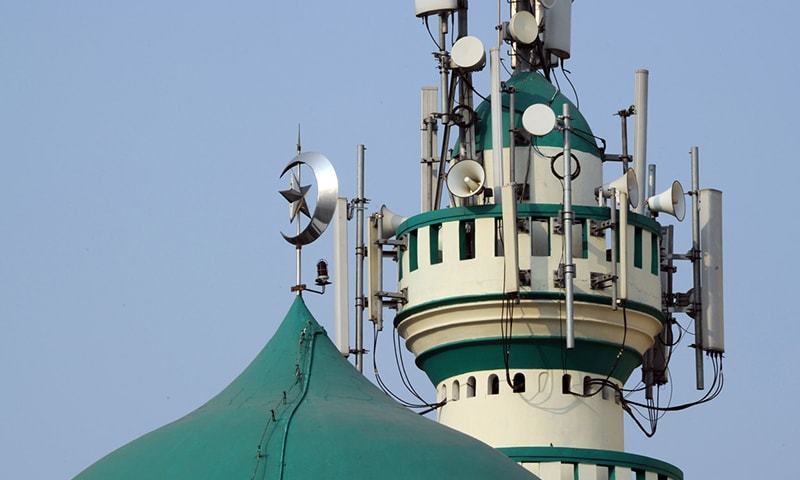
Duhok mosque loudspeaker regulations have triggered debate across the province, with residents and worshippers expressing differing views. While some welcomed the move, others voiced concerns about its impact on the Islamic call to prayer.
However, the Duhok Directorate of Endowments denied claims that the measure targets the adhan. Instead, officials said the decision focuses only on regulating sound levels inside and outside mosques.
Abdul Razzaq Kofli, deputy director-general of the Directorate, explained that the policy covers all six districts of Duhok province. Moreover, he said authorities introduced the measure after receiving requests from worshippers and residents living near mosques.
According to Kofli, Duhok province contains 1,106 mosques. Therefore, the directorate aims to improve their performance and organize the use of loudspeakers.
He stressed that officials do not intend to limit or reduce the Islamic call to prayer. Rather, they seek to address large differences in sound levels between mosques.
Some mosques use very low volumes. Meanwhile, others broadcast at much higher levels. Consequently, these differences create imbalance and affect audio quality.
In addition, the close proximity of some mosques causes overlapping calls to prayer and recitations. As a result, worshippers sometimes struggle to focus during prayers. Residents in certain neighborhoods also experience sound disturbances.
Because of these challenges, the directorate decided to standardize volume levels. Officials believe the changes will create a more balanced listening environment.
Nevertheless, the decision has generated mixed reactions. Critics argued that the measure could affect the adhan and alter long-standing traditions. Supporters, however, described the initiative as a practical solution to excessive noise.
Kofli said the directorate remains committed to implementing the policy. Furthermore, he noted that authorities have received messages of appreciation from many worshippers and residents.
According to those messages, the adjustments improved sound quality and reduced noise disturbances. Therefore, supporters believe the measure benefits both worshippers and nearby communities.
In recent years, authorities have increasingly focused on improving mosque services and facilities. Consequently, Duhok mosque loudspeaker regulations represent part of broader efforts to organize religious institutions and enhance worship conditions.
At the same time, officials continue to reject accusations that the policy seeks to restrict religious practices. Instead, they emphasize that Duhok mosque loudspeaker regulations aim to improve audio clarity while preserving the importance of the call to prayer.
As discussions continue, the issue highlights the challenge of balancing community concerns with religious traditions. For now, authorities plan to maintain the policy while monitoring public feedback across the province.