Baghdad is changing its economic strategy. The central government now views all entry points through the same lens. Officials claim this move ensures fairness across the country. However, regional trade dynamics are already shifting rapidly.
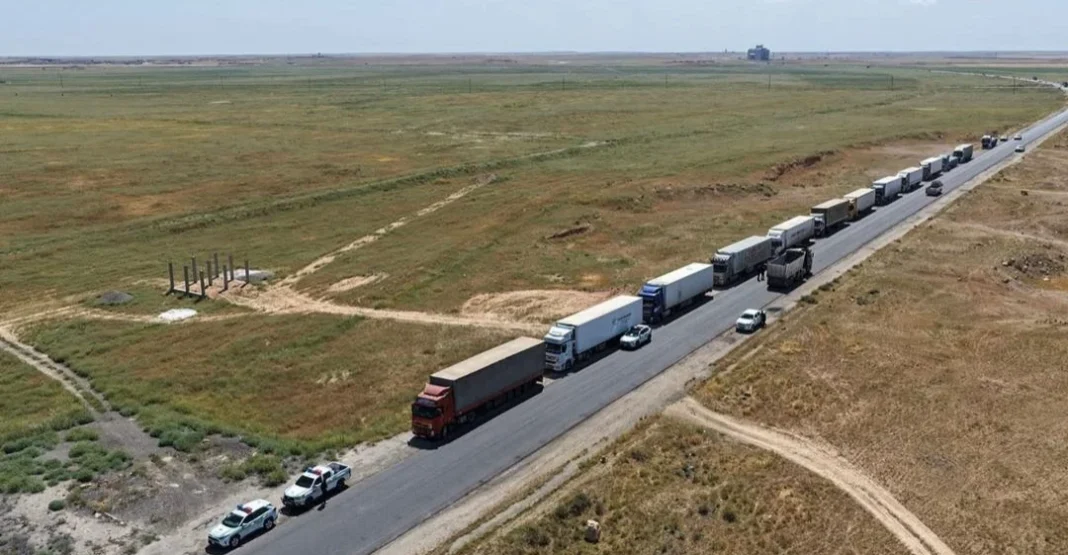
A cargo convoy recently traveled from Turkey to Nineveh province. These trucks took a unique route through Syria. The convoy crossed into Iraq at the Rabia checkpoint on Monday. This new development sparked intense speculation among local merchants. Many analysts fear this route could weaken the Kurdistan Region. Traditionally, the northern area acts as the primary transit hub.
Iraqi trade routes face significant changes due to this specific event. The head of Iraq’s Border Crossings Authority addressed these concerns on Tuesday. He stated that Baghdad deals with all checkpoints equally. Furthermore, he clarified that the government will not replace existing hubs. New openings simply meet the urgent needs of neighboring provinces.
The Syrian side of the Rabia crossing reopened earlier this year. It had closed in late 2024 after major political changes in Damascus. Now, regional trade is moving through this corridor once again.
Meanwhile, an Iraqi parliament member shared critical details on Monday. Specifically, she claimed that Turkey requested this alternative route. Turkey wants a larger share of trade movement through Rabia. Consequently, this change might paralyze the Ibrahim Khalil crossing. For context, that key northern crossing sits in Duhok province.
In response, economic experts warn about the negative financial impact on Erbil. Therefore, the Kurdistan Regional Government must act quickly. To resolve this, regional leaders need urgent talks with Baghdad. Above all, they must protect their remaining trade activity immediately. Additionally, both sides must agree on standardized customs procedures.
Fortunately, officials are already implementing the ASYCUDA electronic system. Indeed, this United Nations tool modernizes customs data globally. At present, it operates at twenty-two federal checkpoints. Ultimately, Iraqi trade routes require this technological upgrade for better efficiency.
Erbil recently requested an urgent economic session. They want to finalize the digital agreement soon. Finally, the central authority confirmed a breakthrough on Tuesday. Federal and regional customs teams reached a solid agreement. Technical committees are now installing the automated system together. Ultimately, Iraqi trade routes will operate under a unified national framework.