
A new global economic power shift is reshaping how wealth is distributed across nations. Moreover, a report from Visual Capitalist highlights major imbalances in global output. The study draws on IMF data from April 2026. It shows the global economy reaching $126 trillion this year.
The global economic power shift places the United States, China, Germany, and Japan at the top. Together, these four economies generate nearly half of global GDP. Additionally, the United States alone produces more than one-quarter of global output. Consequently, economic influence remains heavily concentrated in a small group of nations.
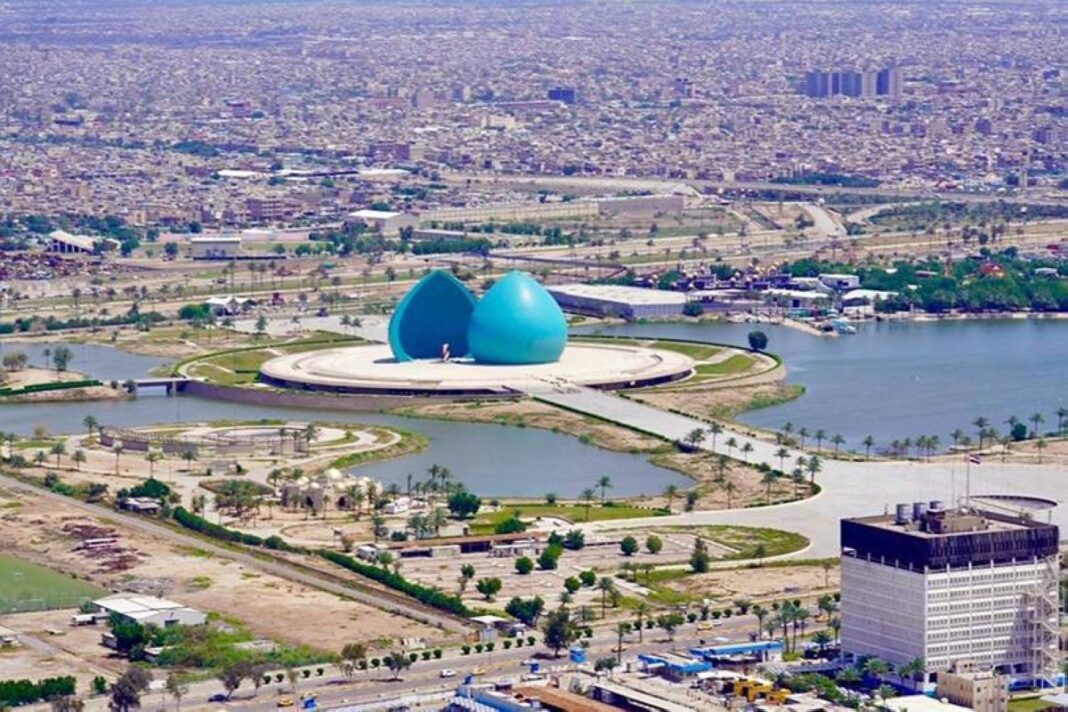
Furthermore, the report shows Iraq ranking 56th globally. Iraq records a projected nominal GDP of around $265 billion. This figure equals roughly 0.2% of global output. In addition, Iraq sits near economies like Kazakhstan and Portugal. However, Iraq still depends strongly on oil revenues. It also struggles to diversify its industrial base.
The global economic power shift continues as Asia expands its influence. India and Indonesia now play larger roles in global growth. India expects growth above 6% in 2026. Meanwhile, Indonesia also shows strong economic expansion. Therefore, these countries slowly reshape global production patterns.
On the other hand, Germany and Japan experience slower growth. Both economies remain below 1% expansion. As a result, advanced economies face stagnation pressures. At the same time, emerging markets gain momentum. This contrast increases the imbalance in global development.
Additionally, the IMF projects global growth at 3.1% this year. However, structural challenges still affect many resource-dependent countries. Iraq faces similar issues due to oil reliance. Consequently, experts call for diversification and stronger productivity reforms.
Finally, analysts argue that the global economic power shift will continue in the coming years. They also warn that inequality between major economies and developing nations may widen. Therefore, policymakers in emerging economies must strengthen long-term economic planning. Otherwise, global disparities will grow further.