The U.S.-Iraq relations entered a tense new phase after senior American officials demanded concrete action from Iraq’s next government against Iran-backed armed groups. Moreover, Washington signaled that financial shipments and security assistance could remain suspended without major policy changes in Baghdad.
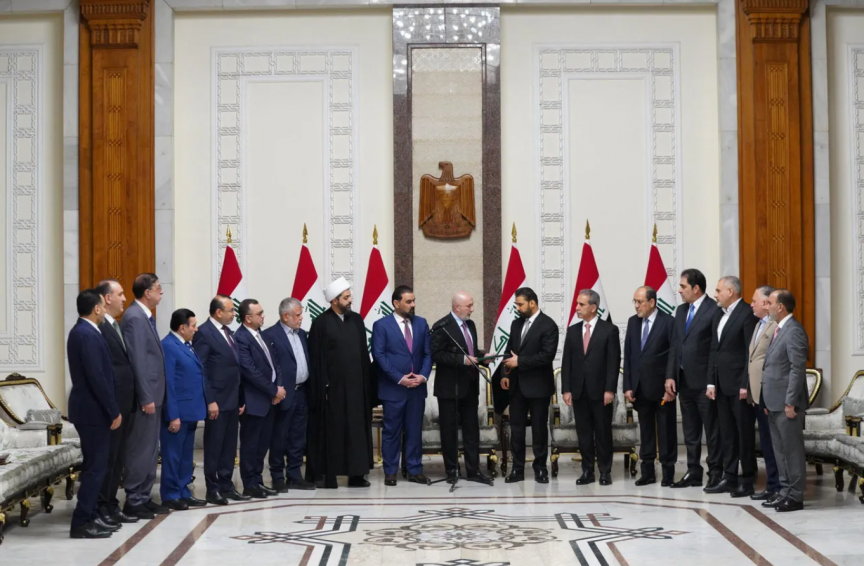
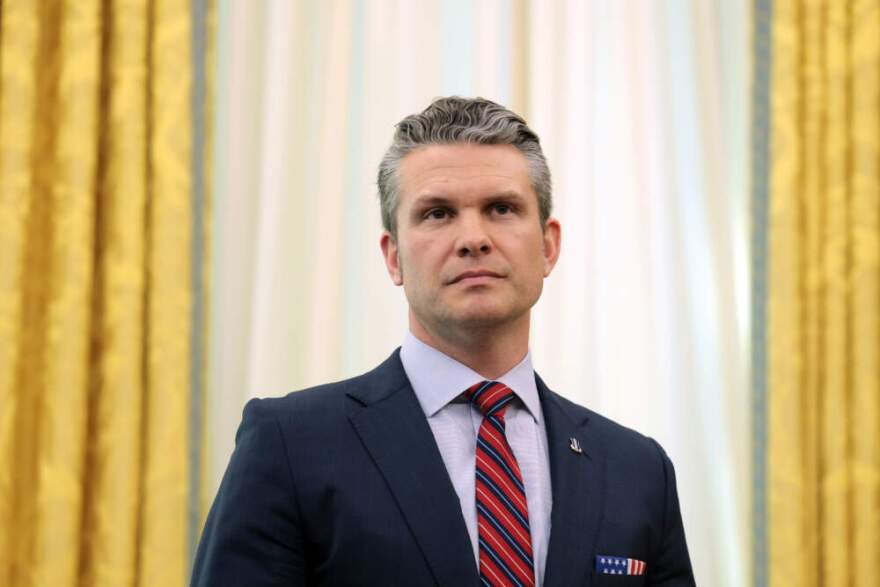
According to a senior U.S. State Department official, Washington expects Prime Minister-designate Ali al-Zaidi to address growing concerns over militia influence inside Iraqi state institutions. Furthermore, the official stressed that the United States seeks “action, not words” from Iraq’s leadership.
The remarks followed Zaidi’s recent nomination by Iraq’s ruling Coordination Framework. Soon afterward, U.S. President Donald Trump congratulated Zaidi during a phone call and expressed support for Iraq’s political transition.
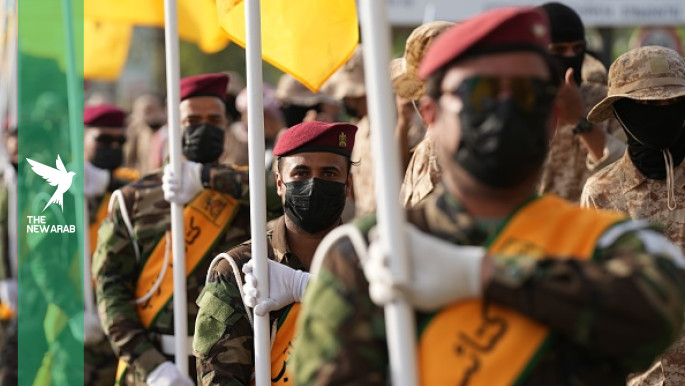
However, U.S. officials continue to warn about the relationship between Iraqi institutions and armed factions aligned with Iran. Consequently, Washington linked future support to major reforms inside Iraq’s security and political systems.
The State Department official said Iraq must remove armed groups from state institutions and stop public funding connected to militia fighters. In addition, the official called for clear policies separating the Iraqi state from armed organizations operating outside official control.
Meanwhile, the United States suspended physical dollar shipments to Iraq earlier this year. The move affected hundreds of millions of dollars tied to Iraqi oil revenues held through the Federal Reserve Bank of New York.
Washington also paused parts of its security cooperation with Baghdad after repeated attacks targeted American facilities and regional allies. Those attacks included drone and rocket strikes against diplomatic sites, military facilities, and energy infrastructure.
According to U.S. officials, more than 600 attacks targeted American interests after late February. However, violence declined following a ceasefire agreement reached between the United States and Iran in April.
Despite the reduction in attacks, tensions remain high across the region. Furthermore, U.S. officials continue monitoring militia activity inside Iraq and the Kurdistan Region.
Political analysts believe U.S.-Iraq relations now depend heavily on the policies of the next Iraqi government. In addition, many observers expect Zaidi to face growing pressure from both Washington and Tehran.
The United States previously increased pressure on Iraq during discussions about a possible return of former Prime Minister Nouri al-Maliki. American officials opposed that possibility because of concerns regarding Iran’s influence in Iraq.
Attacks by armed groups have repeatedly targeted the U.S. embassy in Baghdad and other American-linked facilities. Consequently, Washington continues demanding stronger security measures from Iraqi authorities.
Still, Iraq remains caught between two major regional powers. Therefore, Iraqi leaders continue efforts to balance ties with both the United States and Iran during a fragile political transition.
As negotiations continue over cabinet formation, many regional observers now view the U.S.-Iraq relations as one of the most important factors shaping Iraq’s next government and broader regional role.