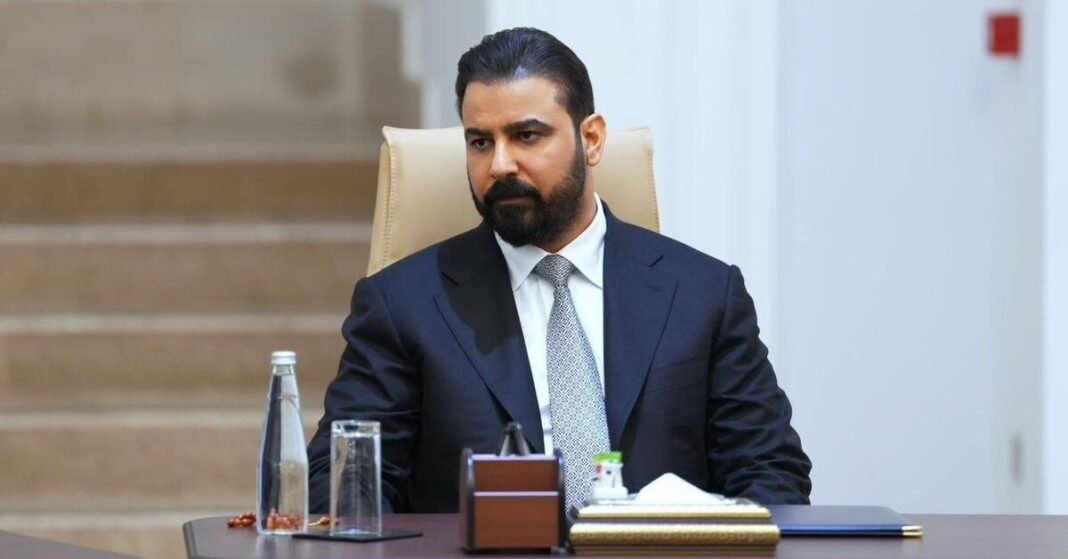
Iraq’s political transition enters a critical stage as Ali al-Zaidi begins efforts to form a new government following his nomination as prime minister-designate. Furthermore, the Coordination Framework quickly opened discussions on cabinet distribution. The Iraqi political transition now depends on how rival blocs negotiate power-sharing inside Baghdad.
Political factions within the Reconstruction and Development bloc moved early to secure their position in the upcoming cabinet. In addition, spokesperson Firas al-Musallamawi stated that his bloc holds the largest share of seats within the Coordination Framework. He added that this position should translate into significant ministerial influence.
Musallamawi explained that Shiite blocs expect to control around twelve ministries in total. Moreover, he said allocations will depend on parliamentary strength and political weight. He also noted that his bloc expects between four and five ministries, depending on portfolio importance.
He emphasized that negotiations aim to reflect both political balance and national interest. Furthermore, he said the bloc supported ending the political deadlock through al-Zaidi’s nomination. He also stressed that the decision aimed to stabilize Iraq’s political transition.
Musallamawi further stated that al-Zaidi represents the entire Coordination Framework. Therefore, he rejected claims that any single faction dominated the selection process. Additionally, he dismissed allegations of foreign influence in the nomination process.
He confirmed that the framework reviewed 45 candidates before reaching consensus. Moreover, he described al-Zaidi as a compromise figure supported across different political currents. He also highlighted the need to continue government achievements from the previous administration.
The Coordination Framework officially announced al-Zaidi’s nomination after internal discussions in Baghdad. Furthermore, the bloc praised the withdrawal of Nouri al-Maliki and Mohammed Shia al-Sudani from the race. Leaders described their withdrawal as a step that helped ease tensions.
A political source reported that al-Sudani left the meeting before a final group photo. However, his political bloc confirmed support for the nomination agreement. Additionally, officials said the outcome resulted from coordination between senior political leaders.
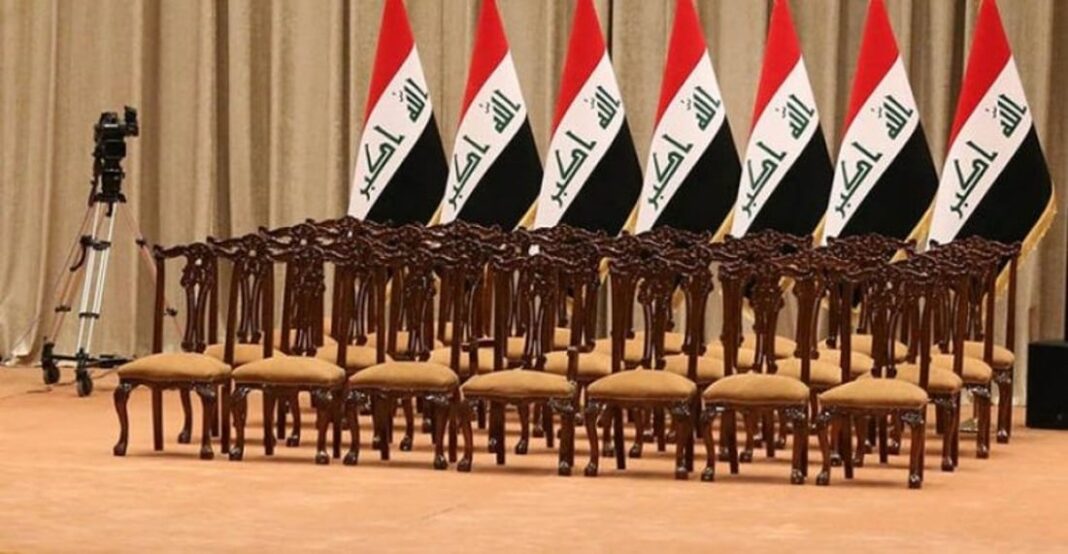
Iraq’s political transition now faces a strict constitutional timeline. Al-Zaidi has 30 days to form a cabinet and present a government program. Furthermore, he must win approval from the 329-member parliament.
However, earlier delays have already raised constitutional concerns. The Coordination Framework missed a previous deadline tied to presidential procedures. In addition, delays in electing the president earlier this year added further pressure.
Some legal experts argue that these delays reflect repeated procedural breaches. Nevertheless, political leaders continue negotiations to avoid further instability. Therefore, attention now shifts toward cabinet formation and parliamentary approval.
Iraq’s political transition remains uncertain as negotiations continue. Moreover, political blocs still compete over key ministries, including finance, oil, and security. Ultimately, the success of the new government will depend on whether factions reach a lasting agreement.