Iraq-U.S. faction truce emerged as a major development on Sunday after Iraq’s largest parliamentary bloc reached a conditional understanding. The Shiite Coordination Framework announced progress in reducing armed escalation. Moreover, the Iraq-U.S. faction truce now shapes regional security discussions.
An official confirmed that the Coordination Framework secured a preliminary agreement. The deal involves Iraqi armed groups and U.S. forces. Furthermore, both sides agreed to reduce hostile military activity. As a result, tensions may temporarily ease across Iraq and the region.
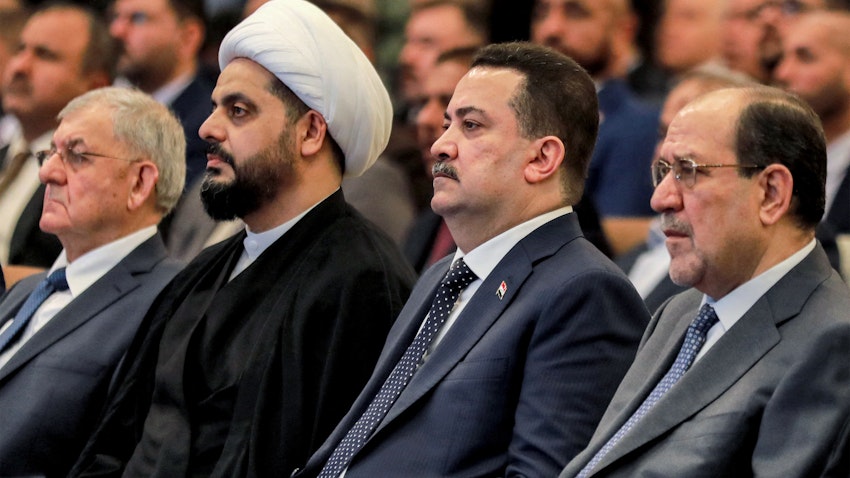
Amer al-Fayez explained that a committee previously formed by the Coordination Framework led the negotiations. The committee operates under the leadership of Hadi al-Amiri. In addition, it includes representatives from key allied factions. Therefore, the agreement reflects coordinated political efforts.
The understanding requires Iraqi armed factions to suspend operations against U.S. interests. At the same time, U.S. forces will halt strikes on locations linked to Iraqi armed groups. Moreover, both sides aim to avoid further escalation. Consequently, the agreement creates a fragile but important pause.
Officials also indicated that the truce may extend beyond the existing two-week arrangement involving Iran. This possibility introduces a longer-term de-escalation framework. Furthermore, discussions continue regarding a complete cessation of hostilities. Therefore, negotiations remain ongoing.
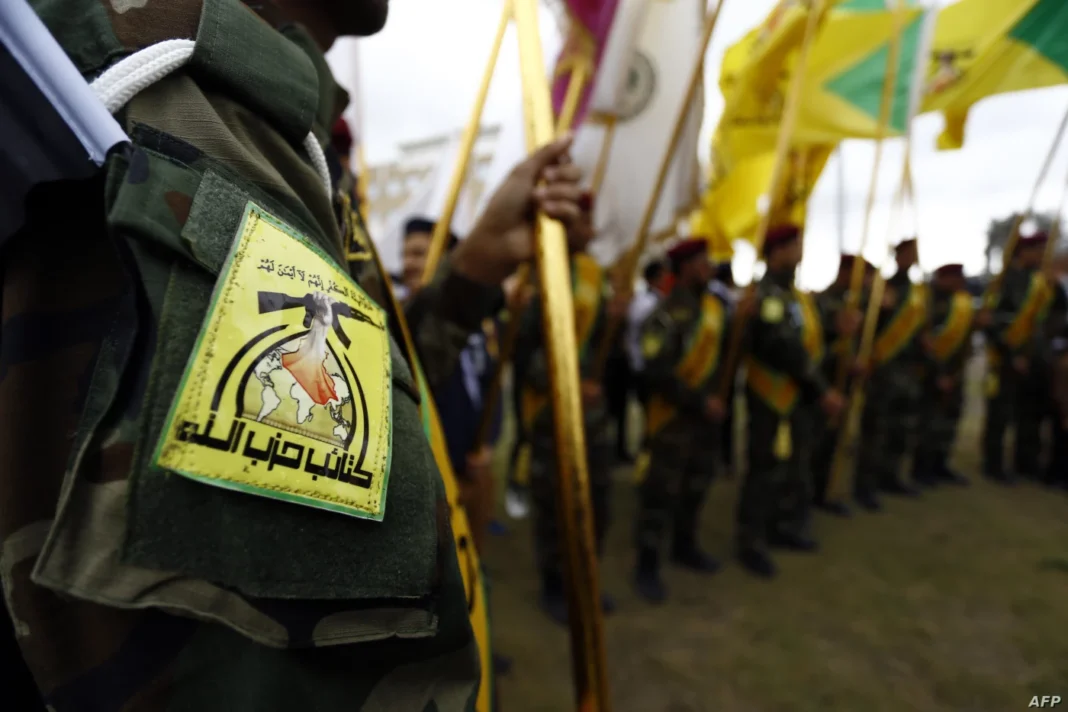
Since late February, several armed groups have conducted large-scale operations. Factions such as Kataib Hezbollah and Harakat al-Nujaba carried out hundreds of attacks. Moreover, these groups claimed responsibility for targeting U.S. military positions. As a result, regional tensions significantly increased.
These factions linked their operations to broader regional conflicts involving the United States. They described their actions as part of resistance against U.S. and Israeli policies. Meanwhile, U.S. forces responded with strikes on related infrastructure. Consequently, both sides engaged in repeated retaliation.
In addition, security analysts report nearly 450 attacks since February 28. These incidents affected multiple sites across Iraq and neighboring regions. Moreover, the scale of operations raised concerns about wider escalation. Therefore, international observers called for urgent de-escalation.
The Coordination Framework now seeks to stabilize the situation. Furthermore, leaders aim to prevent further military confrontation. However, trust between parties remains limited. As a result, implementation of the truce faces challenges.
Despite uncertainties, the agreement marks a notable shift. Iraq-U.S. faction truce could reduce immediate risks of escalation. Moreover, it may open space for broader diplomatic engagement. Ultimately, the outcome depends on sustained compliance from all sides.