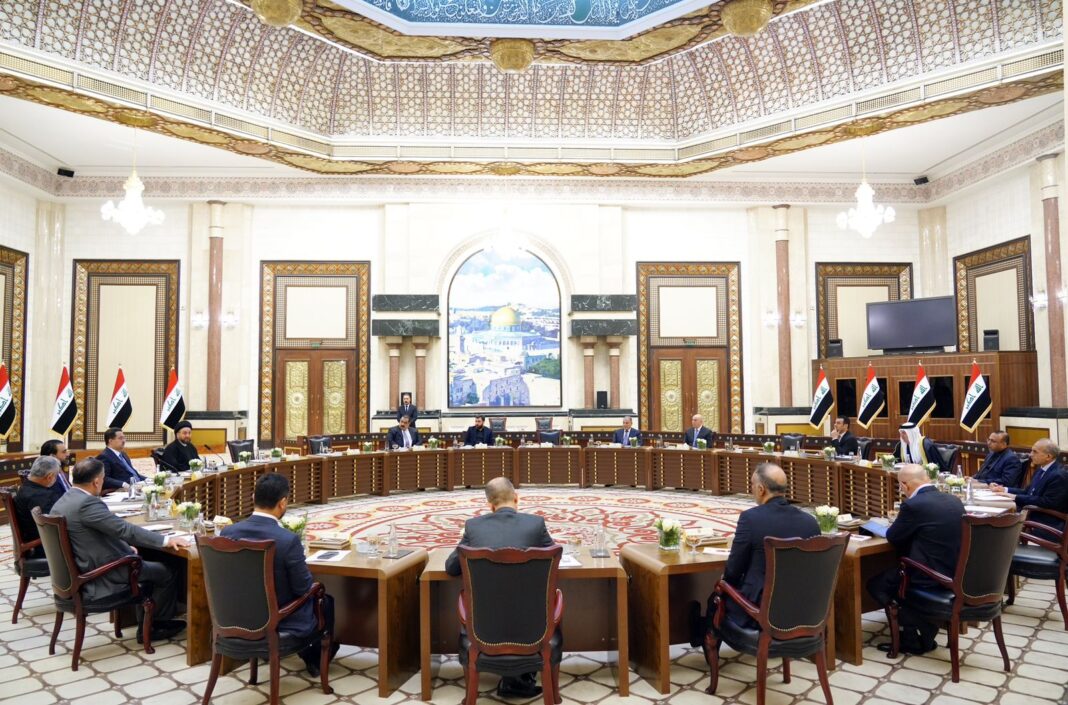
Iraq prime minister selection process moved into a critical stage on Sunday. Political leaders inside the Coordination Framework bloc prepared for decisive talks. Moreover, discussions intensified ahead of an expected meeting. In addition, parties worked to narrow down competing names for the top post.
Sources indicated that four main candidates currently remain under review. The Coordination Framework plans to meet on April 13. Furthermore, leaders aim to agree on a consensus nominee during the session. As a result, the selection process has entered a decisive phase.
Iraq’s prime minister selection discussions also highlighted internal divisions. Some factions pushed for experienced political figures. Meanwhile, others supported new names outside previous leadership roles. Moreover, disagreements slowed progress toward a unified decision. Consequently, negotiations continued behind closed doors.
Reports suggested that leaders may exclude previously serving prime ministers. This includes caretaker Prime Minister Mohammed Shia al-Sudani. It also includes former State of Law leader Nouri al-Maliki. Furthermore, some groups believe a new face could reduce political tension. Therefore, the bloc may shift toward compromise candidates.
In addition, political pressure increased after parliamentary intervention. The Speaker of Parliament requested the largest bloc to present a nominee. Moreover, he set a 15-day deadline for agreement. As a result, the Coordination Framework accelerated its internal talks. Consequently, urgency now shapes the decision-making process.
Iraq prime minister selection debates also included several alternative names. Basim al-Badri emerged as a possible consensus candidate. Meanwhile, Qais al-Khazali proposed Hamid al-Shatri as another option. Furthermore, additional figures could enter discussions if talks stall. Therefore, the shortlist may still expand.
Different political leaders also expressed varying positions. Ammar al-Hakim raised concerns about certain candidates. In contrast, some factions preferred maintaining a broader consensus. Moreover, Hadi al-Amiri has not issued a final stance yet. Consequently, alignment within the bloc remains incomplete.
Overall, Iraq’s political landscape continues to shift rapidly. Leaders aim to balance competing interests within the Coordination Framework. Furthermore, negotiations focus on unity and parliamentary strength. In addition, parties seek a candidate acceptable to most factions. Ultimately, Iraq’s prime minister selection remains unresolved but is actively progressing.