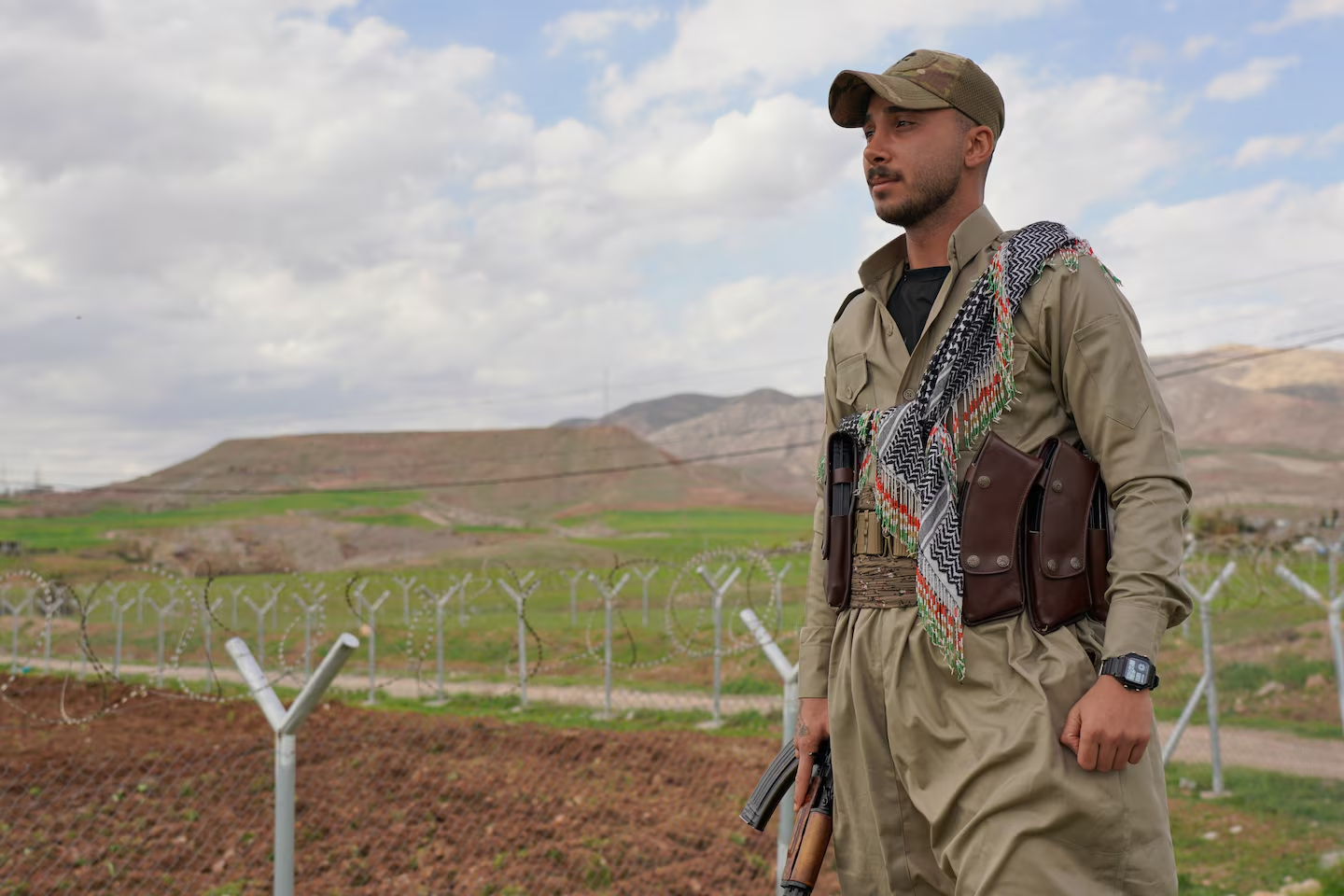
The Kurdish U.S. weapons allegation denial has gained attention after Iranian Kurdish opposition parties rejected claims made by Donald Trump. Moreover, the dispute centers on alleged U.S. arms transfers during Iran’s protests in January. Kurdish groups quickly dismissed the allegations as false.
In addition, Fox News reported Trump’s remarks during a phone call with journalist Trey Yingst. He claimed the United States sent weapons to Iranian protesters through Kurdish groups. The Kurdish U.S. weapons allegation denial quickly followed those comments. Kurdish parties strongly challenged the accuracy of those statements.
Furthermore, the Democratic Party of Iranian Kurdistan responded directly to the claim. The group said it never received any weapons from Washington. It also stressed that the information lacked any factual basis. Meanwhile, other Kurdish factions echoed similar rejections.
At the same time, the Kurdistan Free Life Party denied any contact with U.S. officials. The Komala Party of Iranian Kurdistan also rejected involvement. One Komala source questioned which group Trump referred to in his remarks. The source said the claims lacked clarity and evidence.
Moreover, another Komala faction added further clarification. It stated that it never received weapons or ammunition from any foreign power. The group said it only obtained arms through long-standing conflict or black-market sources. The Kurdish U.S. weapons allegation denial continued across multiple statements from different parties.
Additionally, the Kurdistan Freedom Party and the Communist Party of Iran rejected the allegations. Both groups said they had no involvement in any such transfers. They also emphasized their independent political positions.
In parallel, KDPI representative Hejar Berenji issued a public statement on social media. He said no Kurdish group received weapons from any government. He also urged accuracy when reporting such claims.
Furthermore, Komala of the Toilers of Kurdistan reinforced the same position. A senior member denied any military support from the United States. He also explained that their weapons came from earlier conflicts or informal markets.
Meanwhile, Kurdish groups previously faced accusations of cross-border military activity. Reports in March suggested incursions into Iran, but all groups denied involvement. The Kurdish U.S. weapons allegation denial, therefore, extends beyond recent political statements.
In addition, tensions remain high in border regions. Iranian forces have targeted Kurdish opposition bases in the Kurdistan Region. These strikes followed the escalation of the regional conflict involving the U.S. and Israel.
Finally, analysts note that misinformation claims can intensify political pressure. They also warn that conflicting narratives deepen regional mistrust. However, Kurdish parties continue to reject all allegations of U.S. arms transfers.