
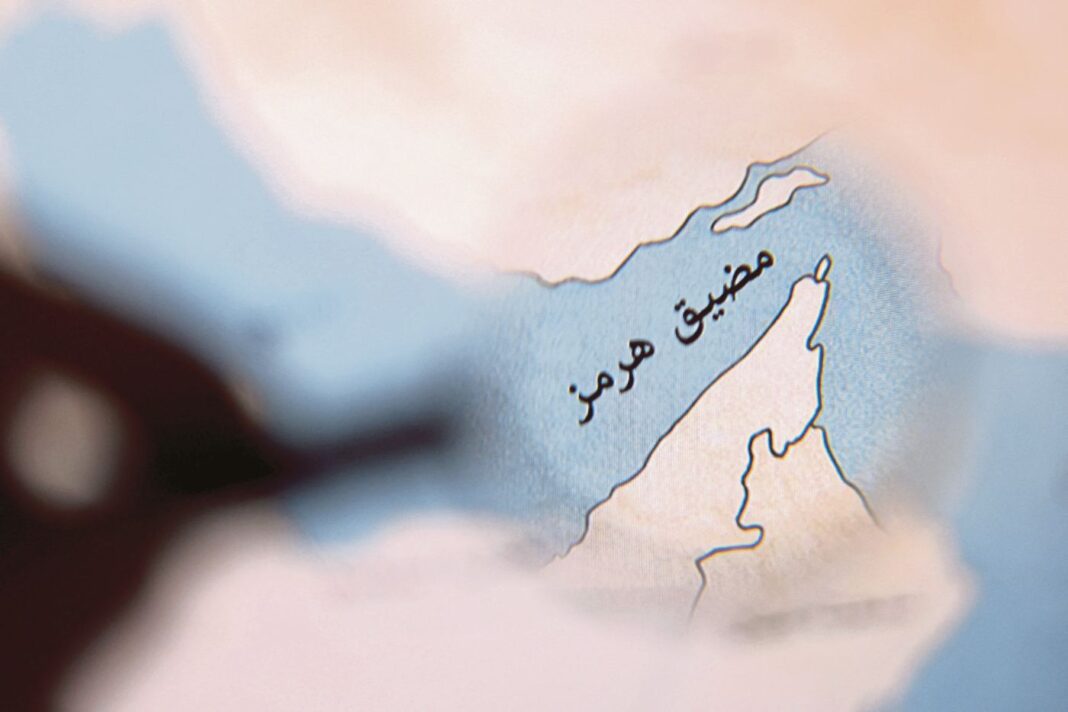
Iran has announced a major policy shift regarding maritime access. The Strait of Hormuz exemption for Iraq now allows Iraqi ships free passage. This decision marks a notable change in regional energy dynamics. Moreover, Tehran linked the move to selective restrictions on other countries.
Officials from Khatam al-Anbiya Central Headquarters confirmed the exemption. They stated that controls will target only “enemy countries.” The statement also emphasized respect for Iraq’s sovereignty. Additionally, it praised Iraq’s political stance and historical struggles.
The Strait of Hormuz exemption for Iraq comes during rising regional tension. Meanwhile, Washington increased pressure on Tehran over the strategic waterway. Former U.S. President Donald Trump demanded a deal or threatened consequences. He warned of severe escalation within a short timeframe.
However, Iranian officials rejected the warning. They described the threat as unstable and unfounded. Furthermore, they dismissed any external control over the strait. This response added further strain to already fragile negotiations.
Maritime data shows partial recovery in shipping activity. Last week recorded 53 transits through the strait. This increase followed a previous week of 36 transits. Still, overall traffic remains far below normal levels.
Shipping analysts report a drop of more than 90 percent from pre-war conditions. Tehran introduced a de facto toll system during the conflict period. As a result, global energy flows continue to face disruption.
The Strait of Hormuz exemption for Iraq also carries major economic implications. Iraq depends heavily on oil exports for national revenue. However, export disruptions have already reduced output significantly.
Iraq’s oil production dropped to 1.2 million barrels per day. Previously, output reached 4.3 million barrels per day. Officials link this decline to export bottlenecks and regional instability. Moreover, Iraq once ranked among the top global producers.
Energy markets reacted quickly to the ongoing crisis. Brent crude prices stayed above 109 dollars per barrel. Analysts warn that prices may rise further. They expect more volatility if shipping routes remain unstable.
In addition, global governments introduced energy-saving measures. They aim to reduce pressure from rising fuel costs. Meanwhile, shipping companies continue to adjust routes and schedules.
The Strait of Hormuz exemption for Iraq may ease pressure on Baghdad. However, uncertainty still dominates regional trade routes. Many experts believe long-term stability remains unclear. Therefore, markets continue to watch developments closely.