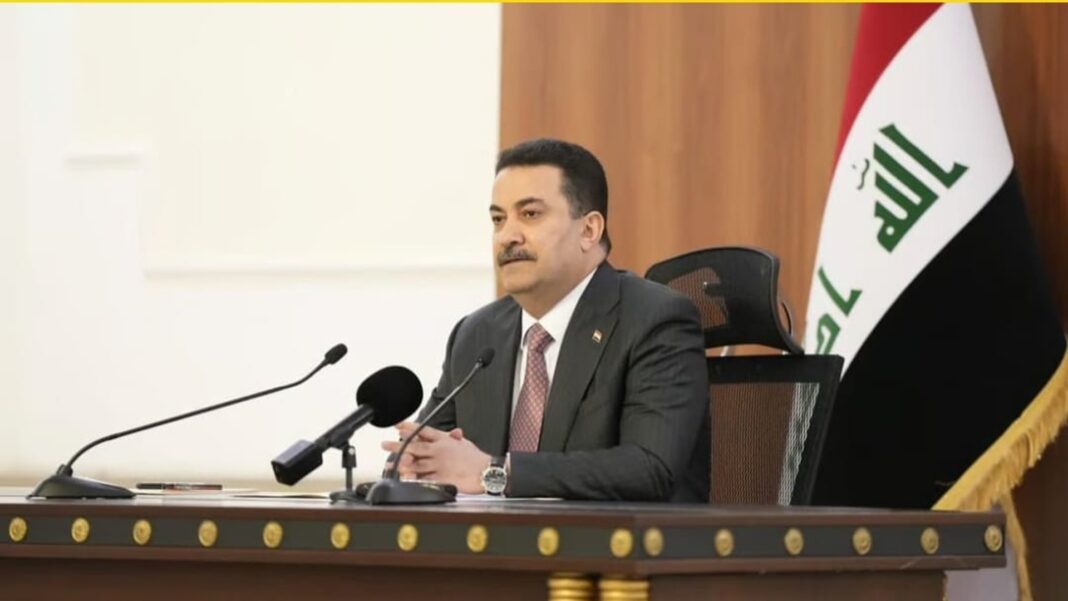
Prime Minister Mohammed Shia al-Sudani chaired a high-level meeting on Sunday to review Iraq’s air defense plans. Moreover, he assessed the readiness and training levels of units protecting Iraqi airspace.
Sudani boosts Iraq Air Defense, he said, by prioritizing modernization efforts and improving operational efficiency. The meeting included the Army Chief of Staff, Defense Ministry officials, and commanders from the Military Industrialization Authority. Furthermore, the Prime Minister emphasized that air defense upgrades remain a key part of Iraq’s national security strategy.
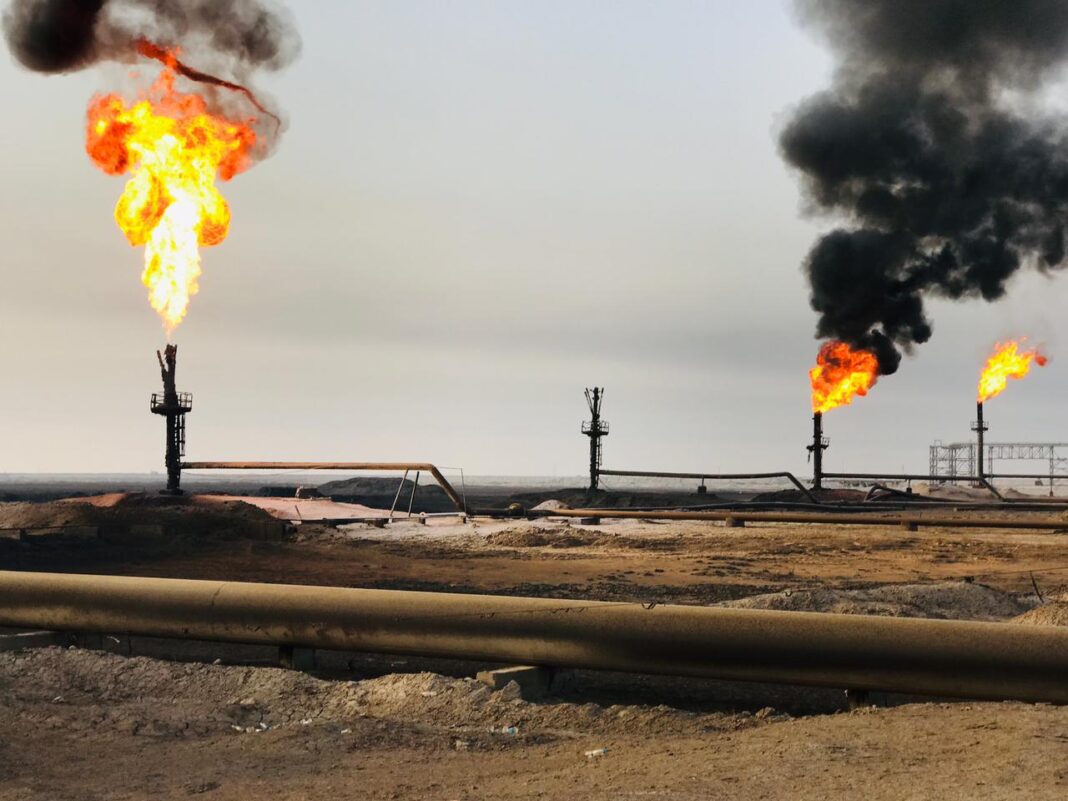
The review comes as drone incidents have surged since late February. These strikes have targeted military sites and energy infrastructure across several governorates. In several cases, air defenses successfully intercepted drones. However, some drones fell near oil facilities without detonating, causing alarm. On Saturday, four drones struck storage facilities at the Bazarkan oil field in Maysan. Earlier in the week, attacks caused fires at the North Rumaila field and the Al-Majal Company site in Basra.
Sudani boosts Iraq Air Defense by directing new procurement efforts. In September 2024, Iraq signed a contract to acquire the South Korean Cheongung-II air defense system. Officials describe this system as modern and highly advanced. Entry into service is expected in 2026, marking a significant upgrade to Iraq’s air defense capabilities.
The Prime Minister stressed the importance of continuous training and coordination between military units. Moreover, he highlighted the need for operational readiness to respond quickly to future threats. He noted that strengthening air defenses will protect both strategic military sites and civilian energy infrastructure.
Additionally, Iraq’s air defense strategy includes technical upgrades, international cooperation, and local industrial support. By combining these measures, the government aims to ensure long-term protection of Iraqi airspace. Furthermore, Sudani instructed military leaders to conduct regular drills to maintain high readiness levels.
In conclusion, Sudani boosts Iraq Air Defense by focusing on modernization, preparedness, and strategic acquisitions. These efforts aim to safeguard Iraq’s security, energy resources, and national interests. As drone threats continue, the government plans to reinforce air defenses and protect critical infrastructure across the country.